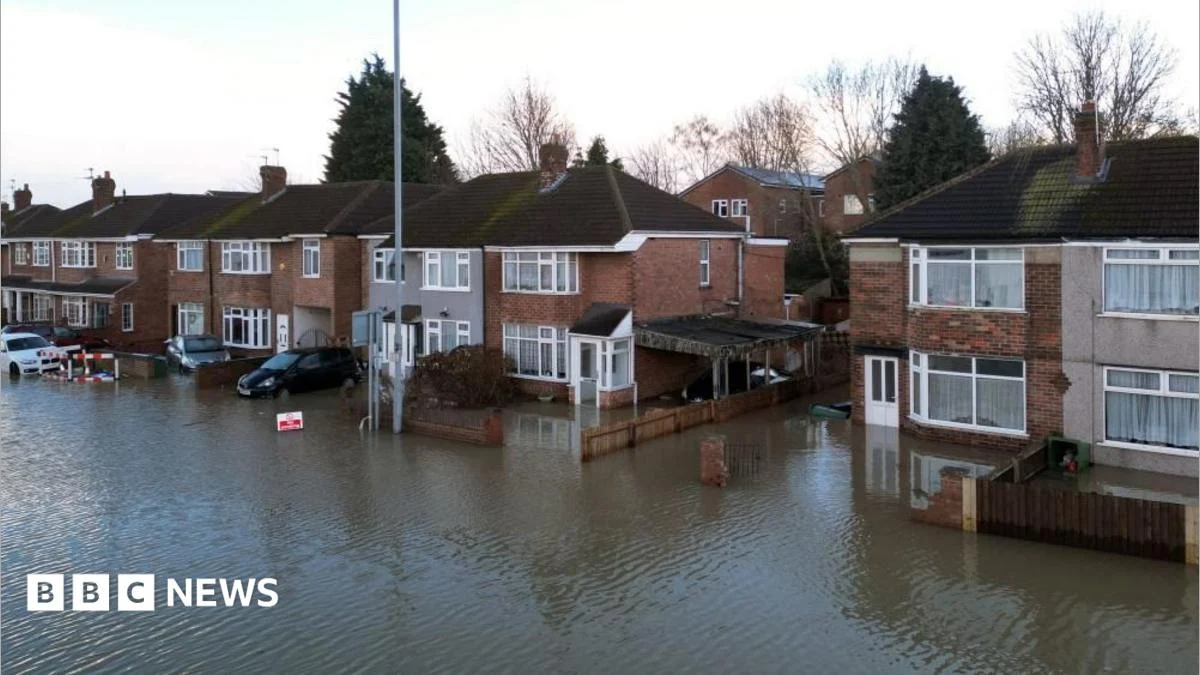
MORE HOMES IN ENGLAND MAY SOON BE UNINSURABLE due to growing flood risk, according to warnings from Aviva. The insurer’s analysis points to new housing developments being built in areas increasingly vulnerable to flooding.
Aviva boss Amanda Blanc said England was “for sure” building homes that might be uninsurable at some point in the future. The warning highlights the financial and practical challenges facing homeowners, insurers, and developers as climate-related risks reshape the property market.
KEY FACTS
- Aviva warns more homes may become uninsurable
- Flood risk is the main concern cited
- England is building homes at risk, per Aviva leader
- Amanda Blanc said uninsurable homes are “for sure”
- Warning focuses on future homebuyers and insurers
What Does Uninsurable Mean for Homeowners?
A home becomes uninsurable when insurers believe the cost or likelihood of claims — such as flood damage — outweighs the premium a homeowner can pay. In such cases, property owners may struggle to secure mortgages or resell their homes.
For buyers, this means higher upfront costs or difficulty obtaining coverage. For insurers, it raises questions about pricing models and long-term risk exposure in flood-prone regions.
In the UK, standard home insurance policies often exclude certain flood zones unless premiums are increased. Some homeowners already pay more or face exclusions during renewal periods.
Who Is Affected by These Warnings?
First-time buyers and families purchasing homes in newly developed areas will face the greatest impact. Builders marketing properties in high-risk zones may see demand drop if insurers raise premiums or refuse coverage.
Lenders rely heavily on insurance requirements before approving mortgages. If homes are uninsurable, loan approvals stall, affecting both buyers and developers.
Pension funds and investment firms also watch these trends closely because insurers adjust their portfolios based on risk levels. A surge in uninsurable properties could ripple through financial institutions nationwide.
How Did We Get Here?
The UK government continues approving new housing projects despite rising climate concerns. Many developments occur near rivers, wetlands, or coastal areas historically considered low-risk but now facing increased flooding due to extreme weather patterns.
Insurers like Aviva use predictive models to assess future liabilities. When they detect clusters of high-risk homes under construction, public statements follow to alert policymakers and consumers alike.
Past warnings led to discussions around planning reforms, drainage improvements, and updated building standards. However, implementation remains uneven across local councils and regions.
WHAT WE KNOW — AND WHAT WE DON’T
Verified by the source:
- Aviva issued a formal warning about future home uninsurability
- Flood risk was identified as the primary cause
- Amanda Blanc is the person who made the statement
Still unconfirmed:
- No specific number of homes expected to be uninsurable
- No timeline provided for when homes will become uninsurable
Why This Matters to Everyone
As climate-driven flooding increases across the UK, the value and safety of homes depend more than ever on insurer confidence. Buyers, lenders, and taxpayers all share stakes in whether new construction avoids high-risk zones or burdens public services during disasters.
What to Watch Next
Government response to Aviva’s warning remains unclear. Future policy shifts could reshape where and how tens of thousands of new homes get built.