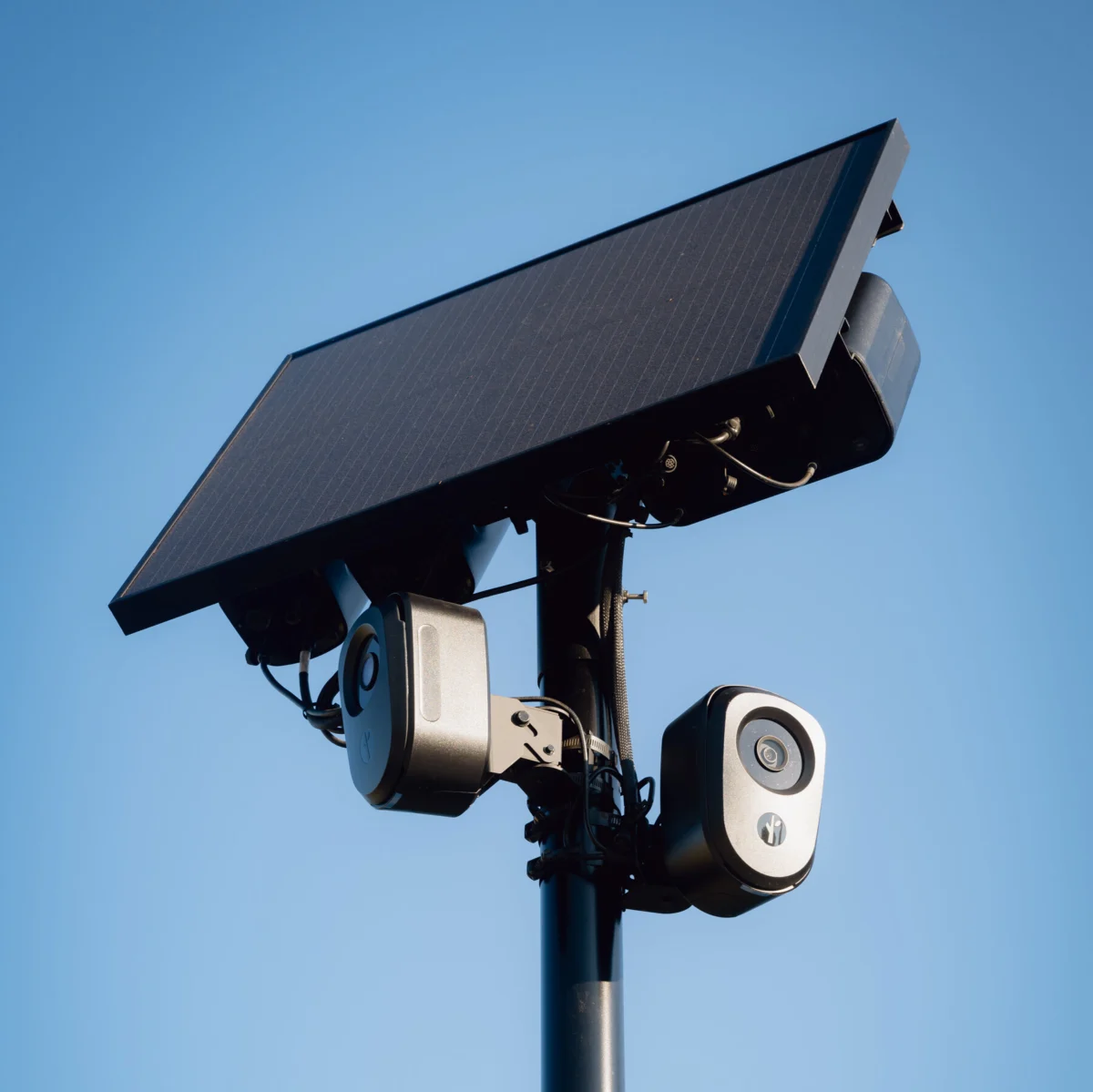
Flock Safety cameras, which automatically track and log license plates to aid police investigations, are facing growing backlash from citizens across the political spectrum over privacy concerns. While law enforcement praises the technology for solving crimes, residents voice unease about pervasive surveillance of their movements.
According to NYT > Top Stories, opposition to the license plate readers has created rare alignment between liberals and conservatives in Texas, who share concerns about government overreach and data collection without consent. The systems scan thousands of vehicles per day, storing data that can reveal patterns of life.
KEY FACTS
- Flock Safety cameras automatically track vehicle license plates across communities
- Police departments utilize the systems extensively for criminal investigations
- Citizens across the political spectrum oppose the surveillance technology
- Texas shows bipartisan resistance to the camera networks
- Privacy concerns center on mass data collection without consent
Why are Flock cameras controversial?
The systems differ from traditional surveillance by creating searchable databases of vehicle movements rather than just live monitoring. Civil liberties groups argue this constitutes mass surveillance of innocent people, as most captured data involves law-abiding citizens going about daily routines. The automation and scale enable tracking that would be impractical manually, raising constitutional questions under the Fourth Amendment.
Who uses the technology?
Over 2,000 communities nationwide have adopted Flock Systems, according to the company’s website. Law enforcement agencies praise the cameras for solving crimes from theft to violent offenses, noting they often provide crucial leads when voluntary cameras aren’t available. However, some police departments have implemented usage policies limiting retention periods and access protocols in response to public concerns.
WHAT WE KNOW — AND WHAT WE DON’T
Verified by the source:
- Flock cameras are deployed nationwide to track vehicle movements
- Police departments value them as investigative tools
- Citizens across political ideologies oppose the surveillance
- Texas shows rare bipartisan objection to the technology
Still unconfirmed:
- Exact number of cameras currently operational
- Specific data retention policies across jurisdictions
- Evidence of the technology preventing crimes versus solving them
- Legal challenges working through court systems
WHY IT MATTERS
The debate touches fundamental questions about privacy versus security in public spaces, with implications for how surveillance technologies evolve in American communities. As automated systems become more sophisticated and widespread, they test traditional boundaries of reasonable suspicion and probable cause.
WHAT TO WATCH
Local governments nationwide will likely face continued pressure to regulate or restrict automated license plate readers as public awareness grows. Legal challenges may eventually reach higher courts to clarify constitutional boundaries.