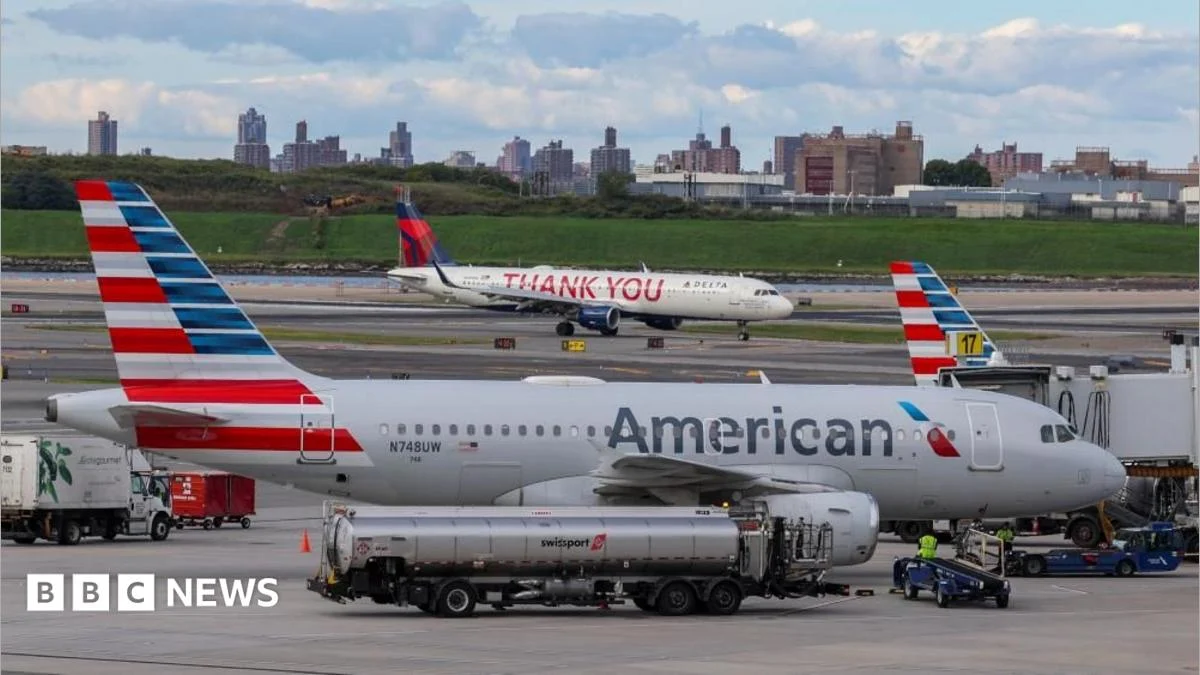
Flights at major US airports experienced delays after construction workers cut a Verizon-owned cable, disrupting systems tied to air travel operations. Verizon confirmed it is working to repair the cable as quickly as possible, though no timeline for full restoration was provided.
The incident underscores how infrastructure vulnerabilities can ripple across transportation networks, particularly at busy hubs reliant on connectivity for flight scheduling and communications. While officials have not named the specific airports affected, the report indicates widespread delays tied to the damaged connection.
Key Facts
- Flights at major US airports were delayed after a cable was cut by construction workers
- The cable is owned by Verizon
- Verizon says it is working to repair the cable as quickly as possible
What Is Causing the Flight Delays?
The root cause of the flight delays stems from physical damage to underground or ground-based infrastructure supporting telecommunications or data transmission. Such systems often serve as backbones for airport operational networks, including flight tracking software, gate coordination tools, and internal communication channels used by airlines and air traffic control.
When a cable is severed—especially one managed by a large telecom carrier like Verizon—it can interrupt services critical to managing real-time flight logistics. Even partial outages may force ground crews and airline dispatchers to operate manually, slowing turnarounds and delaying departures. Although the exact nature of the affected system has not been detailed in initial reports, similar past incidents have involved fiber-optic lines essential to avionics support and digital airfield scheduling platforms.
Investigators are likely assessing both the location of the cut and whether redundant pathways exist to reroute traffic during repair work. Until those measures are in place, travelers should expect continued disruptions depending on which facilities rely directly on the compromised line.
Who Is Affected by the Disruption?
Passengers scheduled to depart from or arrive at impacted US airports face potential delays or cancellations due to reduced capacity in handling normal volumes of flight activity. Airlines operating out of these hubs must adjust staffing, aircraft positioning, and passenger rebooking efforts amid degraded access to internal communication tools normally provided through high-speed broadband infrastructures.
Beyond individual travelers, regional economies dependent on timely cargo movement could see knock-on effects if freight carriers delay shipments linked to disrupted flight schedules. Additionally, airport retailers, food vendors, and service providers lose revenue when passenger dwell times increase unpredictably or flights stall mid-itinerary without clear updates.
Because many core functions of modern aviation now depend on networked technologies—a trend accelerated since earlier automation rollouts—there remains heightened sensitivity toward any unplanned outages affecting data flow between planes, pilots, and ground teams responsible for safe and efficient operations.
What Happens Next?
As repair crews work to restore connectivity, authorities will evaluate short-term contingency plans involving manual overrides or alternate routing methods where feasible. Passengers are advised to check directly with their respective airlines for updated departure information rather than relying solely on public displays or mobile alerts that might lag behind actual conditions.
In the longer term, discussions about hardening physical protection around key utility corridors near active construction zones may intensify, especially given the disproportionate economic cost such incidents can impose relative to preventive investments aimed at safeguarding nationwide transport continuity standards.
What We Know — and What We Don’t
- Verified by the source:
-
- A cable owned by Verizon was cut by construction workers
- The cut caused delays at major US airports
- Verizon is repairing the cable “as quickly as possible”
- Still unconfirmed:
-
- Exact locations and number of affected airports
- Type and purpose of the severed cable
- Cause of the construction work near the site
- Estimated time required to complete repairs
- Total number of flights affected or canceled
Why It Matters
This event highlights how interdependent digital and physical infrastructures have become within everyday life—even minor disruptions can cascade into broader societal impacts far removed from their origin point. For average commuters and businesses alike, ensuring redundancy and resilience in foundational technology layers becomes increasingly vital as demand grows for seamless, always-on connectivity across sectors including healthcare, finance, education—and yes, air travel.
Meta description: Flights delayed at major US airports after construction workers cut Verizon-owned cable currently under repair.
What To Watch
Moves by regulators or industry groups urging faster restoration priorities or enhanced safety protocols around sensitive telecom assets remain pending further details emerging from ongoing field assessments.