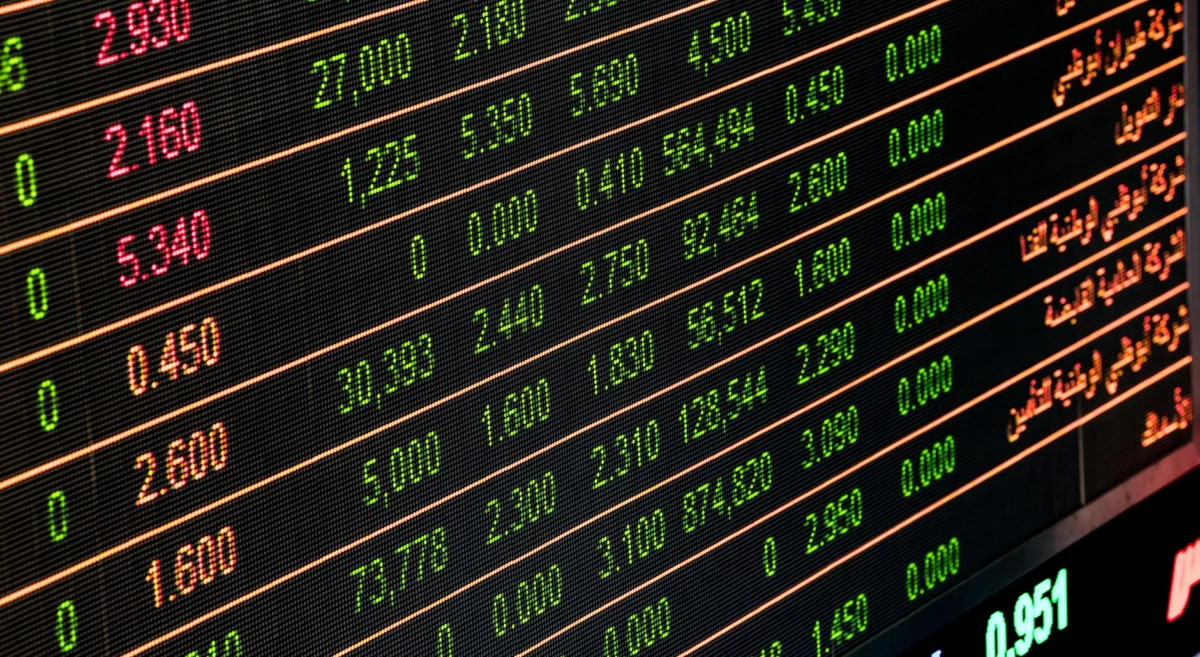
Flex Ltd. (NASDAQ: FLEX) opened at $84.12 on Tuesday, a 3.2% rise from the prior close, after the S&P Dow Jones Indices committee announced the company will be added to the S&P 500 next month.
The news sent a ripple through the equity market: the Dow Jones industrial average edged higher by 0.4%, while the S&P 500 futures spiked 0.6% as traders priced in the inevitable influx of index‑fund money.
“We expect passive managers to buy roughly $1.5 billion of Flex shares over the next 30 days,” the article on TechStock² reported, citing historical buying patterns when a stock gains S&P 500 status.
Why does this matter?
Being part of the S&P 500 is more than a badge of prestige; it rewrites the supply‑demand equation for a stock. Over 60% of US equity assets sit in index funds that track the index, meaning they must purchase every new component in proportion to its weight.
For the average investor, that translates into higher liquidity and tighter spreads, but also a higher correlation with the broader market. Flex, a diversified manufacturing and technology services firm with $14.3 billion in revenue last year, will see its market‑cap weighting rise to roughly 0.18% of the index.
What happens next?
Expect a two‑phase price move. First, a short‑term “announcement premium” as active managers scramble to buy before the index funds can, sometimes pushing the price 1–2% higher. Second, a steadier climb as the actual fund inflows occur on the effective date, usually within a month of the announcement.
Analysts at Goldman Sachs, cited in a separate Bloomberg note, forecast that Flex could see a total upside of 5% to 7% from the S&P inclusion, assuming no major earnings surprises.
Meanwhile, some hedge funds may view the forced buying as an arbitrage opportunity, shorting the stock ahead of the inclusion date to capture the expected bounce-back.
Who is affected?
Retail investors holding Flex in a non‑indexed brokerage account could see their holding’s value rise without any action on their part. Conversely, those who have built a position expecting a post‑inclusion dip may need to reassess.
Institutional investors will need to adjust their portfolio models to accommodate the new weight, potentially trimming exposure elsewhere to stay within risk limits.
Overall, the move underscores how a single committee decision can reshape trading flows, affect thousand‑dollar portfolios, and even influence corporate strategy.
Flex’s management has already hinted that the added visibility could make it easier to raise capital for its upcoming $2 billion green‑energy investment plan.
Stay tuned as the S&P 500 rebalancing calendar fills in – the next wave of additions could involve sectors from renewable energy to fintech, each bringing its own cascade of fund buying.
For a deeper dive into how index changes move markets, explore our economy and markets section.
Meta description: Flex shares jump 3% after S&P 500 inclusion announcement, prompting $1.5 billion of index‑fund purchases.