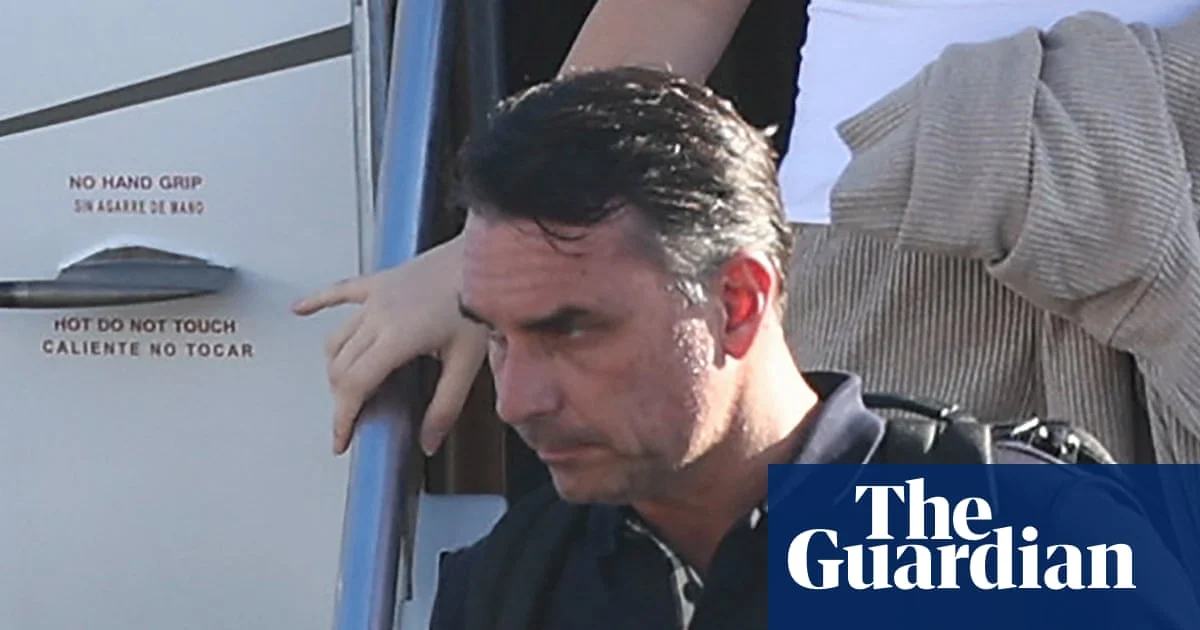
Flávio Bolsonaro has declared himself Brazil’s ‘true president’ after fleeing to the United States following his defeat in the recent presidential election. After landing in Miami with his family on Wednesday morning, he published a letter making the claim, despite all of Brazil’s institutions and electoral observers recognizing Luiz Inácio Lula da Silva as the legitimate winner.
His departure followed a journey that began in Brazil and passed through Argentina before reaching Florida via Ecuador. The move underscores the deepening political fracture in Brazil after a contested national vote, where Bolsonaro’s father, former President Jair Bolsonaro, refused to concede defeat.
Key Facts
- Flávio Bolsonaro declared himself “true president” after losing the election.
- He and his family landed in Miami on a private jet Wednesday morning.
- The trip included transit through Argentina and a flight via Ecuador.
- All Brazilian institutions and electoral observers recognized Lula as the winner.
How Did We Get Here?
The declaration marks an escalation in the political turmoil following last Sunday’s presidential election, which saw Luiz Inácio Lula da Silva narrowly defeat incumbent Jair Bolsonaro. While Flávio Bolsonaro did not run for president himself, his symbolic claim to legitimacy reflects the refusal of segments of the far-right to accept Lula’s victory.
Brazil’s superior electoral court had already certified Lula’s win days before Flávio Bolsonaro’s arrival in Miami, and all major institutions—including the military—stood by the result. Electoral observers from across Latin America and beyond also affirmed the integrity of the vote, citing transparency in the process.
Nevertheless, pockets of unrest have emerged in Brazil. Supporters of the outgoing administration have staged protests in several cities, echoing unfounded claims of fraud. These demonstrations mirror patterns seen in other democracies where electoral outcomes are disputed, raising concerns about potential unrest or destabilization efforts.
What Happens Next?
At present, Flávio Bolsonaro’s self-proclaimed title carries no official recognition. Brazil’s Supreme Federal Court has warned against any attempts to undermine democratic norms, and prosecutors are investigating whether any figures involved incited violence or illegal activity post-election.
The incoming administration, led by Lula, is set to assume office in January. In the interim, political tensions remain high. Regional governments and civil society groups have called for calm and dialogue, emphasizing the importance of respecting democratic institutions. Whether Flávio Bolsonaro remains abroad or returns to Brazil may become a focal point in the weeks ahead.
International observers continue monitoring developments, particularly given the precedent of post-election instability in other nations. The United States, where he currently resides temporarily, has not issued any formal comment on his presence.
What We Know — and What We Don’t
Verified by the source:
- Flávio Bolsonaro landed in Miami on a private jet with his family.
- He published a letter declaring himself the “true president” of Brazil.
- His journey passed through Argentina and Ecuador before arriving in the U.S.
- Lula’s victory was certified by Brazil’s electoral court and affirmed by observers.
Still unconfirmed:
- The exact time and circumstances under which he left Brazil.
- Whether he intends to return to Brazil permanently.
- If he holds any official role under U.S. immigration law during his stay.
- The full scope of legal consequences or actions taken against him in Brazil.
Why It Matters
This episode illustrates how deeply polarized Brazilian democracy has become, with elected officials refusing to concede defeat and casting doubt on foundational processes. The situation echoes broader global trends where leaders reject electoral outcomes, threatening institutional trust and stability.
The world is watching closely, not only because Brazil is a key regional power but also because such rhetoric can fuel further division and undermine the peaceful transfer of power essential to democratic governance.
What to Watch
Legal proceedings in Brazil regarding his post-election conduct and potential return may shape future political developments. Meanwhile, domestic sentiment toward democratic legitimacy remains fragile.