Lede
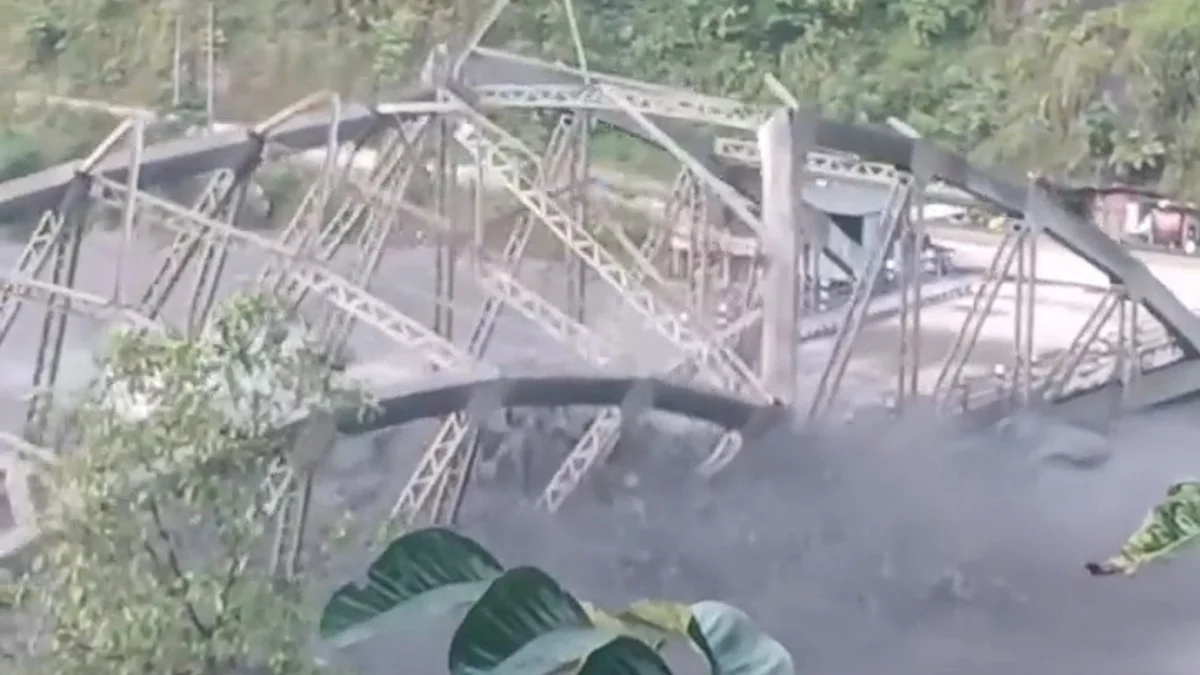
Flash floods along Nepal’s Budhi Gandaki River swept away bridges and homes, displacing residents who fled to higher ground. The disaster underscores the region’s vulnerability to seasonal flooding.
According to Al Jazeera, the torrential water damaged critical infrastructure and disrupted local access routes, highlighting ongoing risks in flood-prone areas.
Key Facts
- Flash floods hit the Budhi Gandaki River in Nepal.
- A bridge was washed away by the torrent of water.
- Homes were swept away by the floodwaters.
- Residents fled to higher ground for safety.
The Story
What Happens Next?
The destruction of a bridge along the Budhi Gandaki River will likely complicate rescue and recovery efforts. Emergency teams may need to reroute traffic or deploy temporary crossings to restore access. Floods in Nepal often peak during the monsoon season, and damage to roads and bridges can slow aid delivery to remote communities. Local authorities are expected to assess the full extent of the damage and coordinate relief supplies. The event also raises questions about long-term infrastructure resilience in high-risk zones. Officials may review existing flood defenses and update evacuation procedures based on lessons learned.
Who Is Affected?
Residents living near the Budhi Gandaki River are among the most directly affected by the flash floods. Families were forced to leave their homes and seek shelter on higher ground. The loss of housing creates immediate needs for food, clean water, and medical care. Bridges and roads that connect villages to markets and hospitals may now be impassable. Remote communities often lack reliable communication systems, making it harder for outside help to reach them quickly. Schools and clinics in the area may also have been disrupted, affecting daily life for weeks or months.
How Did We Get Here?
Nepal’s mountainous terrain makes it especially vulnerable to flash floods when heavy rainfall hits river basins. The Budhi Gandaki River flows through steep valleys where sudden surges of water can rapidly erode roads and bridges. Seasonal monsoon rains frequently trigger landslides and flooding in the region. Climate patterns are shifting, increasing the frequency of extreme weather events. Many rural areas still rely on aging infrastructure that was not built to withstand such forces. Without adequate early warning systems, communities may have little time to evacuate safely when floods strike.
What We Know — and What We Don’t
Verified by the source:
- Flash floods occurred along the Budhi Gandaki River in Nepal.
- A bridge was swept away by floodwaters.
- Homes were destroyed by the flooding.
- Local residents evacuated to higher ground.
Still unconfirmed:
- The exact timing or date of the floods.
- The number of people displaced or injured.
- The scale of property damage beyond homes and bridges.
- Whether any government or aid response has begun.
Why It Matters
Flooding in Nepal regularly displaces thousands and damages vital infrastructure. As climate-related disasters become more frequent, communities need better preparation and more resilient systems to protect lives and livelihoods.
What To Watch
Updates on relief efforts and infrastructure repairs are expected, along with assessments of additional damage across the region.