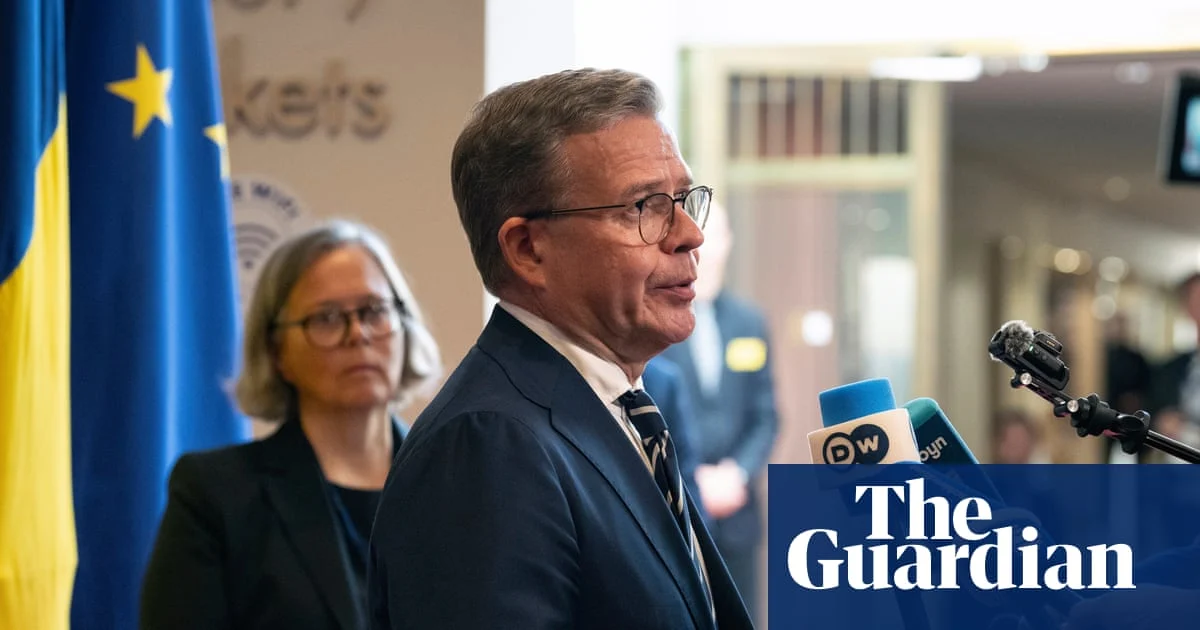
Finnish Prime Minister Petteri Orpo has suggested that a foreign power may be behind a series of suspected break-ins at the homes of several members of parliament. Police are currently investigating multiple reports of these incidents, which have occurred over the past year in the Helsinki area.
The break-ins are unusual because nothing appears to have been stolen. Instead, investigators have noted subtle signs of forced entry. Authorities are treating the matter seriously given the sensitivity of targeting sitting lawmakers.
Key Facts
- Prime Minister Petteri Orpo said suspected break-ins could be linked to a foreign power.
- Police are investigating multiple reports of MPs’ homes being broken into.
- Incidents occurred in the Helsinki area over the last year.
- Nothing was stolen; only subtle signs of entry were found.
What the Reports Reveal About the Investigation
According to reports, the suspected break-ins took place at the private residences of several members of parliament. These are not official government buildings but personal homes, raising concerns about personal security and potential surveillance attempts.
The fact that nothing was reported missing distinguishes these cases from typical burglaries. Investigators believe the intruders may have been gathering intelligence rather than stealing valuables. Subtle signs of entry suggest careful planning and restraint in avoiding detection.
Police have not released further details about specific properties or individuals involved, citing the ongoing nature of the investigation. No suspects or arrests have been announced publicly so far.
Why Foreign Involvement Is Being Considered
In recent years, European democracies have faced increasing concerns over foreign interference, particularly from state-affiliated actors attempting to gather intelligence or influence political processes. Targeting the homes of elected officials fits a pattern seen in other countries where espionage efforts focus on personal spaces to avoid traditional security measures.
While Finnish authorities have not named any specific country, experts note that break-ins at political figures’ homes—especially when no theft occurs—are consistent with intelligence-gathering operations. Such methods allow operatives to install surveillance devices or collect documents discreetly.
The prime minister’s public comments signal that officials take these allegations seriously and are seeking transparency with voters while supporting law enforcement efforts without compromising operational details.
Who Is Affected by These Investigations?
Several unnamed members of parliament are directly affected by the ongoing investigations. Their personal safety and privacy remain under scrutiny as authorities work to determine whether foreign actors were involved.
Beyond individual MPs, the incident highlights broader national security challenges facing Finland amid shifting geopolitical tensions. Public trust in democratic institutions may depend on how transparently officials handle sensitive matters like these.
What We Know — and What We Don’t
Verified by the source:
- Suspected break-ins occurred at MPs’ homes in the Helsinki area within the last year.
- Nothing was stolen during the incidents.
- Subtle signs of breaking and entering were observed.
- The Finnish prime minister linked the incidents to a possible foreign power.
Still unconfirmed:
- The exact number of break-ins investigated.
- Specific identities of affected MPs or properties.
- The name of any suspected foreign government.
- Any evidence directly tying the incidents to a foreign entity.
Why It Matters
This development underscores growing concerns about foreign interference in domestic politics across Europe. As democracies grapple with evolving threats, safeguarding elected officials becomes critical to maintaining stable governance and public confidence.
What to watch: Officials have not provided a timeline for updates. Further clarity will likely emerge as police continue their probe into the suspected break-ins.