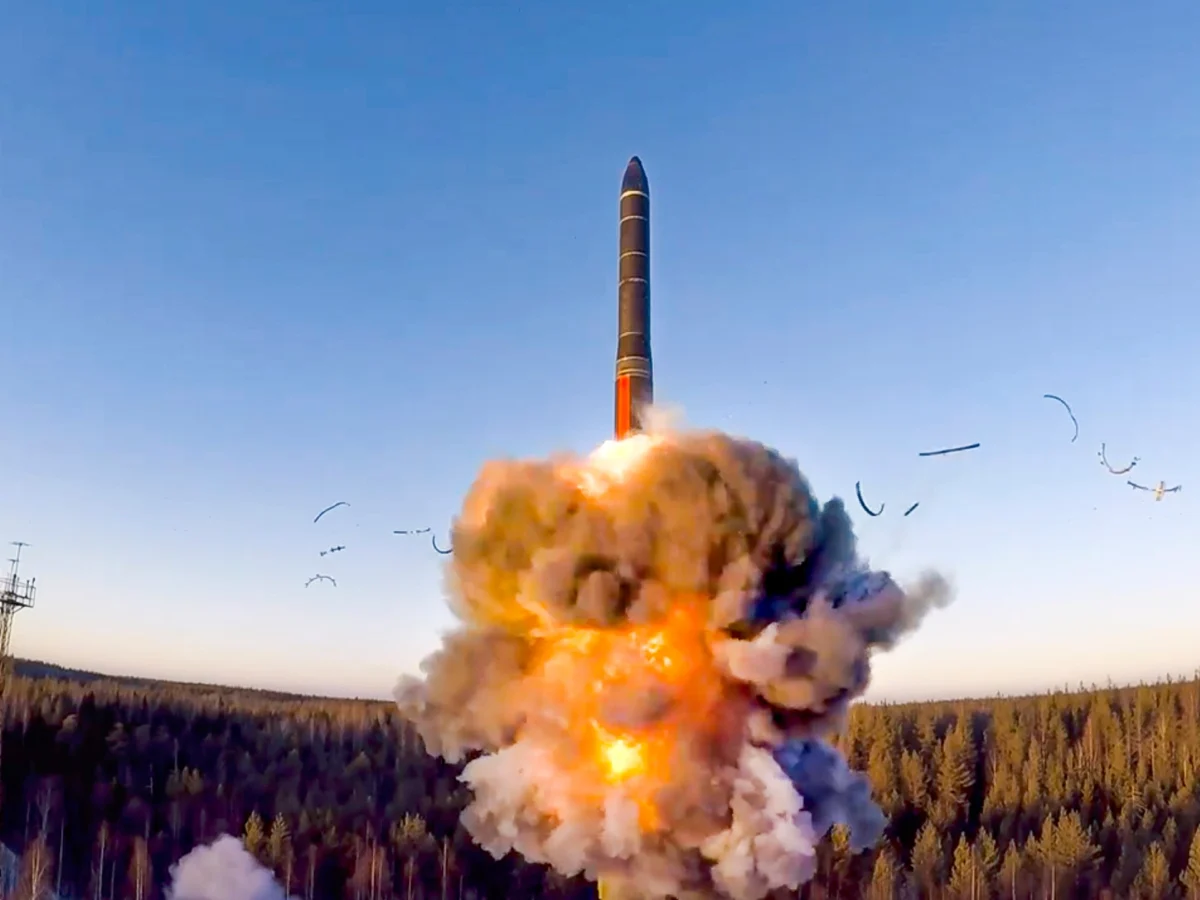
Finland has joined a French-led nuclear deterrence initiative, becoming the 10th European country to do so. This move reflects growing uncertainty over transatlantic security assurances amid evolving Russian posture and questions about long-term U.S. commitment to European defense.
The decision underscores shifting European efforts to diversify deterrence strategies amid persistent regional tensions and evolving alliance commitments.
KEY FACTS
- Finland becomes the 10th European state to join the initiative.
- The initiative involves military cooperation and nuclear deterrence.
- Russian and U.S. uncertainty cited as motivation.
- France leads the nuclear deterrence framework.
- The report is based on Al Jazeera coverage.
THE STORY
What happens next?
Further details about operational integration, command structures, or additional signatories remain unclear from available reporting. The initiative may expand if other European states seek alternative deterrence arrangements amid transatlantic tensions. Official statements from participating governments could clarify scope and implementation timelines.
Observers note that evolving geopolitical conditions may influence future participation and policy alignment among member states.
Who is affected?
All European participants in the initiative are impacted, particularly those seeking enhanced security assurances outside NATO frameworks. Non-member states monitoring regional stability may adjust diplomatic or defense postures accordingly. Publics in participating countries may experience shifts in defense planning perceptions.
Regional actors including NATO allies and partners will likely assess implications for collective security coordination and strategic alignment.
Background Context
The initiative represents broader European discussions about defense autonomy and alternative deterrence mechanisms. Such frameworks often emerge during periods of perceived uncertainty in traditional alliance structures. Multiple states have explored varied approaches to balancing national sovereignty with collaborative defense needs.
Analysts suggest these developments reflect ongoing recalibration of transatlantic relationships and emerging security priorities across the region.
WHAT WE KNOW / WHAT WE DON`T
Verified by the source:
- Finland joined a French-led nuclear deterrence and military cooperation initiative.
- Finland is the 10th European state to participate.
- Russian and U.S. uncertainty influenced the decision.
Still unconfirmed:
- No specific timeline for implementation.
- No detail on operational mechanisms.
- No list of other participating states provided.
WHY IT MATTERS
This development signals potential shifts in European defense coordination, especially among non-NATO or newly aligned states seeking diversified deterrence amid evolving transatlantic relationships and regional tensions.
WHAT TO WATCH
Official confirmations from participating governments and potential announcements from additional European states may expand or refine the initiative’s scope.