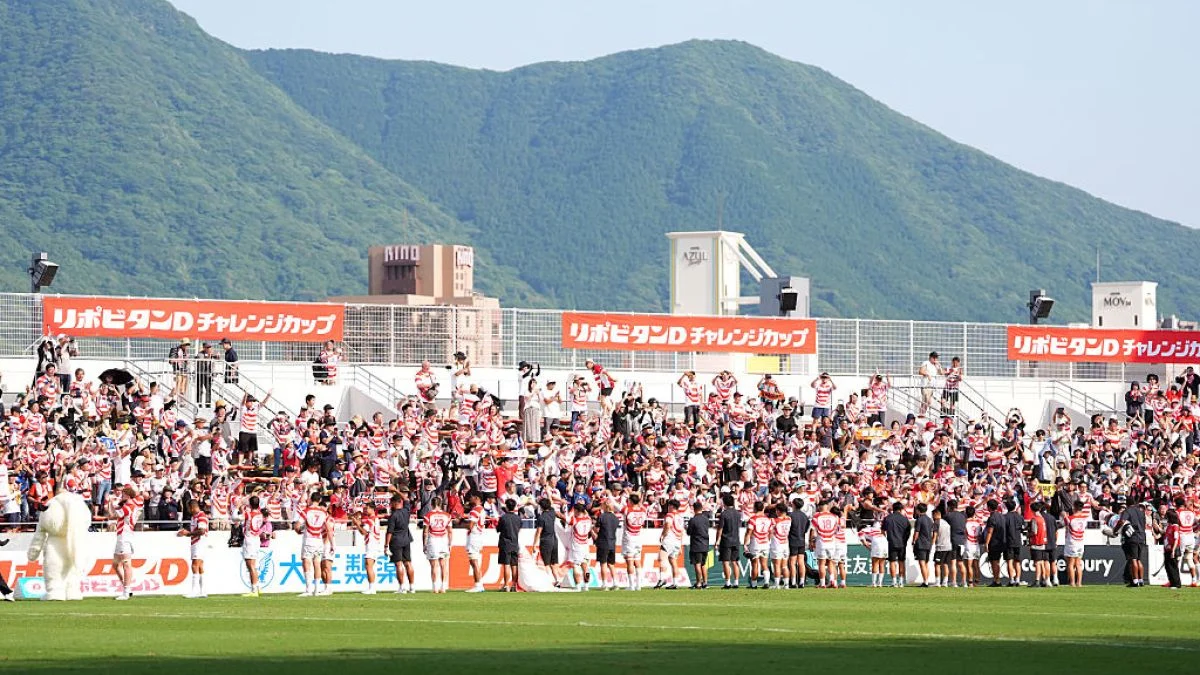
A Fiji rugby player has died in Japan after being hospitalized with symptoms of heatstroke. Saimoni Vunilagi was admitted to the hospital following rugby team training on Monday but passed away on Friday, according to a report by Al Jazeera.
The incident occurred amid high temperatures in Japan, where temperatures reportedly reached 35 degrees Celsius (95 degrees Fahrenheit). Heatstroke is a serious condition that can be fatal if not treated promptly, especially during intense physical activity like rugby training.
Key Facts
- Saimoni Vunilagi, a Fiji rugby player, died in Japan after being hospitalized with symptoms of heatstroke.
- He was hospitalized following rugby team training on Monday and died on Friday.
- The incident occurred as temperatures in Japan reached highs of 35 degrees Celsius.
What happened to Saimoni Vunilagi?
Vunilagi fell ill after participating in rugby training in Japan. He was hospitalized with symptoms consistent with heatstroke, a condition that occurs when the body overheats due to prolonged exposure to high temperatures or physical exertion in hot weather. Despite medical treatment, he died four days later.
Why is heatstroke dangerous for athletes?
Heatstroke is a severe heat-related illness that can lead to organ failure and death if not treated immediately. Athletes, especially those engaged in high-intensity sports like rugby, are at increased risk because physical exertion raises body temperature. Combined with hot weather, this can overwhelm the body’s ability to regulate temperature. Proper hydration and cooling measures are critical to prevent such incidents.
What We Know — and What We Don’t
Verified by the source:
- Saimoni Vunilagi, a Fiji rugby player, was hospitalized with symptoms of heatstroke after training.
- He died on Friday, days after hospitalization.
- The incident occurred during a period of high temperatures in Japan.
Still unconfirmed:
- The exact cause of death has not been officially confirmed (though heatstroke is suspected).
- Whether preventive measures were in place during training to mitigate heat risks.
- Whether extreme heat warnings were issued in the region at the time.
Why It Matters
Heat-related illnesses are a growing concern for athletes, particularly in regions experiencing rising temperatures due to climate change. This tragic incident underscores the need for sports organizations to implement rigorous heat safety protocols, including proper hydration, rest breaks, and training adjustments during extreme weather conditions to prevent future fatalities.
What To Watch
Sports authorities and health officials may review heat safety measures for athletes in response to this incident. Further information may emerge regarding official cause of death and any potential investigations into training conditions.