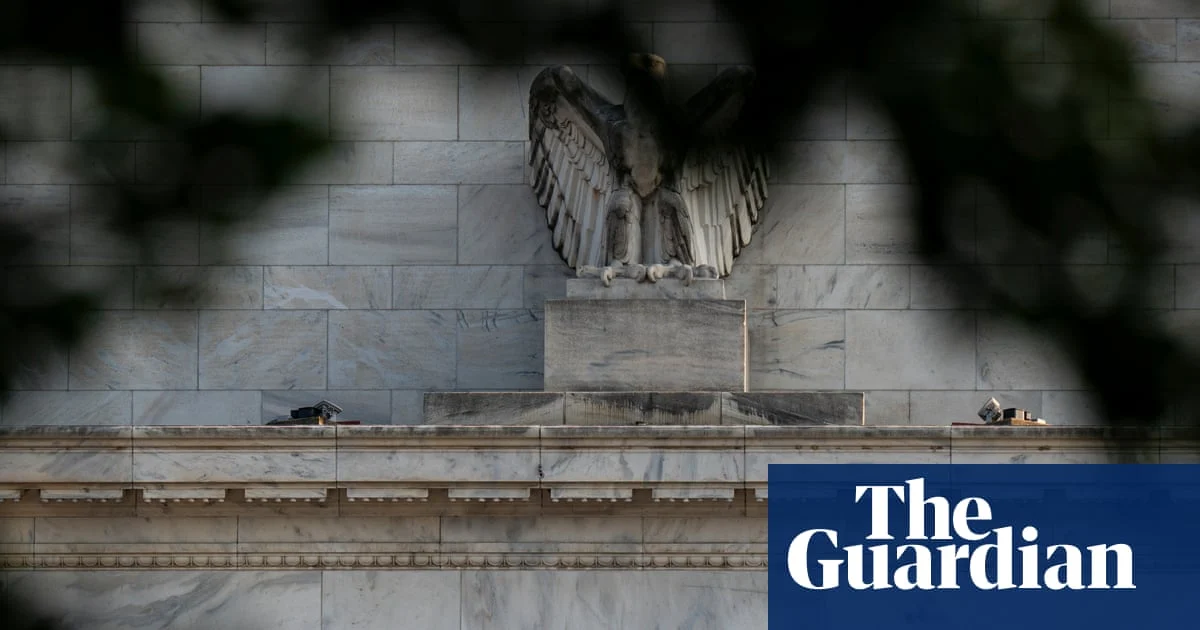
The U.S. Federal Reserve is expected to hold interest rates steady on Wednesday, marking its final rate-setting meeting before the midterm elections.
Last month marked the first rate increase since 2023, driven by inflation concerns that have kept prices above the Fed’s 2% target for years. With most of this year seeing annualized inflation above 3%, the central bank’s pause signals caution amid economic uncertainty and political pressure.
KEY FACTS
- The Fed is expected to keep interest rates unchanged.
- This is the last rate decision before the midterm elections.
- Rates are at one of the highest pre-election levels in over 20 years.
- The Fed raised rates last month for the first time since 2023.
- Inflation has remained above 3% for most of this year.
Why Now Matters
The timing of the Fed’s decision carries weight ahead of the midterm elections, as voters weigh economic performance alongside monetary policy. Holding rates steady avoids abrupt shifts in borrowing costs just weeks before ballots are cast, though past hikes may still influence consumer and business sentiment.
What Happens Next?
If inflation cools more quickly than expected, the Fed could signal future cuts. However, with prices still elevated and economic data mixed, officials are likely to adopt a cautious stance. Markets and policymakers will watch upcoming reports on employment, spending, and inflation for clues about the next move.
How Did We Get Here?
For years, inflation stayed low, allowing the Fed to keep rates near zero. But pandemic-related disruptions, supply chain bottlenecks, and strong consumer demand pushed prices higher. By last month, annualized inflation had stayed above 3%, prompting the Fed to restart rate hikes—a move that drew sharp criticism from former President Donald Trump.
WHAT WE KNOW — AND WHAT WE DON’T
Verified by the source:
- The Fed is expected to hold interest rates steady on Wednesday.
- The meeting is the last before the midterm elections.
- Rates are among the highest pre-election levels in over two decades.
- The Fed raised rates last month for the first time since 2023.
- Inflation has exceeded 3% for most of this year.
Still unconfirmed:
- The exact vote count among Fed officials.
- Official statements or quotes from Fed leadership.
- Precise inflation figures or projections.
- Market reactions or investor responses.
WHY IT MATTERS
Interest rate decisions affect everything from mortgage payments to savings yields. With elections approaching, the Fed’s actions influence not only the economy but also public confidence and political discourse around fiscal responsibility.
WHAT TO WATCH
Investors and analysts await the Fed’s official statement and any updated guidance on future policy moves. Further inflation reports and labor market data will shape expectations for whether rates rise, fall, or stay put in coming months.