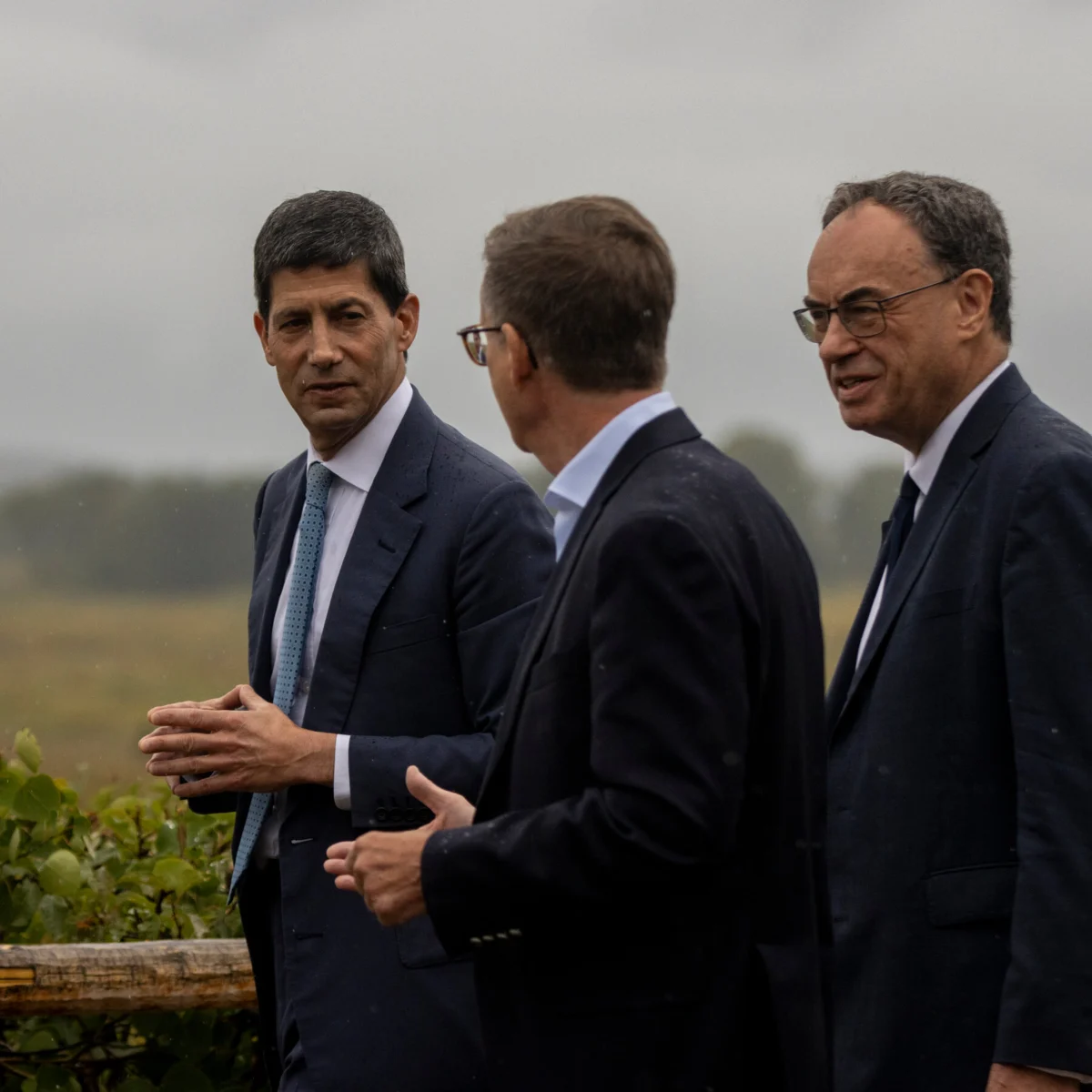
Federal Reserve Chairman Kevin M. Warsh has stated that the Federal Reserve is primarily responsible for managing inflation. In a high-profile speech, Warsh emphasized that if price increases do not return to the central bank’s target swiftly, more efforts will be necessary.
KEY FACTS
- Kevin M. Warsh, Federal Reserve Chairman, addressed inflation in a speech.
- The Federal Reserve is chiefly responsible for taming inflation.
- Warsh stated that if price increases don’t return to target quickly, “we have work to do.”
What Does This Mean for the Economy?
Inflation is a critical concern for both policymakers and consumers, as it impacts purchasing power and economic stability. The Federal Reserve uses monetary policy tools to manage inflation, aiming for a target rate that supports sustainable economic growth. Warsh’s remarks indicate a proactive approach to ensuring inflation remains controlled, which is essential for maintaining economic confidence.
What Happens Next?
If inflation does not subside as targeted, the Federal Reserve may need to implement additional measures. These could include adjusting interest rates or modifying asset purchase programs. The central bank’s actions will be closely watched by markets and analysts to gauge their effectiveness and potential economic impact.
WHAT WE KNOW — AND WHAT WE DON’T
Verified by the source:
- Kevin M. Warsh, Federal Reserve Chairman, spoke about inflation.
- The Federal Reserve is primarily responsible for controlling inflation.
Still unconfirmed:
- Specific actions the Federal Reserve will take if inflation remains elevated.
- The current inflation rate and how far it exceeds the target.
WHY IT MATTERS
Inflation control is vital for economic stability and consumer confidence. The Federal Reserve’s actions in managing inflation directly impact interest rates, employment, and overall economic growth. Warsh’s speech underscores the central bank’s commitment to addressing inflation concerns promptly.
WHAT TO WATCH
Future Federal Reserve announcements and policy changes will be critical indicators of their response to inflation trends. Monitoring inflation rates and economic indicators will provide further clarity on the effectiveness of their measures.