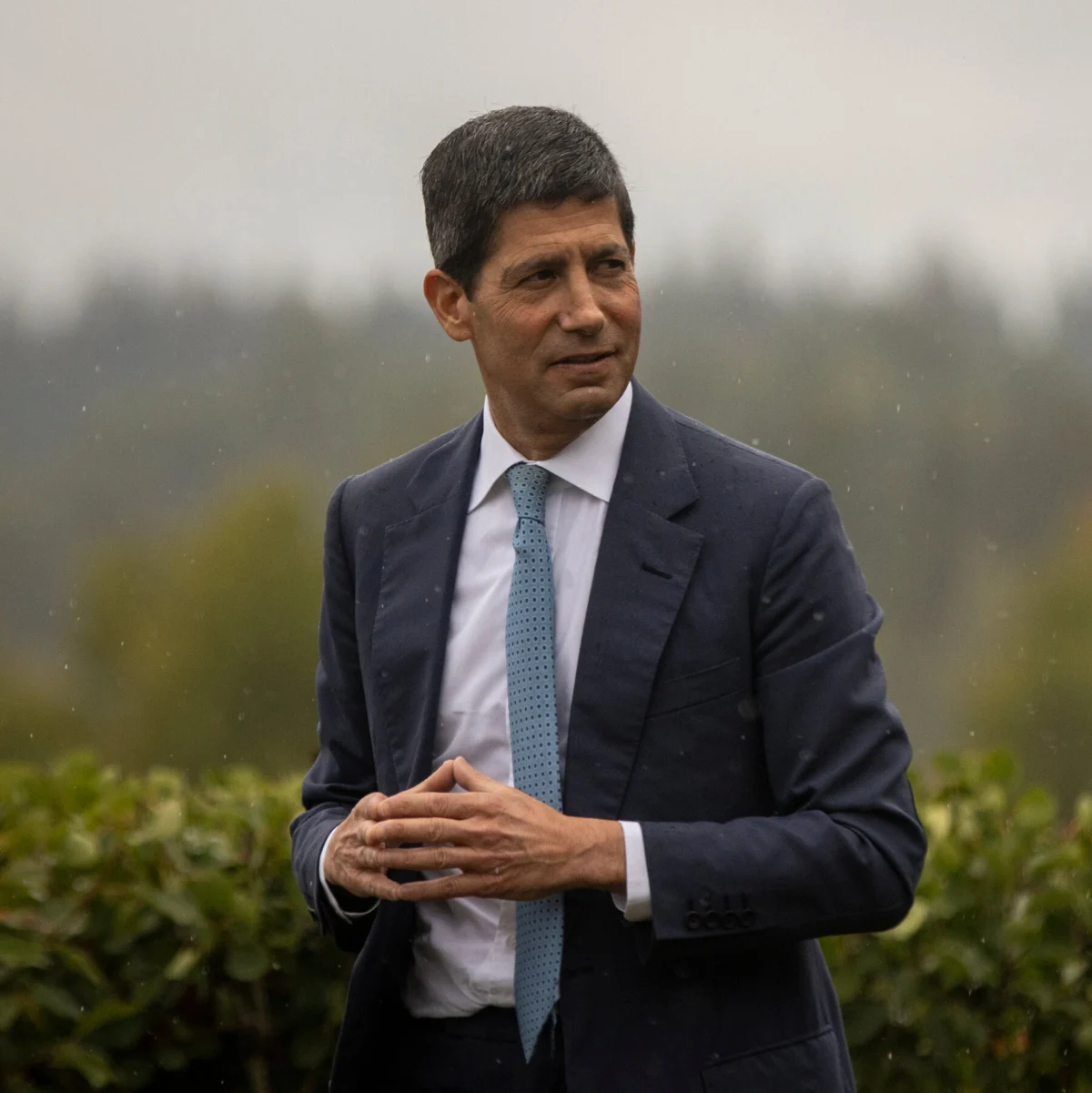
Federal Reserve Chair Kevin M. Warsh is in a difficult position as he considers whether to raise Fed interest rates if inflation persists, a move that could anger President Trump. The decision highlights the delicate balance between economic policy and political pressure.
Warsh, known for his tough stance on inflation, now faces what sources describe as a ‘no-win situation.’ Raising rates could slow economic growth but failing to act risks letting inflation spiral out of control.
KEY FACTS
- Kevin M. Warsh is the chairman of the Federal Reserve.
- He must decide whether to raise Fed interest rates if inflation does not ease.
- The decision may draw criticism from President Trump.
WHAT’S AT STAKE?
The Federal Reserve’s primary mandate is to maintain stable prices and maximum employment. If inflation remains unchecked, it could erode purchasing power and destabilize the economy. However, raising rates too soon could stifle growth and draw political ire.
HOW DID WE GET HERE?
Inflation has been a growing concern for policymakers, with rising prices in key sectors like housing and energy. The Fed has historically used rate hikes as a tool to curb inflation, but the current political climate adds complexity to the decision.
WHAT WE KNOW — AND WHAT WE DON’T
Verified by the source:
- Warsh is considering raising Fed interest rates if inflation persists.
- The decision could provoke a reaction from President Trump.
Still unconfirmed:
- The exact timing of any potential rate hike.
- How significant the political fallout might be.
WHY IT MATTERS
The Fed’s decision on Fed interest rates will have far-reaching implications for consumers, businesses, and financial markets. Balancing economic stability with political considerations is a challenge that could shape the broader economic landscape.
WHAT TO WATCH
Observers will be closely monitoring upcoming inflation data and any public statements from Warsh or the White House regarding Fed interest rates.