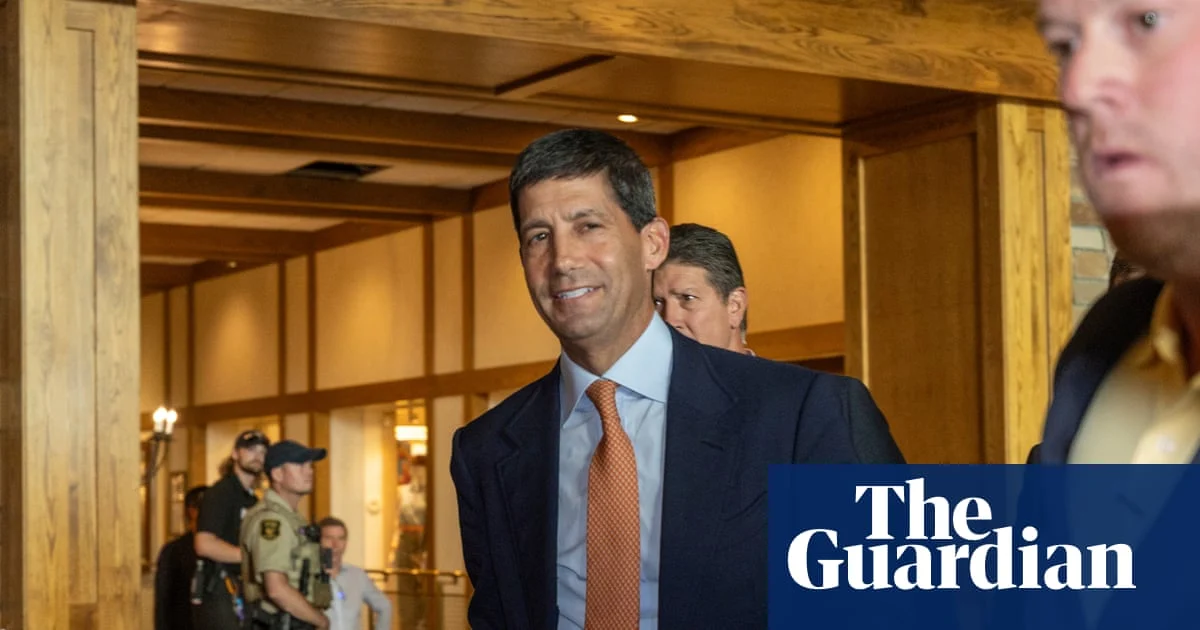
The US Federal Reserve remains focused on combating high inflation, according to Chair Kevin Warsh, who stated in his first major speech that delivering ‘stable prices’ is the central bank’s primary job. However, Warsh did not provide specific guidance on future interest rate changes, leaving markets to interpret his remarks as a potential signal of upcoming hikes.
Inflation in the US continues to exceed the Fed’s 2% target, a challenge compounded by geopolitical tensions. Warsh’s comments come amid pressure from former President Donald Trump, who has publicly advocated for rate cuts.
KEY FACTS
- Fed Chair Kevin Warsh emphasized that delivering ‘stable prices’ is the central bank’s job.
- Warsh did not indicate whether interest rates would change in the coming months.
- US inflation remains above the Fed’s 2% target amid the war in Iran.
- Markets interpreted Warsh’s speech as a signal that rates may rise soon.
- Trump has called for rate cuts, potentially putting him at odds with Warsh.
What does this mean for interest rates?
The Federal Reserve’s stance on interest rates is closely watched by investors and economists, as changes can significantly impact borrowing costs, consumer spending, and economic growth. Warsh’s lack of explicit guidance leaves uncertainty, but market reactions suggest expectations of tighter monetary policy ahead.
Why is inflation still high?
Persistent inflation above the Fed’s target reflects ongoing economic pressures, including those related to the conflict in Iran. The central bank faces the challenge of balancing price stability with economic growth, a task made more complex by political influences.
WHAT WE KNOW — AND WHAT WE DON’T
Verified by the source:
- The Fed prioritizes price stability as its core mandate.
- Inflation remains stubbornly above 2%.
- Markets interpreted Warsh’s speech as hinting at potential rate hikes.
Still unconfirmed:
- The exact timing or magnitude of future rate changes.
- How the war in Iran specifically impacts US inflation.
- Whether political pressure will influence Fed decisions.
WHY IT MATTERS
The Federal Reserve’s policies directly affect everything from mortgage rates to job growth, making its inflation-fighting approach crucial for both consumers and businesses. With inflation still elevated, the central bank’s next moves could determine whether price increases cool or economic growth slows.
WHAT TO WATCH
Key indicators include upcoming inflation reports and Fed meeting minutes, which may provide clearer signals about potential rate changes. Political reactions to monetary policy decisions will also be worth monitoring.