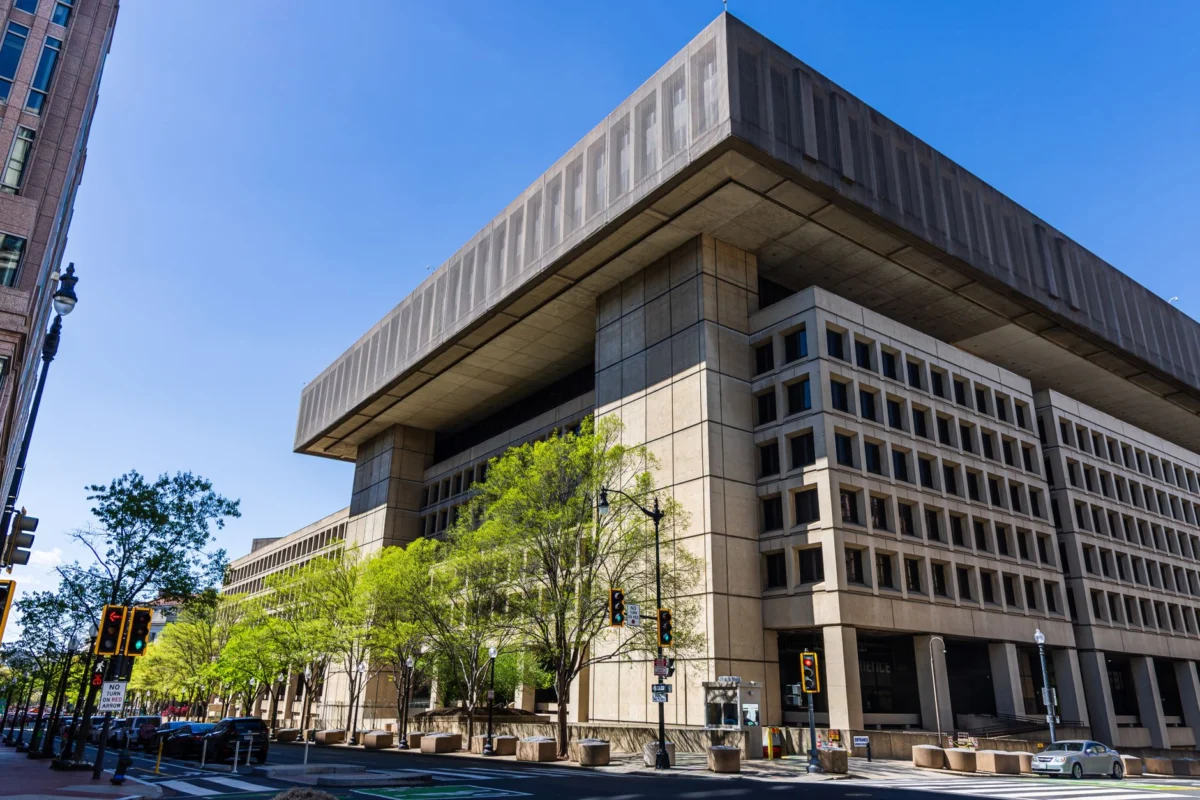
Former FBI agents and analysts who were removed from the investigation into former President Donald Trump’s handling of classified documents have sued the federal government in an effort to regain their jobs.
The lawsuit, filed in federal court, argues that their removal was improper and asks the court to restore them to their former roles. The case highlights ongoing friction between personnel decisions and investigative integrity within the FBI.
The firing of these individuals occurred during the course of the probe, which looked into how sensitive national security materials ended up at Trump’s private residence after he left office.
Key Facts
- FBI agents and analysts were fired for their roles in the Trump classified files probe.
- The fired personnel have sued the government to get their jobs back.
- The legal action was reported by AP News.
Who Is Affected by the Lawsuit?
The lawsuit directly affects the former FBI employees who were terminated from the classified documents investigation. These individuals have not been publicly named in the AP News summary, and their specific roles or reasons for dismissal are not detailed in the available source material. What is known is that they held positions significant enough within the investigation that their removal prompted a legal challenge. This suggests that their departure may have had an impact on the direction or progress of the probe.
It remains unclear whether the terminations were tied to performance concerns, conduct issues, or other factors. Without further information from the source, any conclusions about the nature of their dismissal would be speculative. The lawsuit itself is the primary new development related to their exit from the case.
The broader implications of the suit involve questions about accountability and transparency in federal law enforcement investigations. Should the court side with the plaintiffs, it could set a precedent regarding personnel changes during high-profile cases.
What Happens Next?
At this stage, the lawsuit represents just the beginning of what may become a lengthy legal battle. Courts typically require extensive review before making rulings on employment status involving federal agencies. The outcome will depend heavily on the arguments presented by both sides and how convincingly they support their positions with evidence.
If successful, the plaintiffs could potentially return to active duty on the investigation, though such reversals are rare in cases involving internal disciplinary measures. Conversely, if the court upholds the government’s decision, the former agents and analysts would remain outside the probe indefinitely. Either result carries consequences for public trust in the impartiality of the investigative process.
Meanwhile, attention continues to focus on the ongoing classified documents probe headed by special counsel Jack Smith. How that investigation proceeds—and whether additional departures occur—remains uncertain pending future developments in this parallel lawsuit.
What We Know — and What We Don’t
Verified by the source:
- Former FBI agents and analysts were fired from the Trump classified files probe.
- They have filed a lawsuit asking to get their jobs back.
- AP News is the original publisher of the report.
Still unconfirmed:
- The identities or specific job titles of those fired.
- Reasons given for their termination or removal.
- Exact timing of when the firings occurred.
- Details of the claims made in the lawsuit itself.
Why It Matters
This lawsuit raises important questions about consistency and stability in major criminal investigations. When personnel changes happen mid-probe, especially at senior levels, they can affect momentum, continuity, and even access to sensitive information. Public confidence in the FBI’s ability to conduct politically neutral investigations depends partly on predictable adherence to established protocols. Any disruption—real or perceived—can fuel skepticism among citizens watching these proceedings unfold from afar.
What To Watch
Legal experts expect the court to issue initial responses within weeks, though formal hearings could take months. A key moment will come when the Justice Department files its response defending the terminations.