Lede
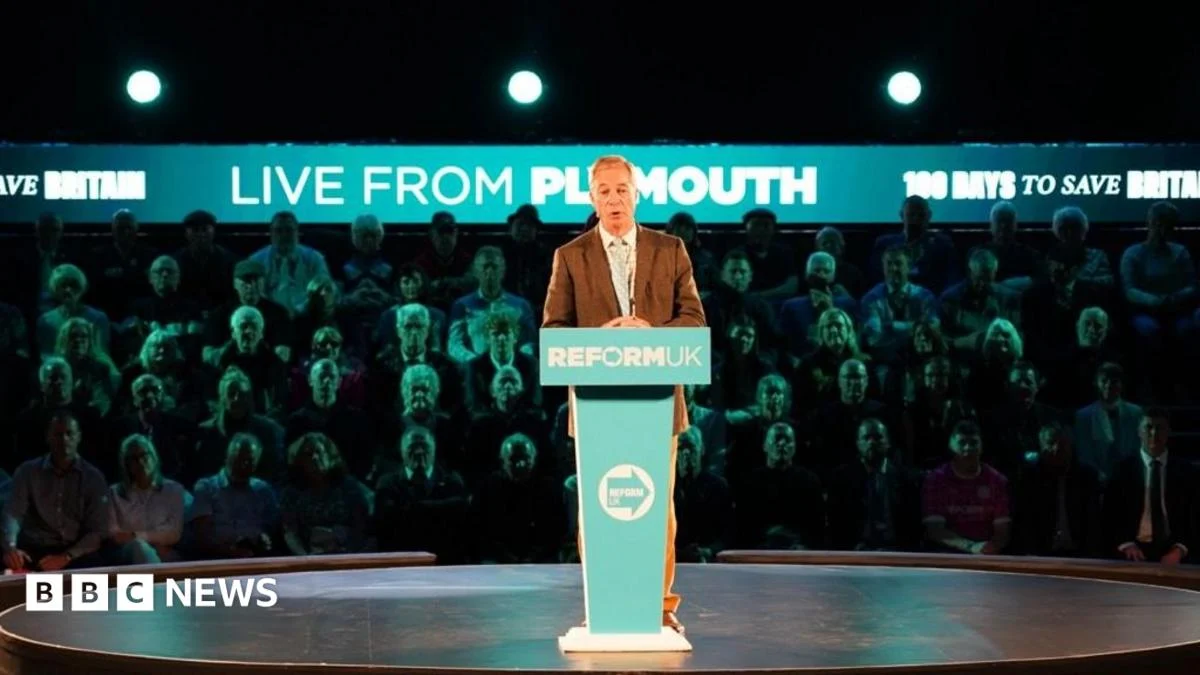
Nigel Farage has pledged to abolish the tax on armed forces reserves, according to BBC News. The promise was made during a Reform UK rally in Plymouth, where a large group of protesters also gathered outside the event.
The rally drew significant attention, with Farage using the occasion to outline key policy positions for his party, including the proposed change to military reserve taxation. The presence of protesters suggests the event sparked strong reactions from parts of the local community.
The specific mechanism for scrapping the tax was not detailed in the available report, nor was the legal or financial framework behind such a policy explained. However, the announcement itself signals an effort by Reform UK to appeal to military veterans and active reserve personnel ahead of future elections.
Key Facts
- Nigel Farage pledged to scrap the tax on armed forces reserves.
- A large group of protesters gathered outside the Reform UK rally in Plymouth.
- The rally featured public statements from Farage regarding military reserve policy.
The Story
What happens next?
Following Farage’s announcement, it remains unclear whether the proposal will gain legislative traction. Reform UK currently does not hold any seats in Parliament, meaning any formal push to alter reserve taxation would require broader political support or a shift in electoral outcomes. No timeline or legislative steps have been specified publicly.
The issue of reserve pay and benefits has historically received bipartisan attention due to recruitment and retention concerns within the armed forces. Should Reform UK succeed in influencing national policy, the move could affect thousands of part-time military personnel who currently face taxation on their reserve duties. However, financial implications and administrative changes would need careful evaluation before implementation.
Who is affected?
The primary group impacted by Farage’s proposal would be members of the UK’s armed forces reserves, a segment of the military composed of part-time volunteers who supplement full-time service members. These individuals often juggle civilian careers alongside military obligations, and any adjustment to their tax obligations could influence both personal finances and willingness to serve.
Beyond individual reservists, defense analysts may monitor how mainstream parties respond to such proposals. If adopted more broadly, reforming reserve-related taxation could signal shifting attitudes toward national security resourcing and citizen-soldier models. The extent of actual impact will depend heavily on whether these ideas translate into concrete policy proposals or parliamentary action.
How did we get here?
Reform UK, led by Farage, has increasingly focused its messaging around traditional institutions and patriotic themes. This latest stance on reserve taxation fits within a broader narrative aimed at attracting voters disillusioned with establishment politics. The choice of Plymouth — a city with notable naval ties — likely reflects strategic positioning.
Events like this also highlight growing public engagement around defense issues. With ongoing debates over military funding and readiness, gestures targeting specific groups like reservists may serve dual purposes: appealing to potential supporters while reinforcing party identity around civic duty and accountability.
What We Know — and What We Don’t
Verified by the source:
- Nigel Farage spoke at a Reform UK rally in Plymouth.
- Protesters attended the rally outside the venue.
- Farage promised to scrap the tax on armed forces reserves.
Still unconfirmed:
- The exact nature of the current tax applied to reserves.
- Any official response from government or military leadership.
- Whether the proposal includes compensatory measures or budget allocations.
Why It Matters
Taxation policies affecting military personnel can shape recruitment trends and morale among volunteer forces crucial to national defense readiness. While Farage’s pledge targets a narrow demographic, its symbolic resonance extends into wider discussions about civic obligation, public funding priorities, and the role of smaller parties in shaping national discourse. Whether this translates into meaningful reform depends on future developments beyond this single rally.
What To Watch
Ongoing coverage of Reform UK activities and possible responses from other political figures or institutions may determine if this pledge evolves into formal legislation. Additional rallies or official statements could provide further clarity on policy intent.