Lede
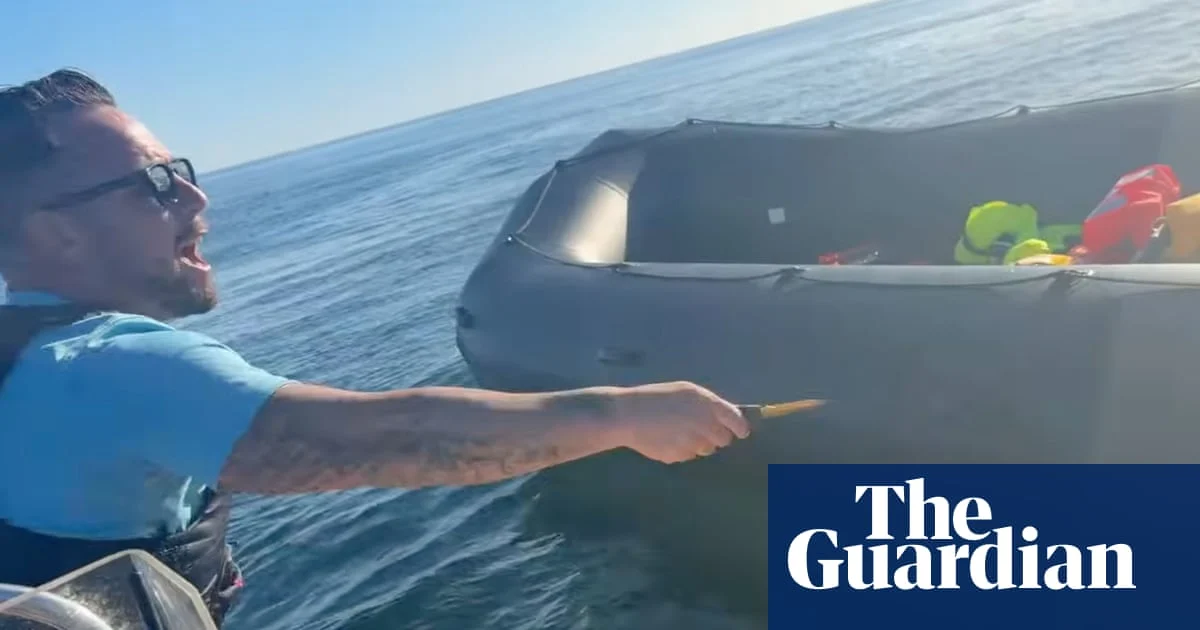
A far-right activist identified as Daniel Thomas slashed an inflatable dinghy in the English Channel with a blade while a rescue worker remained onboard, according to footage condemned by charities. The incident occurred amid broader attempts by activists to disrupt the landing of asylum seekers, though coordinated efforts to block their arrival ultimately failed when Border Force vessels instead transported migrants to Dover rather than Gosport.
The actions represent a marked escalation in organized anti-immigration protests, raising concerns over safety and legality among humanitarian groups and maritime authorities.
Key Facts
- Daniel Thomas, a far-right activist, used a blade to slash an inflatable dinghy in the Channel.
- A rescue worker was present on the dinghy during the slashing incident.
- Thomas had previously called on followers to disrupt the arrival of asylum seekers in Gosport.
- Hundreds of protesters gathered in Gosport to prevent disembarkation of asylum seekers.
- Border Force redirected the vessels carrying asylum seekers from Gosport to Dover instead.
The Story
How Did We Get Here?
The incident involving the far-right activist Daniel Thomas reflects growing tensions surrounding the arrival of asylum seekers via small boats across the English Channel. Activists have increasingly attempted to interfere with official rescue and processing operations, framing their actions as opposition to unauthorized immigration. In this instance, Thomas is reported to have directly damaged a dinghy with a blade while a rescue worker was still aboard, an act described by charities as dangerous and unlawful.
Prior to the slashing, Thomas reportedly mobilized supporters online, urging them to gather in Gosport to obstruct the disembarkation of asylum seekers. Authorities responded swiftly, diverting the Border Force vessels to Dover instead, effectively bypassing the planned protest site. Charities and advocacy groups condemned both the slashing and the surrounding demonstration, citing risks to Migrants, rescue personnel, and public order.
What Happens Next?
The diversion of asylum seekers to Dover suggests that government agencies may continue to adapt logistics in response to activist interference. Meanwhile, charities have expressed alarm over the normalization of disruptive tactics, warning that such confrontations could escalate further. Legal experts note that damaging maritime vessels or obstructing official duties can carry criminal penalties, though formal charges related to Thomas’s actions were not confirmed in the reporting.
Organizers of the Gosport protest framed their efforts as peaceful civic action, but images of the dinghy slashing have drawn sharp criticism. Whether additional arrests or prosecutions follow remains unclear. What is certain is that the episode underscores mounting polarization around migration policy and the role of civilian activism in enforcing or challenging state procedures.
What We Know — And What We Don’t
Verified by the source:
- Daniel Thomas slashed a dinghy with a blade while a rescue worker was onboard.
- He called followers to disrupt asylum seeker arrivals in Gosport.
- Hundreds of protesters gathered in Gosport.
- Border Force took asylum seekers to Dover instead.
Still unconfirmed:
- Exact timing or location of the dinghy slashing within the Channel.
- Whether injuries occurred during the incident.
- Legal consequences faced by Daniel Thomas.
- Names and statements from affected asylum seekers or rescue workers.
Why It Matters
The escalation by a far-right activist signals deeper societal divisions over migration control and civic protest norms. As polarized discourse spreads, incidents like this challenge institutions tasked with managing both humanitarian obligations and border security. See more under war-geopolitics.
What To Watch
Authorities may announce whether any individuals involved in the slashing or protests face legal proceedings. Continued disruptions or policy shifts regarding asylum processing would signal broader developments.