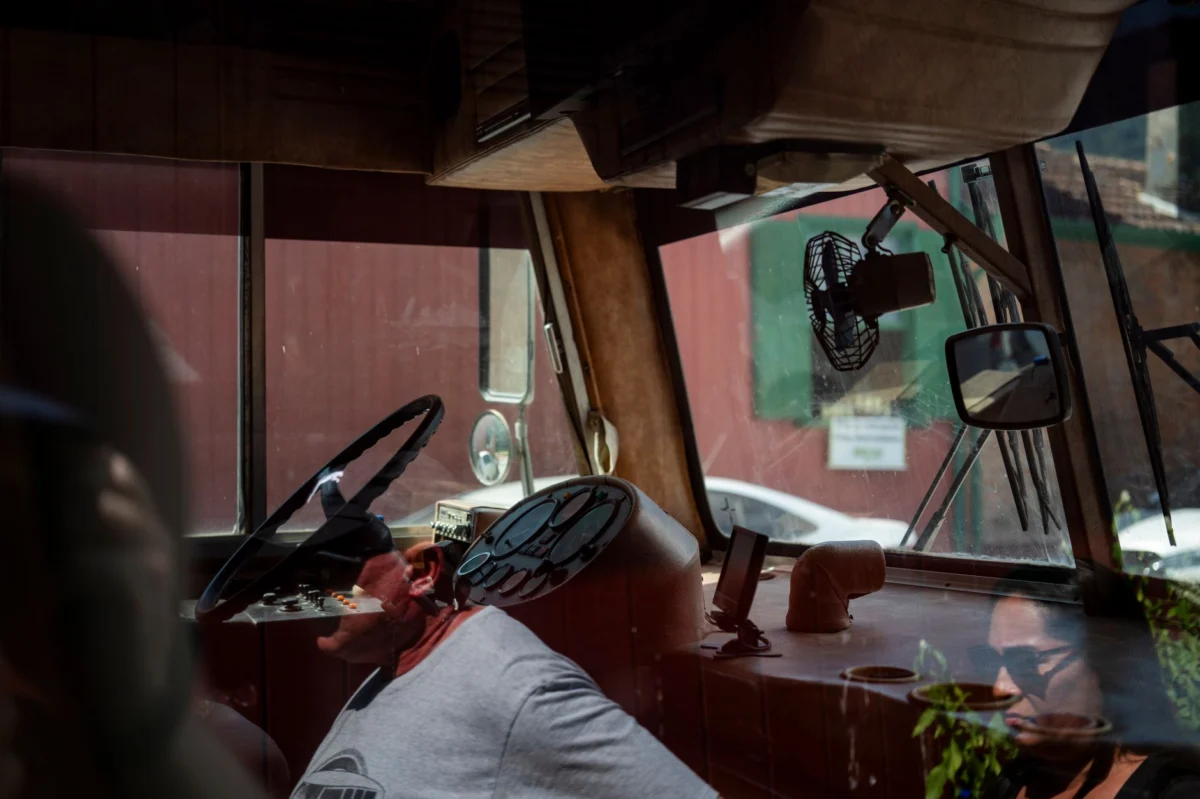
A rusty, air‑conditioned coach stalled on I‑70 at 5:42 p.m. as the United States took on Portugal, leaving 38 fans huddled in summer heat while police rerouted traffic.
Witnesses said the driver’s warning lights flickered before the engine seized, and the vehicle rolled to a stop just yards from the stadium’s fan zone.
“We were stuck for almost two hours,” said Marco Alvarez, a 27‑year‑old fan from Austin, who posted a video of the jammed bus on TikTok.
Shortly after, Kansas City Police Department officers arrived with portable fans and bottled water, but the crowd grew restless. Some fans tried to flag down passing rideshare cars; others paced the curb, clutching tickets and season‑ticket wristbands.
What went wrong?
The bus, operated by a third‑party charter company, was not listed on the city’s approved vendor roster for the World Cup, a fact confirmed by a KCTV investigative report. The company’s insurance paperwork expired two weeks before the match, and the driver had no valid commercial license for a vehicle over 26,000 lb.
City officials later admitted they had not conducted a final safety audit of charter services after the tournament’s schedule was expanded to include three additional matches in the Midwest.
Why does this matter?
When thousands travel to a single venue, transportation failures can become public‑safety crises. The incident sparked a social‑media outcry, with the hashtag #BusNightmare trending locally within minutes.
For fans, the episode meant missing pre‑match festivities, losing time to purchase merchandise, and in a few cases, missing the kickoff entirely. For the city, it highlighted gaps in coordination between event organizers, local law enforcement, and private transit providers.
“If a fan can’t get to the stadium safely, the whole experience collapses,” noted a spokesperson from the Kansas City Convention & Visitors Authority, who requested anonymity.
What happens next?
The city has pledged a thorough review of all charter contracts ahead of the upcoming CONCACAF quarter‑finals. Officials plan to require real‑time GPS tracking for every bus serving World Cup venues and to impose stricter vetting of driver qualifications.
Fans who spent money on the failed ride may be eligible for refunds through the charter company’s insurance carrier, though the process could take weeks.
Meanwhile, the United States defeated Portugal 2–0, but the victory was muted for those who spent the night on a broken bus.
Follow our coverage for updates on policy changes and how future sporting events will address transportation safety.
Read more about event logistics in our economy and markets section.