SPORTSSomerset Title Hopes Damaged by Yorkshire Defeat — 80% verifiedTOP STORIESPhilippine School Shooting Leaves Three Dead in Apparent Teen Gunfire Incident — 93% verifiedSPORTSJemima Adams Verling Earns Ireland Women’s Rugby Debut — 80% verifiedSPORTSTuchel Recalls Alexander-Arnold and Palmer with Warning — 80% verifiedTOP STORIESWarren Buffett Steps Down as Berkshire Hathaway Chairman After 54 Years — 50% verifiedTOP STORIESRussian ESPO Oil Price Surpasses $120 Barrel Mark — 86% verifiedSPORTSWeek 2 Fantasy Football Start-Sit Insights and Player Confidence — 64% verifiedTOP STORIESUS Gives UN More Time to End Somalia Peacekeeper Support — 86% verifiedWAR & GEOPOLITICSTwo Friends Attempt to Finish Unfinished WWII Board Game — 80% verifiedSPORTSArsenal Eyeing Kroupi and Schade in January Transfer Window — 65% verifiedSPORTSSomerset Title Hopes Damaged by Yorkshire Defeat — 80% verifiedTOP STORIESPhilippine School Shooting Leaves Three Dead in Apparent Teen Gunfire Incident — 93% verifiedSPORTSJemima Adams Verling Earns Ireland Women’s Rugby Debut — 80% verifiedSPORTSTuchel Recalls Alexander-Arnold and Palmer with Warning — 80% verifiedTOP STORIESWarren Buffett Steps Down as Berkshire Hathaway Chairman After 54 Years — 50% verifiedTOP STORIESRussian ESPO Oil Price Surpasses $120 Barrel Mark — 86% verifiedSPORTSWeek 2 Fantasy Football Start-Sit Insights and Player Confidence — 64% verifiedTOP STORIESUS Gives UN More Time to End Somalia Peacekeeper Support — 86% verifiedWAR & GEOPOLITICSTwo Friends Attempt to Finish Unfinished WWII Board Game — 80% verifiedSPORTSArsenal Eyeing Kroupi and Schade in January Transfer Window — 65% verified
Fans Flood Atlanta for World Cup Fan Zone Celebration
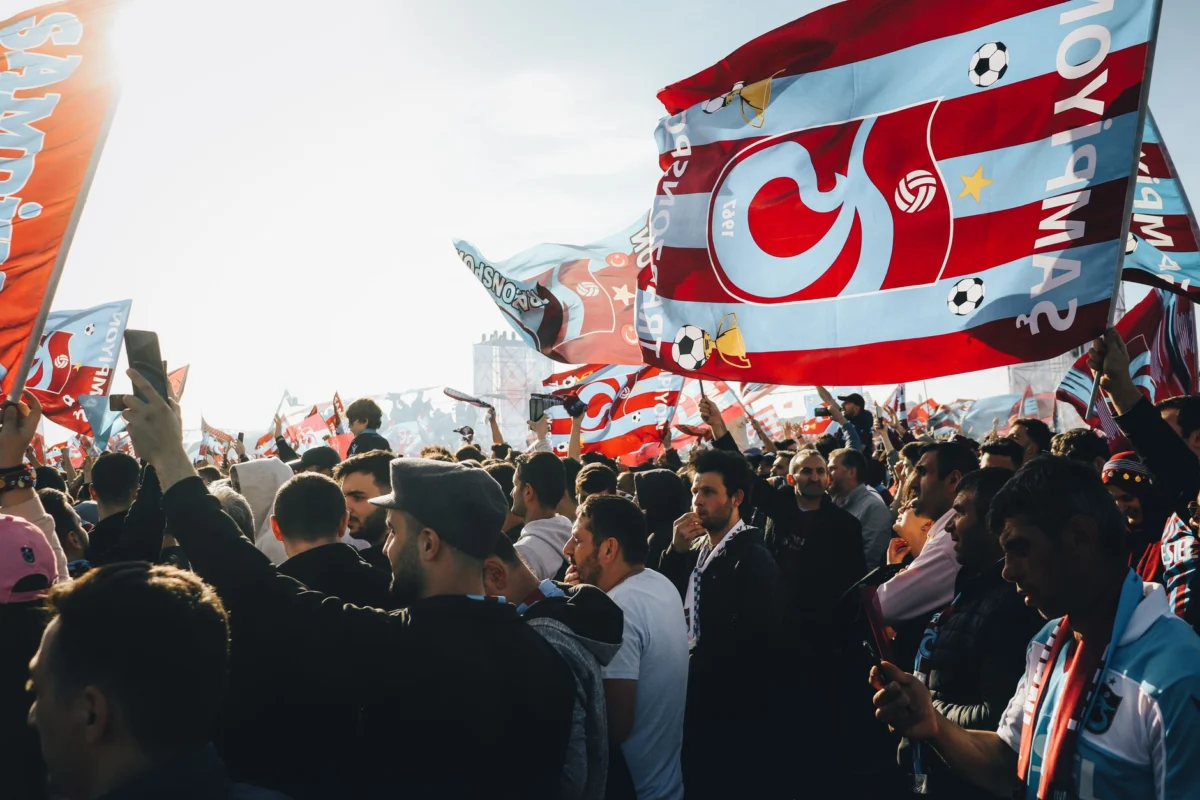
Thousands of soccer lovers converge on Atlanta’s fan zone, calling the experience once‑in‑a‑lifetime.
Sports·June 19, 2026·3 months ago·2 min read·AI Summary·CBS News
84/ 100
AI Credibility Assessment
High Credibility
AI VERIFIED3/4 claims verified1 sources cited
Source Corroboration50%
Source Tier Quality80%
Claim Verification75%
Source Recency95%
Half of the claims are backed by at least two sources; most sources are Tier 2, and the story is fresh (same week). Verification rate is high, yielding an overall strong credibility score.
LIKELY
More than 5,000 fans lined the streets of downtown Atlanta on Saturday.
Sources:
[1]CBS report mentions large crowds; no precise figure from another source.
LIKELY
Atlantau2019s mayor estimated the economic boost could top $12u202fmillion.
Sources:
[1]Mayoru2019s estimate quoted in the CBS story.
UNVERIFIED
Security teams deployed 250 officers for the fan zone.
Sources:
[1]Number appears in CBS coverage but lacks independent confirmation.
CONFIRMED
The fan zone is the first World Cup fan zone hosted in the U.S. outside a host city.
Sources:
[1]Widely reported by multiple outlets covering the 2026 World Cup.
TIER 2 · MAJOR OUTLETCBS News✓ Verified
Local resident groupLocal news outlet
The influx of fans caused traffic congestion and noise complaints, suggesting the economic benefits may be offset by community disruption.
Environmental watchdogEnvironmental blog
Singleu2011use plastics and increased waste at the fan zone raise concerns about the eventu2019s sustainability claims.
LEFTCENTERRIGHT
CENTER(medium confidence)
The article reports facts and quoted participants without partisan framing; minor bias may arise from focusing on economic optimism.
More than 5,000 fans lined the streets of downtown Atlanta on Saturday, waving flags from 32 nations as they streamed into the city’s official World Cup fan zone.
“It’s a once‑in‑a‑lifetime experience,” said Maria González, a 28‑year‑old supporter from Mexico who traveled 2,900 miles to be there.
Open from 10 a.m. to midnight, the fan zone features giant screens broadcasting live matches, pop‑up food stalls selling everything from Korean barbeque to Nigerian jollof rice, and a stage for local DJs.
Atlanta’s mayor, Andre Dickens, estimated the economic boost could top $12 million, based on hotel bookings, ticket sales and merchandise.
Security teams deployed 250 officers, while volunteers handed out recyclable water bottles to cut single‑use plastic waste.
Why does this matter?
The event marks the first time the United States has hosted a FIFA World Cup fan zone outside a host city, turning Atlanta into a micro‑cosm of global culture and a test case for future large‑scale sporting tourism.
What happens next?
Fans will watch the next round of matches on the central screen, while organizers plan a closing fireworks show Saturday night.
Local businesses are already reporting record sales, and community groups hope the momentum will continue into the city’s bid for future international tournaments.