The U.S. Food and Drug Administration (F.D.A.) has approved daraxonrasib, a new drug for pancreatic cancer that demonstrated in a clinical trial to double survival time compared to chemotherapy. The approval marks a significant advancement in treating one of the deadliest forms of cancer.
Pancreatic cancer has long been one of the most challenging cancers to treat, with limited effective options and poor survival rates. The approval of daraxonrasib represents a potential shift in the treatment landscape.
KEY FACTS
- The F.D.A. approved daraxonrasib for pancreatic cancer treatment.
- In a clinical trial, patients taking daraxonrasib lived twice as long as those receiving chemotherapy.
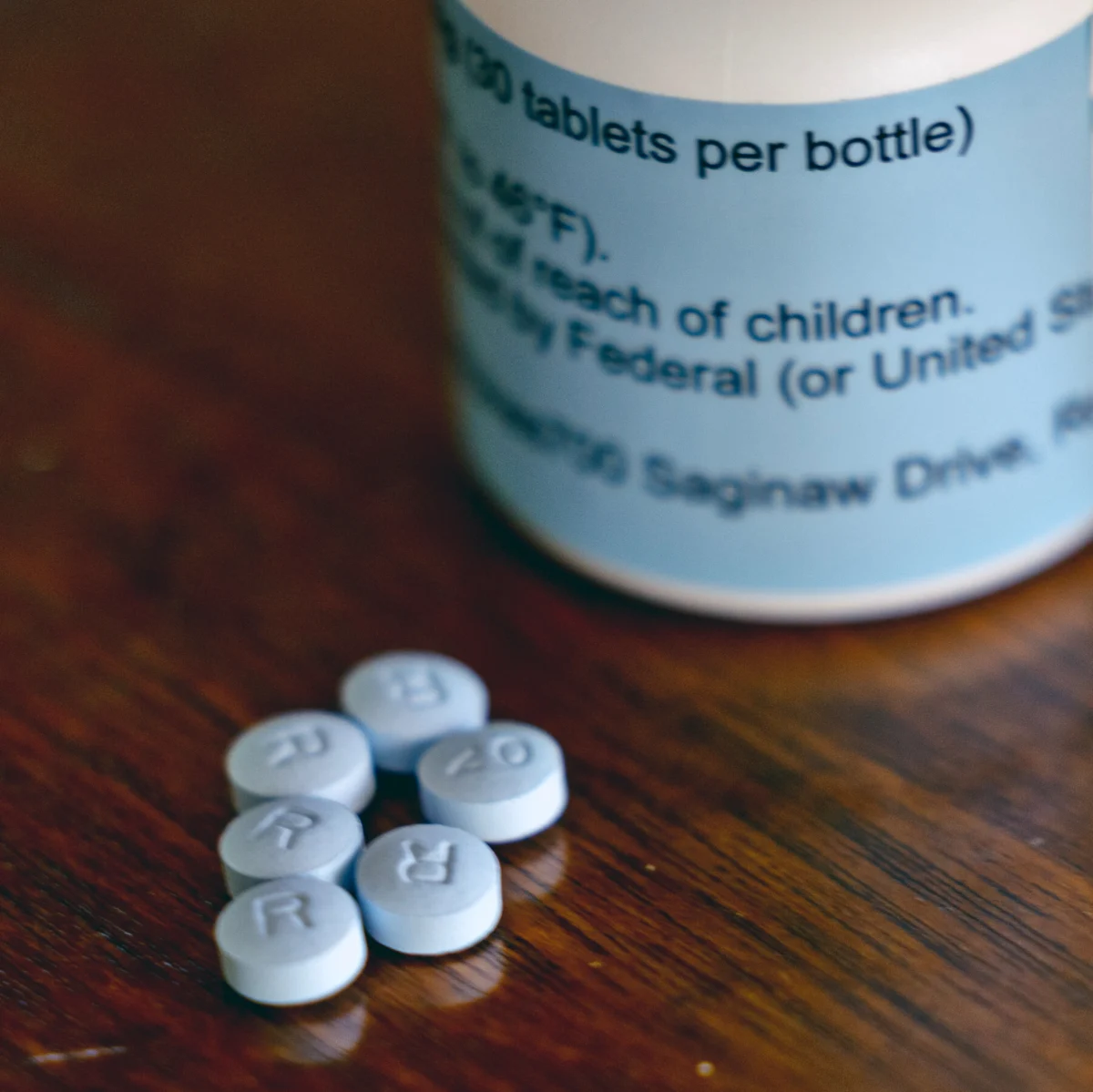
- Daraxonrasib is administered as a pill.
How Effective is Daraxonrasib?
According to the New York Times, the key clinical trial found that patients treated with daraxonrasib lived twice as long as those receiving standard chemotherapy. This outcome suggests a major breakthrough in pancreatic cancer care, though the exact survival rates were not specified in the source.
What This Means for Patients
Pancreatic cancer is notorious for its aggressive nature and low survival rates. The approval of an oral medication like daraxonrasib could improve quality of life for patients by offering a less invasive treatment option compared to infusions. However, accessibility and cost remain open questions.
WHAT WE KNOW — AND WHAT WE DON’T
Verified by the source:
- The F.D.A. has approved daraxonrasib for pancreatic cancer.
- Clinical trial data showed patients on daraxonrasib lived twice as long as those on chemotherapy.
Still unconfirmed:
- The exact median survival times for patients in the trial.
- Potential side effects or limitations of daraxonrasib.
- Pricing and insurance coverage details.
WHY IT MATTERS
Pancreatic cancer has one of the lowest survival rates among cancers. A drug that significantly extends life expectancy could represent a crucial step forward, offering hope to patients and families affected by the disease.
WHAT TO WATCH
Further details on real-world effectiveness and cost will determine how widely daraxonrasib is adopted. Medical professionals and patients will be awaiting additional data from post-approval studies.