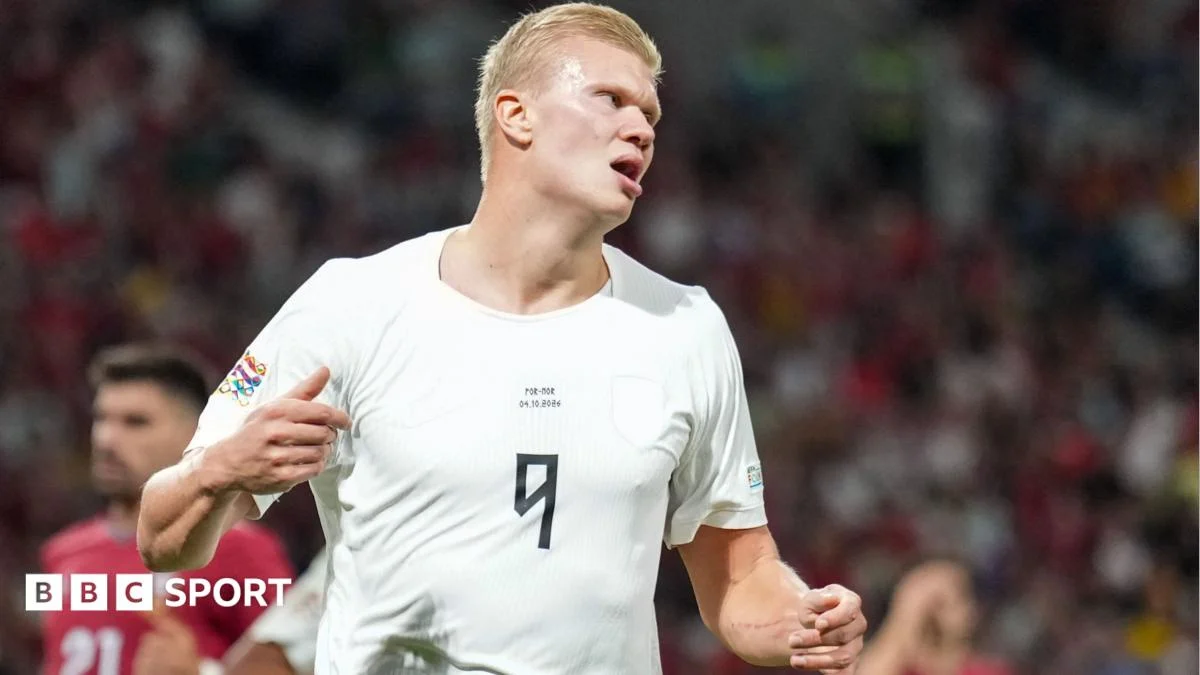
An extended international break designed with player welfare in mind is under review regarding its effectiveness and impact on injury concerns and player engagement, according to BBC Sport.
The break was implemented to address player welfare issues including injury risks and fatigue, but questions remain whether the additional time off has resolved these concerns or introduced new challenges such as boredom or scheduling complications.
KEY FACTS
- Player welfare was the stated purpose of the extended international break.
- Injury worries were cited as a key concern prompting the break.
- Boredom was mentioned as a potential side effect of the extended break.
- BBC Sport reports on the ongoing evaluation of the break’s success.
- The outcome of the break remains a topic of discussion among football stakeholders.
Was the extended break necessary for player safety?
The extended international break was introduced to prioritize player welfare amid growing concerns about fixture congestion and injury rates across domestic and international competitions. Football authorities have long grappled with balancing competitive demands against the physical and mental health of athletes who face relentless schedules throughout the year. Extended breaks between match cycles are intended to provide recovery time that could reduce the likelihood of soft-tissue injuries and chronic fatigue.
However, critics argue that longer breaks may disrupt rhythm and preparation routines essential for peak performance. Some coaches suggest that maintaining regular playing intervals helps sustain fitness levels better than prolonged rest periods followed by sudden high-intensity exertion. The effectiveness of such measures often depends on individual player profiles, team strategies, and medical protocols tailored to each athlete’s needs.
How has the extended break affected player engagement?
Mental health and psychological readiness form crucial components of holistic player care, yet they are harder to measure than physical metrics like sprint speed or hydration status. Prolonged time away from structured training environments can lead to feelings of isolation or loss of purpose among some individuals, particularly younger athletes still adapting to professional lifestyles. Clubs and national teams invest significantly in support systems including sports psychologists, nutritionists, and lifestyle managers whose roles become even more vital during non-competition phases.
While data-driven assessments continue to evolve, anecdotal feedback from players themselves offers valuable insight into lived experiences within elite football culture. Whether extended breaks enhance or diminish motivation varies widely based on personal circumstances surrounding family life, career progression plans, and individual coping mechanisms developed through years of competitive exposure.
What will determine future changes to international breaks?
Decision-makers rely heavily on post-break analysis using performance indicators gathered before departure and after return. These include injury surveillance reports compiled jointly by club doctors and federation medical staff alongside subjective wellness questionnaires completed anonymously by participants. Long-term trends tracked over multiple seasons help identify patterns linking scheduling adjustments to injury prevalence rates and match outcomes across various leagues globally.
Stakeholder consultations involving player unions, coaching associations, and broadcast partners also shape policy decisions around calendar modifications. As commercial interests intersect with humanitarian considerations, finding equitable solutions becomes increasingly complex when stakeholders represent diverse geographic regions operating under different regulatory frameworks affecting labor rights and compensation structures.
What We Know — and What We Don’t
Verified by the source:
- Player welfare motivated the extended international break introduction.
- Injury worries were part of the rationale behind the change.
- Boredom emerged as a possible unintended consequence noted in discussions.
Still unconfirmed:
- Survival rate improvements linked directly to the break implementation.
- Quantifiable reduction in overall injury occurrences post-break.
- Consistent player satisfaction levels throughout the extended period.
Why It Matters
Ensuring athlete longevity protects investments made by clubs, sponsors, and fans while preserving competitive integrity across tournaments. When scheduling balances exertion with recovery effectively, entire ecosystems benefit economically and emotionally through sustained engagement with sporting events year after year.
What To Watch
Future iterations of international windows will likely reflect emerging evidence collected annually, though specific modifications await formal review processes involving all relevant parties.