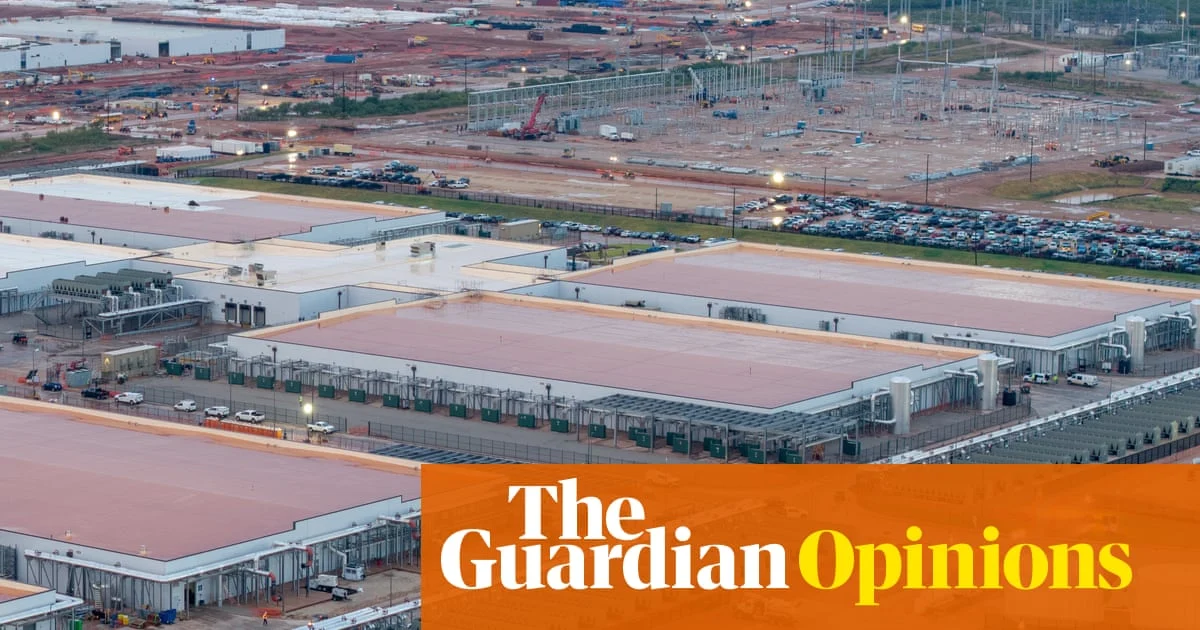
Fears of an AI debt bomb crisis triggered by massive datacenter investments are unfounded, according to financial experts who note key differences from past debt disasters. The rapid expansion of AI infrastructure by companies like Meta, Oracle, xAI and CoreWeave has sparked warnings about off-balance-sheet liabilities, but analysts argue the tech sector’s fundamentals and revenue potential distinguish this buildup from historical bubbles.
KEY FACTS
- Major tech firms including Meta, Oracle, xAI and CoreWeave are investing billions in datacenter construction
- Some experts warn about unrecorded long-term debt obligations from these projects
- The situation differs from past financial crises like Enron, according to analysis
- Risks are considered recoverable rather than systemic
HOW IS THIS DIFFERENT FROM PAST CRISES?
The current AI debt bomb concerns stem from how companies account for datacenter investments rather than fraudulent accounting practices that brought down firms like Enron. Unlike the dot-com bubble or 2008 financial crisis, these infrastructure projects support actual revenue-generating services with measurable demand. The debt structures also typically involve secured financing tied to physical assets rather than speculative derivatives.
WHAT ARE THE REAL RISKS?
While the scale of investment warrants scrutiny, the primary concerns involve timing and utilization rather than solvency. The hyperscale nature of modern datacenters means they require massive upfront capital before generating returns. However, cloud computing and AI services have demonstrated reliable revenue streams that can service this debt over time, unlike the phantom profits of past collapses.
WHAT WE KNOW — AND WHAT WE DON’T
Verified by the source:
- Major tech companies are raising billions for datacenter construction
- Some debt obligations aren’t appearing on balance sheets
- Experts compare this to previous financial crises but find important differences
Still unconfirmed:
- Exact dollar amounts of off-balance-sheet obligations
- Specific accounting methods being used
- Projected timelines for ROI on these investments
WHY IT MATTERS
Understanding the true nature of tech infrastructure debt helps investors and policymakers distinguish between prudent growth investments and reckless speculation. The AI industry’s expansion depends on these capital-intensive projects, making accurate risk assessment crucial for sustainable development.
WHAT TO WATCH
Regulatory scrutiny of tech financing methods may increase if debt levels continue rising without transparent accounting. The industry’s ability to convert these investments into profitable services will ultimately determine whether concerns were justified.