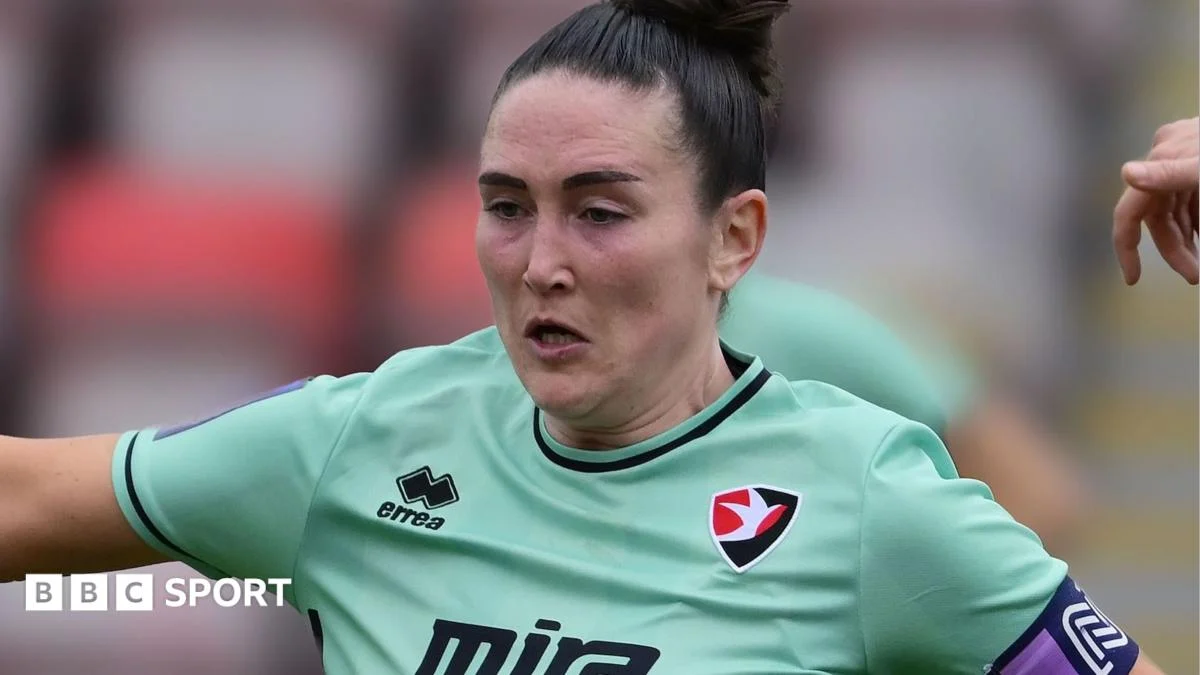
A former Cheltenham captain has publicly alleged that the women’s football club operated like a ‘dictatorship’ during her time there, speaking out shortly after her departure from the team was confirmed.
Emily Owen made the allegations after her exit from Cheltenham Town’s women’s side was announced this week, according to BBC Sport. The broadcaster did not provide additional context about specific incidents or individuals involved.
Key Facts
- Emily Owen is a former Cheltenham captain.
- She made the allegations after her departure was announced.
- She described the club as operating like a ‘dictatorship’.
- BBC Sport reported the claims.
- No further details about the allegations were provided.
What the Allegations Mean
Owen’s characterization of the club as a ‘dictatorship’ suggests she believes decision-making authority was concentrated in a small group rather than distributed widely across players and staff. However, BBC Sport offered no specifics about which decisions or policies prompted this description, leaving readers unable to assess the scope of her concerns.
Football clubs, particularly at lower tiers, often rely on hierarchical structures to maintain discipline and coordination. The distinction between firm leadership and authoritarian control can be subjective and depends heavily on how policies are communicated and enforced over time.
Without named policies, incidents, or responses from club officials, it remains unclear whether these comments reflect isolated frustrations or systemic issues within the organization.
How Did We Get Here?
Cheltenham Town announced this week that Emily Owen had departed from its women’s team, though the broadcaster did not specify whether her exit was mutual, forced, or voluntary. Her subsequent public comments appear to stem directly from her experience during her tenure with the squad.
Departure announcements in professional sports frequently prompt former members to reflect publicly on their time with an organization—sometimes raising concerns about culture, management style, or internal practices. Whether Owen’s remarks represent an isolated personnel dispute or broader dissatisfaction among teammates cannot yet be determined.
The lack of official response from Cheltenham Town or any governing body means there is currently no counter-narrative to her assertions, making it difficult to evaluate the credibility or extent of the claimed problems.
What We Know — and What We Don’t
Verified by the source:
- Emily Owen previously captained Cheltenham Town’s women’s team.
- Her departure from the club was announced by Cheltenham Town this week.
- She told BBC Sport the club functioned like a dictatorship during her tenure.
- BBC Sport published her statements without additional commentary or attribution to other sources.
Still unconfirmed:
- The exact nature of the decisions or behaviors Owen characterized as dictatorial.
- Whether her departure resulted from conflict with club leadership.
- If other former or current players share her perspective.
- Any official response from Cheltenham Town or league authorities.
Why It Matters
Public claims about organizational culture in sports organizations carry weight because they raise questions about transparency, accountability, and the treatment of athletes—issues relevant not only to participants but also to fans and sponsors who support women’s football development. As leagues work to grow popularity and investment in the sport, addressing concerns about governance becomes central to retaining talent and building trust.
What To Watch
It remains to be seen whether Cheltenham Town will issue an official statement responding to these allegations. Further clarity may emerge if additional former players corroborate Owen’s account or if formal complaints lead to investigation by league officials.