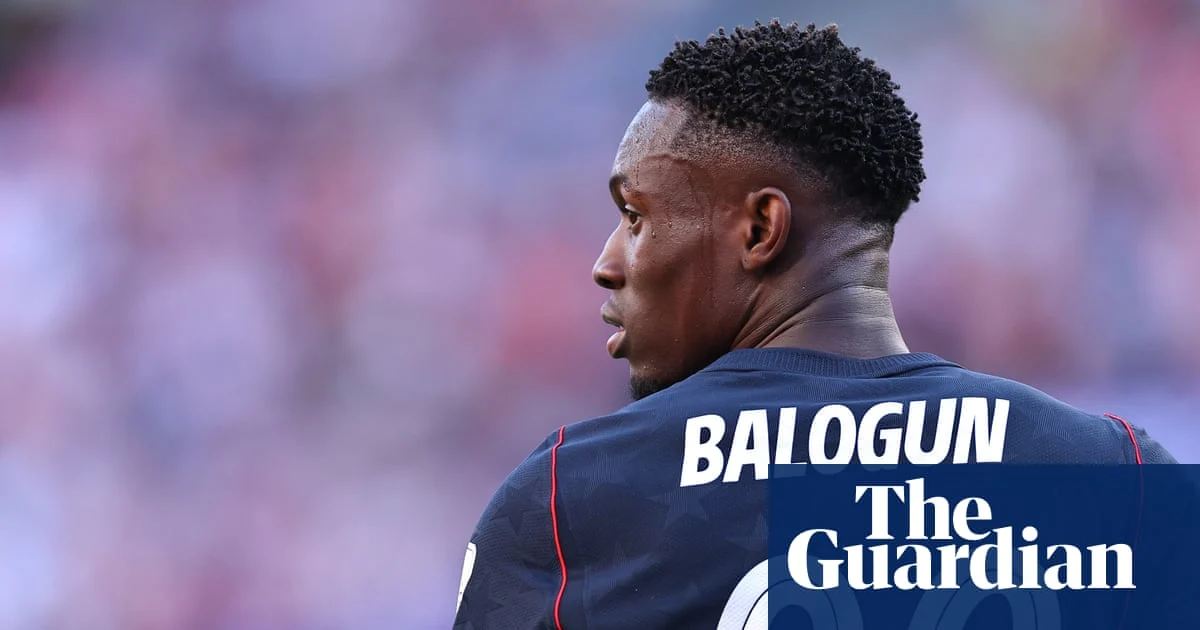
Everton’s attempt to sign US international Folarin Balogun collapsed late on transfer deadline day after issues arose during the striker’s medical. The £40m deal would have provided crucial attacking depth after the sales of Beto and Iliman Ndiaye earlier in the window, leaving manager David Moyes with just one recognized striker.
The late breakdown forced Everton into desperate last-minute attempts to secure alternative forwards. Proposed loan moves for Manchester United’s Joshua Zirkzee and Aston Villa’s Tammy Abraham were both rejected, leaving the Merseyside club short on options up front as the season begins.
Key Facts
- Everton agreed £40m deal for 25-year-old US striker Folarin Balogun
- Transfer collapsed due to issues during medical examination
- Club had already sold strikers Beto (Fiorentina) and Iliman Ndiaye (Manchester City)
- Loan enquiries for Zirkzee (Man United) and Abraham (Aston Villa) rejected
- Manager David Moyes now has only one senior striker available
What caused the deal to collapse?
The reported £40m move for Balogun fell through due to concerns identified during his medical examination, a standard procedure for high-value transfers. Medical issues can range from minor fitness concerns to more serious underlying conditions that clubs consider too risky for long-term investments.
Everton had apparently completed all other aspects of the deal, including agreeing terms with both the player and his former club, before the late medical setback. The timing proved particularly damaging as it occurred too late in the window to properly identify and secure alternative targets.
How does this affect Everton’s season?
With only one senior striker available, Everton face serious depth issues in attack for the first half of the Premier League campaign. Squad rotation becomes nearly impossible in the striker position, increasing injury risks and limiting tactical flexibility.
The situation highlights the financial constraints Everton face in the transfer market. The club needed to sell players like Beto and Ndiaye to fund the Balogun move, leaving them vulnerable when the deal collapsed. Without adequate striking options, Everton’s ability to compete effectively in multiple competitions becomes significantly compromised.
What We Know – and What We Don’t
Verified by the source:
- Everton agreed a £40m deal for Balogun that collapsed due to medical issues
- The club sold Beto to Fiorentina and Ndiaye to Manchester City
- Loan approaches for Zirkzee and Abraham were unsuccessful
Still unconfirmed:
- Specific medical concerns that derailed Balogun’s transfer
- Financial details of proposed loan deals for other strikers
- Plans to address striker shortage outside transfer window
Why It Matters
This development leaves Everton dangerously short in a key position as they prepare for a demanding Premier League season. The inability to reinforce the squad following several sales raises questions about the club’s transfer strategy and financial health. Manager David Moyes now faces an uphill task to keep Everton competitive with limited attacking resources.
What To Watch
Attention now turns to how Everton will manage their striking options until the January transfer window opens. Manager David Moyes may need to promote youth players or adapt tactically to compensate for the lack of depth up front.