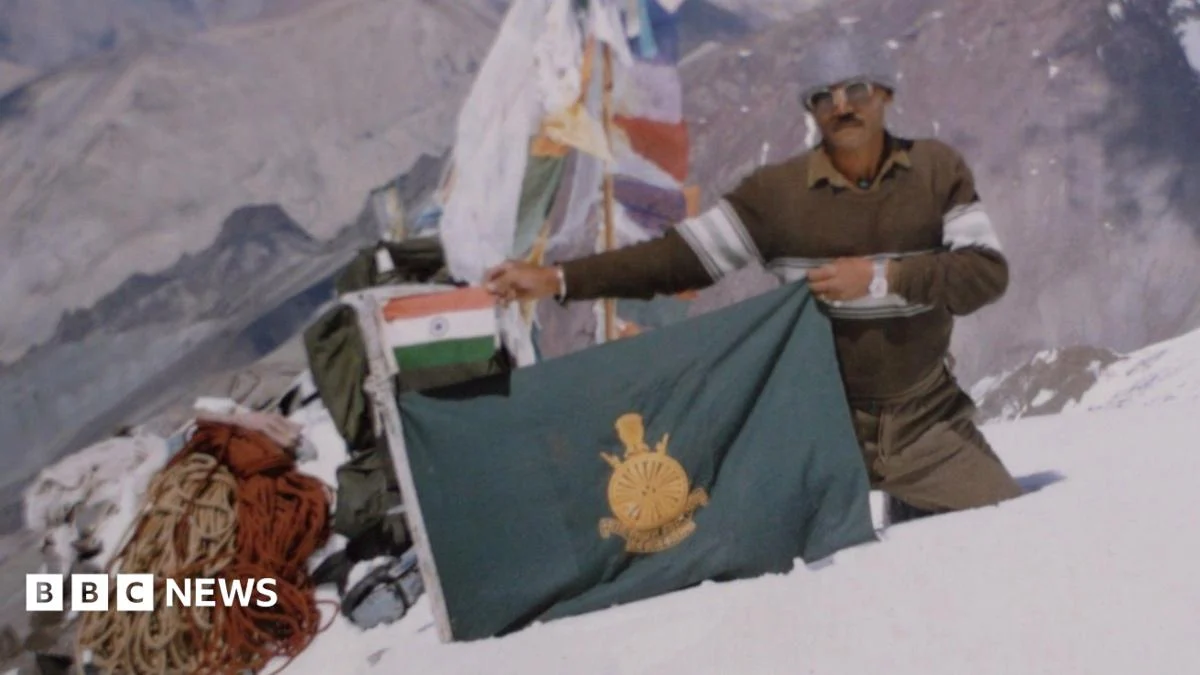
For three decades, the body of an Indian climber known as ‘Green Boots’ has remained frozen on Mount Everest, serving as a grim trail marker for those attempting to summit the world’s highest peak. Now, there are indications that his remains may finally be repatriated, according to BBC News.
The climber, identifiable by his lime-colored shoes, is believed to have perished during a 1996 expedition. His body has become one of the most recognizable landmarks on the mountain’s treacherous northern route.
KEY FACTS
- The climber known as ‘Green Boots’ has been on Everest for 30 years.
- His lime shoes made him a recognizable landmark for climbers.
- He was an Indian national, according to BBC News.
- His remains may now be brought home.
Why Has ‘Green Boots’ Remained on Everest?
Recovering bodies from Everest is exceptionally dangerous and costly due to the extreme altitude and harsh conditions. Most climbers who perish on the mountain are left where they fall, their bodies often becoming waypoints for future expeditions. ‘Green Boots’ is one of an estimated 200 bodies that remain on Everest.
What Does Repatriation Involve?
Bringing remains down from Everest requires specialized teams and favorable weather conditions. The process is physically demanding and carries significant risk, even for experienced climbers. If successful, it would mark a rare instance of a long-term Everest casualty being returned to their homeland.
WHAT WE KNOW — AND WHAT WE DON’T
Verified by the source:
- ‘Green Boots’ has been on Everest for approximately 30 years.
- He was an Indian climber who died during an expedition.
- His lime shoes made his body a recognizable landmark.
Still unconfirmed:
- The exact circumstances of his death.
- The timeline for potential repatriation efforts.
- Which organization or government is leading the recovery.
WHY IT MATTERS
The potential repatriation of ‘Green Boots’ highlights the ongoing ethical questions surrounding Everest casualties. While the mountain has claimed hundreds of lives, few remains are recovered due to the extreme challenges involved. This case could set a precedent for how climbers’ remains are handled in the future.
WHAT TO WATCH
Whether official recovery efforts are announced in coming months, and if weather conditions permit a safe retrieval operation during the limited climbing season. For more on Everest’s climbing challenges, see our climate and environment coverage.