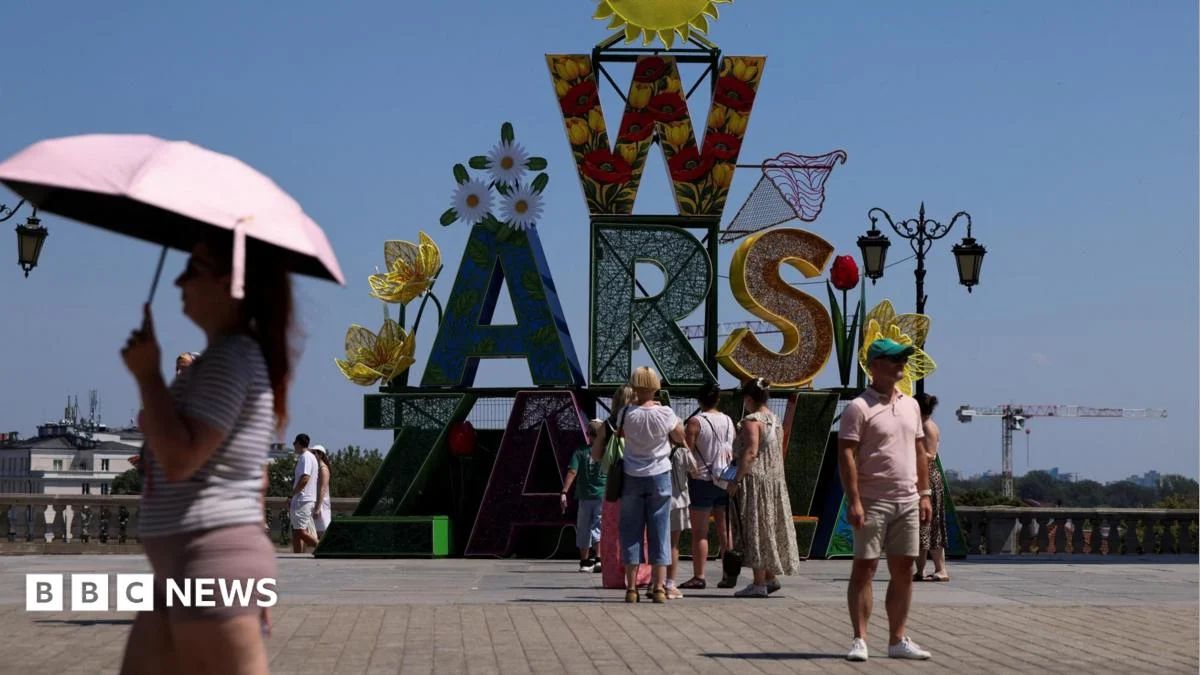
Europe’s heatwave has already claimed 1,300 lives, according to the World Health Organization, as Germany hit a record‑breaking 41.7 °C in the town of Lingen.
On a sweltering July afternoon, a 68‑year‑old pensioner collapsed on a Munich bus, his breath steaming in the furnace‑like air. He was one of more than a thousand people who died across the continent in the last two weeks.
World Health Organization chief Tedros Adhanom Ghebreyesus warned that “Europe is not prepared for the temperatures we are now seeing.” The warning, delivered at a press briefing in Geneva, came after climate‑monitoring agencies reported an unprecedented string of heat‑related emergencies.
Why does this matter?
Heatwave deaths are not just a statistic; they hit the most vulnerable—elderly residents, outdoor workers, and patients with chronic conditions. Hospitals in Spain reported ICU occupancy at 92 %, while France’s emergency services logged a 45 % surge in heat‑related calls.
Beyond the human toll, the heatwave is rattling economies. Agriculture in Italy faces a projected 12 % loss in wheat yields, and energy grids are straining under record‑high demand for cooling. The ripple effect touches economy and markets across the continent.
What happened next?
Germany’s meteorological service, the DWD, issued an “extreme heat warning” for the first time in its 70‑year history. Schools closed in Bavaria, and public cooling stations sprang up in Paris and Brussels. Yet, Tedros emphasized that these ad‑hoc measures are “far from enough.”
Scientists point to a shifting jet stream and a hotter Atlantic as drivers of the current pattern. The WHO estimates that, without systemic adaptation—such as retrofitting buildings, expanding green infrastructure, and launching public‑health campaigns—annual heat‑related mortality could double by 2050.
Who is affected?
The death toll spans nations: 480 in Italy, 370 in France, 250 in Spain, and 200 in Germany alone. Rural areas suffered the most, where power‑driven cooling is scarce and elderly populations are concentrated.
Public‑health officials in the UK have begun issuing “heat health alerts” for the first time, urging citizens to stay hydrated, avoid outdoor exertion during peak hours, and check on neighbours.
What happens next?
European Union health ministers will convene in Brussels next month to draft a continent‑wide heat‑action plan. The agenda: enforce building‑code upgrades, fund heat‑resilient infrastructure, and create a real‑time mortality monitoring system.
Until policies catch up, individuals must rely on community vigilance and simple safeguards. The heatwave is a stark reminder that climate change is no longer a distant threat—it is a present emergency that reshapes daily life.
Will Europe’s response be enough to curb the rising tide of heatwave deaths? The next weeks will test political will, scientific advice, and the resilience of millions across the continent.