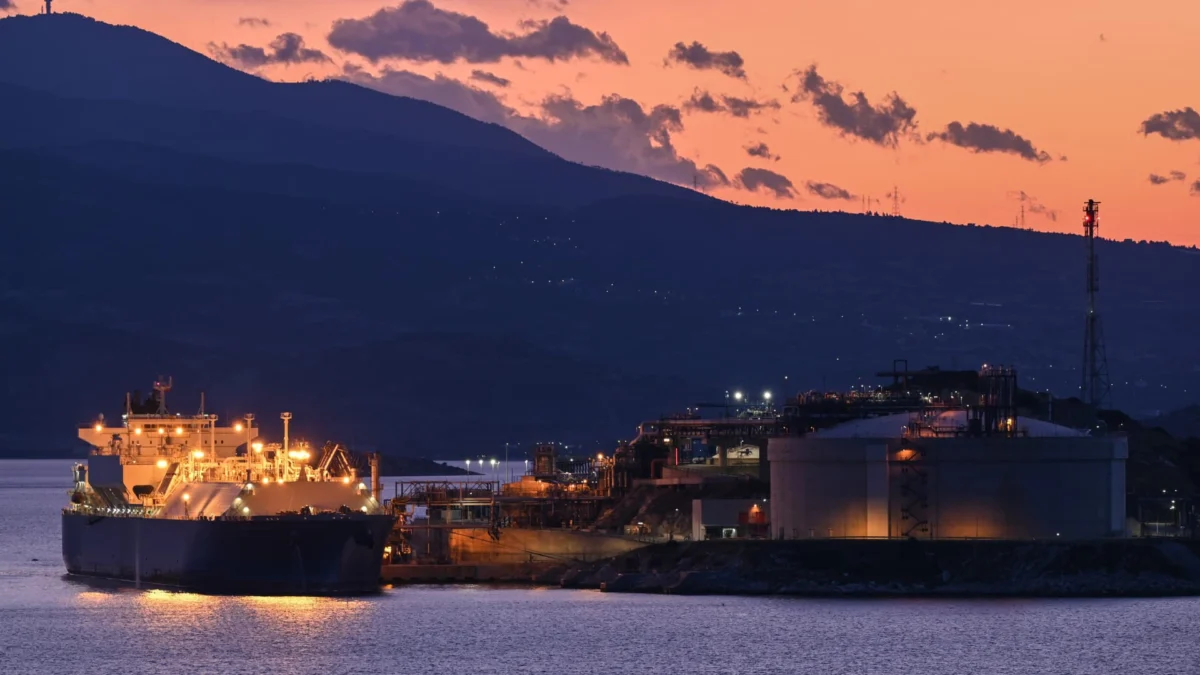
Europe faces a looming energy crisis as its gas storage facilities remain at historically low levels for this time of year, raising the risk of sharply higher prices during the coming winter months. According to US Top News and Analysis, the situation stems from disrupted liquefied natural gas (LNG) flows from the Middle East, a key supplier region for European energy markets.
The continent’s energy security depends heavily on maintaining adequate gas reserves to meet winter heating demand. With storage levels unusually low in late summer – typically the period for stockpiling fuel – concerns are growing about potential price volatility when cold weather arrives.
KEY FACTS
- Europe’s gas storage levels are historically low for this time of year
- Disrupted Middle East LNG flows are contributing to the shortage
- Prices could top 100 euros this winter
HOW DID WE GET HERE?
The current gas storage deficit follows a period of supply chain disruptions affecting LNG shipments from the Middle East to Europe. This region serves as a crucial source of liquefied natural gas, which European nations rely on to supplement domestic production and pipeline gas imports. The exact causes of the shipping disruptions remain unspecified in the report.
Historically, European countries use summer months to replenish underground gas storage facilities in preparation for increased winter demand. The current shortfall suggests this replenishment cycle has fallen behind schedule, though the report doesn’t specify by how much compared to historical averages.
WHAT HAPPENS NEXT?
If gas storage levels remain critically low, European energy markets could face significant price volatility when heating demand peaks in winter months. The report warns prices might exceed 100 euros per unit during this period, though it doesn’t specify which pricing benchmark it references.
Energy analysts typically monitor storage levels through organizations like Gas Infrastructure Europe, which publishes weekly inventory data. The coming weeks will show whether increased LNG shipments or reduced consumption can help narrow the storage deficit before winter.
WHAT WE KNOW — AND WHAT WE DON’T
Verified by the source:
- European gas storage is at historic lows for this time of year
- Middle East LNG flow disruptions are contributing to the situation
- Winter prices could exceed 100 euros
Still unconfirmed:
- Exact percentage of storage capacity currently filled
- Specific causes of LNG shipping disruptions
- Which European countries are most affected
- Which price benchmark might reach 100 euros
WHY IT MATTERS
Reliable gas storage levels help stabilize energy prices and prevent supply shortages during peak demand periods. With winter approaching, the current deficit raises concerns about energy affordability for households and industries across Europe, potentially impacting broader economic stability. The situation highlights Europe’s ongoing energy security challenges amid shifting global supply patterns.
WHAT TO WATCH
Markets will monitor whether European nations can accelerate gas inventory builds before winter, and whether alternative suppliers might offset Middle East LNG shortfalls. Policy responses from national governments or the EU could emerge if storage levels don’t improve.