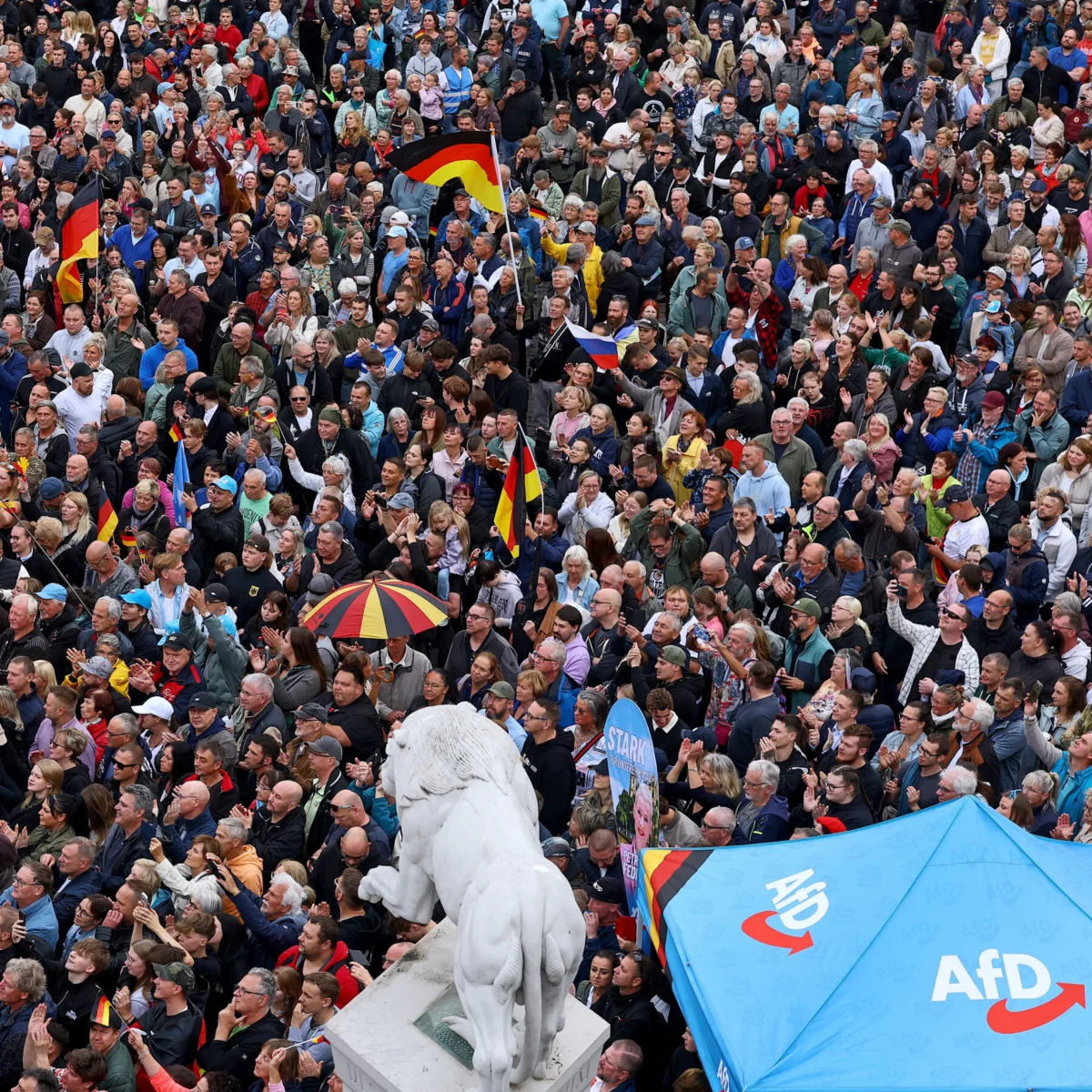
Far-right movements across Europe are gaining traction by foregrounding national identity and pride rather than revisiting historical grievances, appealing to voters who feel disconnected from modern life. This shift suggests that contemporary populism finds its strongest footing not in nostalgia for the past, but in promises of renewed belonging rooted in national identity.
By focusing on what it means to belong to a nation today, these movements offer clarity and direction to citizens who describe feeling adrift amid globalization, immigration, and technological disruption. The emphasis on national identity provides a unifying narrative that contrasts with the fragmentation many experience in daily life.
KEY FACTS
- Populist parties emphasize national identity and pride.
- This approach resonates with voters feeling socially disconnected.
- The focus avoids dwelling on historical wrongs of the past.
- Voters respond to messages of national renewal.
- The far right capitalizes on cultural disorientation.
National Identity Replaces Historical Guilt
Across several European countries, far-right parties have moved away from overt references to past conflicts or national shame, instead promoting a forward-looking vision centered on national identity. This strategic pivot allows them to broaden their appeal beyond traditionalist circles and attract younger voters or those previously uninterested in politics.
The messaging frames national identity as a source of stability and strength, particularly among communities experiencing economic strain or cultural shifts. Rather than asking voters to dwell on historical guilt, these parties invite them to embrace a shared sense of purpose tied to national identity. This reframing positions the far right as defenders of tradition and collective cohesion.
Who Is Affected by This Shift?
Voters who express feelings of alienation or disorientation in the face of rapid societal transformation are among those most responsive to far-right appeals grounded in national identity. This demographic includes individuals concerned about job security, cultural change, language preservation, and the pace of immigration.
Mainstream political parties are also affected, as they face pressure to adapt their own platforms to address concerns about national identity without adopting extremist positions. Educational systems and public discourse may evolve as institutions grapple with how to teach history and civic values in ways that acknowledge the past while engaging with present-day identity questions. The result is a political landscape increasingly shaped by debates over what it means to belong to a nation.
How Did We Get Here?
The rise of digitally connected media, cross-border migration, and economic restructuring has contributed to a widespread sense of instability that national identity-based rhetoric exploits. In this environment, far-right leaders present national identity as an anchor — a fixed point of reference amid perceived chaos.
While specific incidents or policies vary by country, the underlying pattern reflects a broader trend in European politics: a turn toward inward-looking narratives that prioritize national identity over international cooperation. Analysts note that this development is not uniform, with some regions showing resistance to such appeals, but the overall momentum favors parties capable of articulating a compelling vision of national renewal.
WHAT WE KNOW — AND WHAT WE DON’T
Verified by the source:
- Far-right movements focus on national identity and pride.
- This messaging resonates with voters feeling socially adrift.
- Historical guilt is downplayed in favor of present-day identity.
- The trend is observed across multiple European contexts.
Still unconfirmed:
- The exact electoral impact in individual countries remains unspecified.
- No polling data or vote shares are cited directly.
- It is unclear whether this shift is temporary or enduring.
WHY IT MATTERS
The prominence of national identity in far-right rhetoric reshapes how European democracies navigate questions of inclusion, heritage, and governance. As political discourse becomes more centered on who belongs, institutions must balance open societies with legitimate demands for cultural continuity.
WHAT TO WATCH
Future elections and legislative debates will reveal whether mainstream parties can effectively counter national identity narratives or must adjust their own messaging accordingly. The trajectory of far-right influence may depend on broader economic conditions and international events.