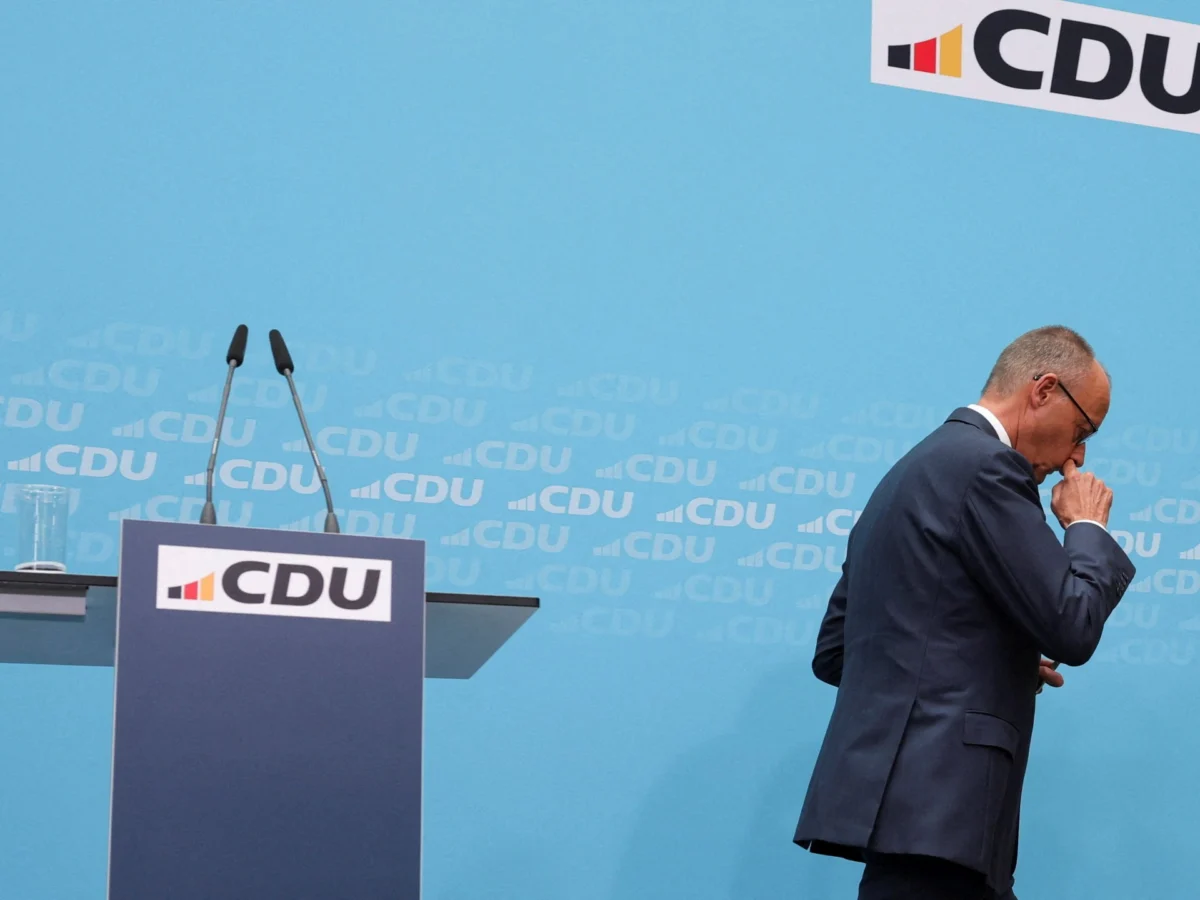
Europe’s centrists are now facing political pushback after years of enforcing strict austerity policies, according to an opinion piece published by Al Jazeera. The article argues that blind adherence to austerity by centrist leaders has left deep social scars across European nations.
The fallout stems from economic decisions made in the wake of earlier crises, where spending cuts and fiscal restraint became central tenets of governing coalitions. Critics say these austerity policies weakened public services and widened inequality.
Key Facts
- Europe’s centrist politicians are facing political consequences over austerity policies.
- The article claims austerity policies devastated European societies.
- The piece argues centrists adhered blindly to austerity measures.
- Critics say austerity harmed public services and increased inequality.
How Did We Get Here?
Austerity policies became a dominant response to economic downturns in Europe following financial shocks in the late 2000s and early 2010s. Governments across the continent implemented sharp spending cuts aimed at reducing budget deficits.
These austerity policies touched sectors like healthcare, education, and social welfare. Supporters long argued such measures restored fiscal discipline, while opponents blamed them for deepening hardship.
The article frames the current moment as centrist leaders being held accountable, suggesting a shift in voter sentiment against parties that championed austerity.
Who Is Affected?
Across Europe, communities that relied heavily on public services have borne the brunt of austerity policies. Unemployment, wage stagnation, and reduced access to care have reshaped daily life in many regions.
Young people and low-income households are often highlighted as particularly vulnerable to cuts tied to austerity. Educational institutions, healthcare systems, and unemployment benefits were among the first areas targeted.
While some economists defend the necessity of fiscal consolidation during crisis periods, others argue that austerity policies undermined long-term recovery and social stability.
What We Know — and What We Don’t
Verified by the source:
- The article is an opinion piece published by Al Jazeera.
- It argues that centrist leaders blindly adhered to austerity policies.
- It claims these austerity policies devastated European societies.
Still unconfirmed:
- Specific data or statistics on the impact of austerity policies are not cited.
- No names of individual politicians or governments are named in the summary.
- The broader public or electoral consequences described are not independently verified.
Why It Matters
The legacy of austerity policies continues to shape political landscapes across Europe, influencing elections and party platforms. Understanding how these decisions affected societies helps explain rising populism and calls for economic justice.
What To Watch
Future electoral outcomes may reveal whether voters continue to punish parties associated with austerity policies. Economic indicators and public opinion trends could also signal shifts in policy direction.
Europe’s austerity policies remain a contested topic in debates over fiscal responsibility and social equity.