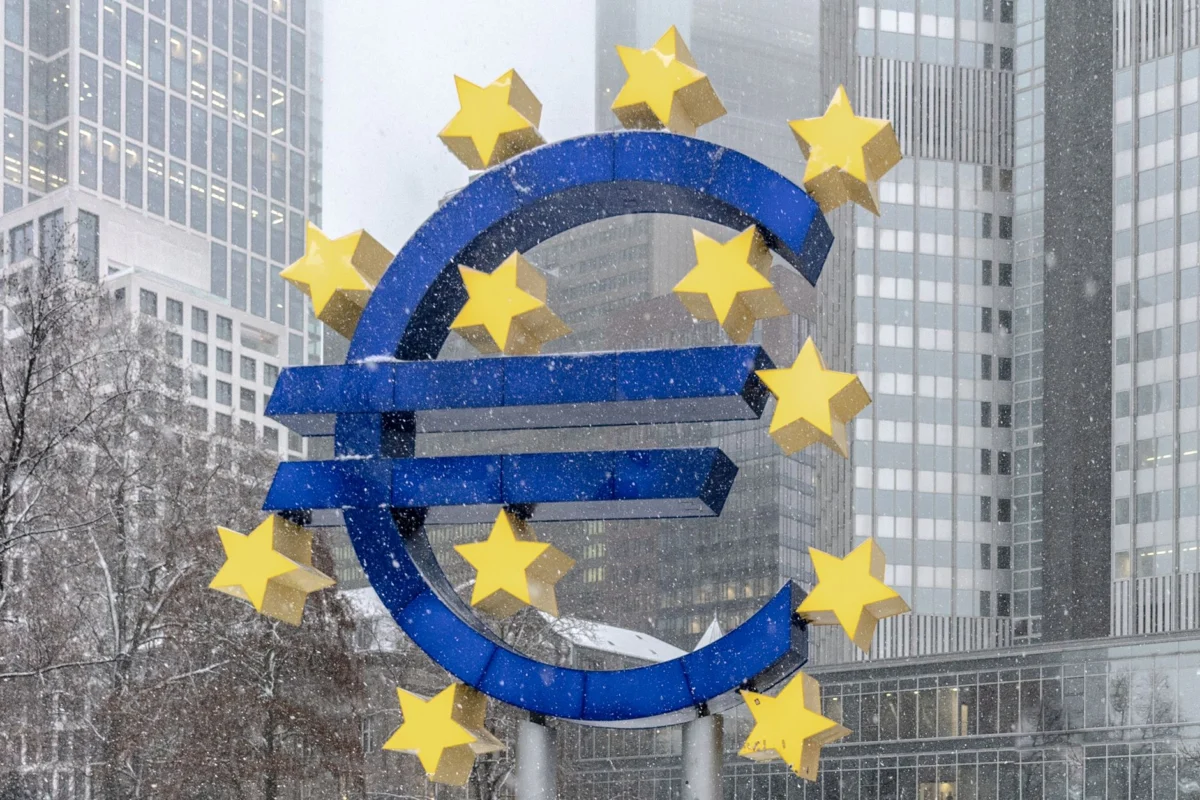
European central bankers are growing increasingly concerned about the possibility of more turbulence in their already tense relations with the United States, according to a recent Reuters report.
The dynamics between U.S. and European financial policymakers have been strained in recent years, with differences emerging on trade, monetary policy, and financial regulations. These tensions could impact global markets and economic stability.
KEY FACTS
- Europe's central bankers fear more turbulence in relations with the U.S.
- The current state of U.S.-European relations is described as 'testy'.
- These concerns come amid existing financial and geopolitical tensions.
WHAT ARE THE CONCERNS?
The primary worry among European central bankers is that the already strained relations with their U.S. counterparts could deteriorate further. This comes at a time when coordinated financial policies are particularly important for maintaining global economic stability. Previous disagreements over trade policies and financial regulations have created friction in these critical relationships.
WHY NOW?
The timing of these concerns is significant as both economies face inflation challenges and the need for monetary policy coordination. Diverging approaches to these issues could exacerbate existing tensions. Historical tensions over trade policies and banking regulations may be contributing to current apprehensions.
WHAT WE KNOW — AND WHAT WE DON'T
Verified by the source:
- European central bankers have expressed concerns about future turbulence in U.S. relations
- The current state of relations is characterized as 'testy'
Still unconfirmed:
- Specific actions that might worsen relations
- Which central bankers or institutions are most concerned
- Potential economic impacts of further deterioration
WHY IT MATTERS
Stable international financial relations are crucial for global economic stability. Increased tension between these major economic powers could affect markets worldwide, potentially impacting everything from currency values to investment flows.
WHAT TO WATCH
Observers should monitor upcoming policy announcements and any public statements from financial leaders in both regions for signs of worsening relations or potential reconciliation.