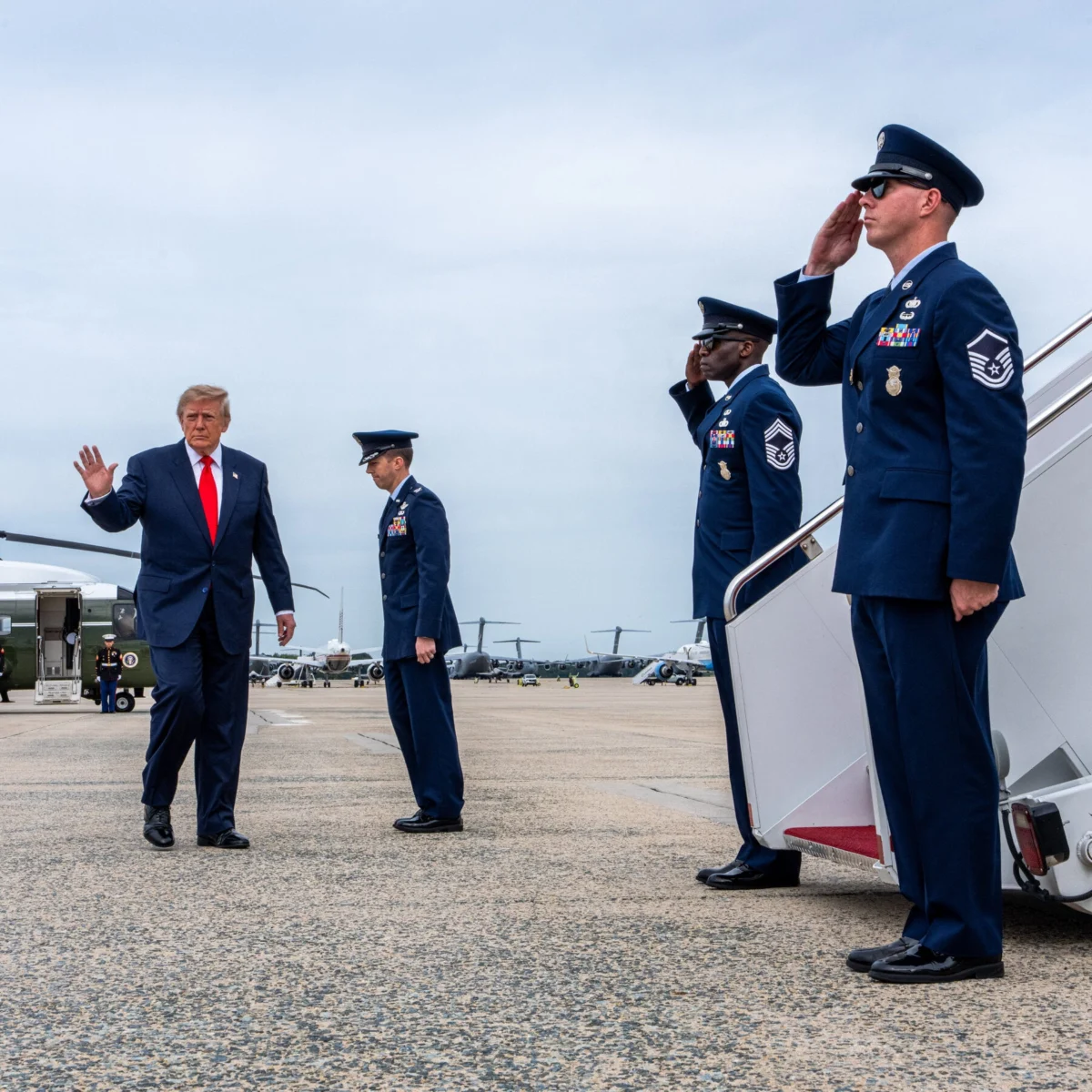
LEDE
European officials expressed shock and concern over a reported U.S.-Russia diesel deal, calling the development a diplomatic setback for Ukraine. The Trump-Putin diesel deal has drawn criticism, with Ukraine describing it as a gift to Russian President Vladimir Putin.
In response, European and British officials have coalesced around a cautious, unified diplomatic message. While no formal sanctions or policy changes have been announced, the reported agreement underscores ongoing tensions between Western allies and Russia, particularly in the context of the war in Ukraine.
The Trump-Putin diesel deal, if confirmed, would signal a shift in U.S. energy diplomacy and strain transatlantic solidarity. Officials have yet to provide detailed commentary on the agreement’s scope or implementation.
KEY FACTS
- European officials expressed concern over the Trump-Putin diesel deal.
- The Trump-Putin diesel deal was labeled a gift to Putin by Ukraine.
- Officials coalesced around a cautious diplomatic response.
- The agreement involves diesel as part of U.S.-Russia ties.
- Reports suggest the Trump-Putin diesel deal may affect Europe.
THE STORY
What the Trump-Putin diesel deal means for Europe
The Trump-Putin diesel deal has raised questions across Europe, where governments have long sought to balance energy needs with security concerns. A diesel agreement between the U.S. and Russia could undermine decades of Western coordination on energy policy and sanctions enforcement. Analysts have noted that such a deal would mark a departure from traditional transatlantic cooperation, particularly during wartime. European officials have responded not with overt criticism but with measured caution, reflecting uncertainty over the full scope of the agreement. The Trump-Putin diesel deal appears to have caught many allies off guard, prompting internal discussions at NATO and EU capitals.
Who is affected by the Trump-Putin diesel deal
Ukraine stands to be the most directly impacted by the Trump-Putin diesel deal, as its leaders have already condemned the reported agreement. Energy markets across Europe may also see shifts, depending on whether the deal alters existing supply chains. For U.S. and Russian stakeholders, the Trump-Putin diesel deal could open new revenue streams and deepen bilateral ties. Meanwhile, ordinary citizens in both regions may feel indirect effects through changes in fuel prices or policy priorities. The broader geopolitical implications remain unclear, with experts urging restraint until more facts emerge.
How did we get here
Speculation around the Trump-Putin diesel deal first surfaced in recent weeks, amid renewed U.S.-Russia dialogue on energy cooperation. The Trump-Putin diesel deal appears to stem from diplomatic overtures aimed at strengthening economic ties. Analysts have linked the timing to ongoing conflicts in Eastern Europe, where energy dependencies remain a sensitive topic. The Trump-Putin diesel deal has added complexity to NATO’s stance on collective defense. With limited official confirmation, observers are leaning on fragmentary reports to piece together the deal’s potential consequences.
WHAT WE KNOW — AND WHAT WE DON’T
Verified by the source:
- European officials reacted with concern to the reported Trump-Putin diesel deal.
- Ukraine described the agreement as a gift to Putin.
- Officials in the U.K. and Europe issued a cautious joint diplomatic message.
- The Trump-Putin diesel deal involves cooperation between the U.S. and Russia.
Still unconfirmed:
- The exact terms and timeline of the Trump-Putin diesel deal.
- Which U.S. or Russian officials authorized the agreement.
- Whether formal contracts have been signed under the Trump-Putin diesel deal.
- How the Trump-Putin diesel deal will affect existing sanctions regimes.
- Whether other Western nations support or oppose the Trump-Putin diesel deal.
WHY IT MATTERS
The Trump-Putin diesel deal touches on core issues of energy security and international alliances. As Europe seeks to reduce reliance on Russian energy, a new U.S.-Russia pact could complicate those efforts. For readers concerned about global stability, the Trump-Putin diesel deal signals a potential realignment in foreign policy that could reshape markets and military readiness. The stakes are high, especially as democratic nations grapple with balancing pragmatic partnerships and strategic principles.
WHAT TO WATCH
Further developments may include formal statements from the U.S., EU, or NATO. Analysts expect clarity on whether the Trump-Putin diesel deal will face legislative or regulatory pushback. Stay tuned for updates as more information becomes available.