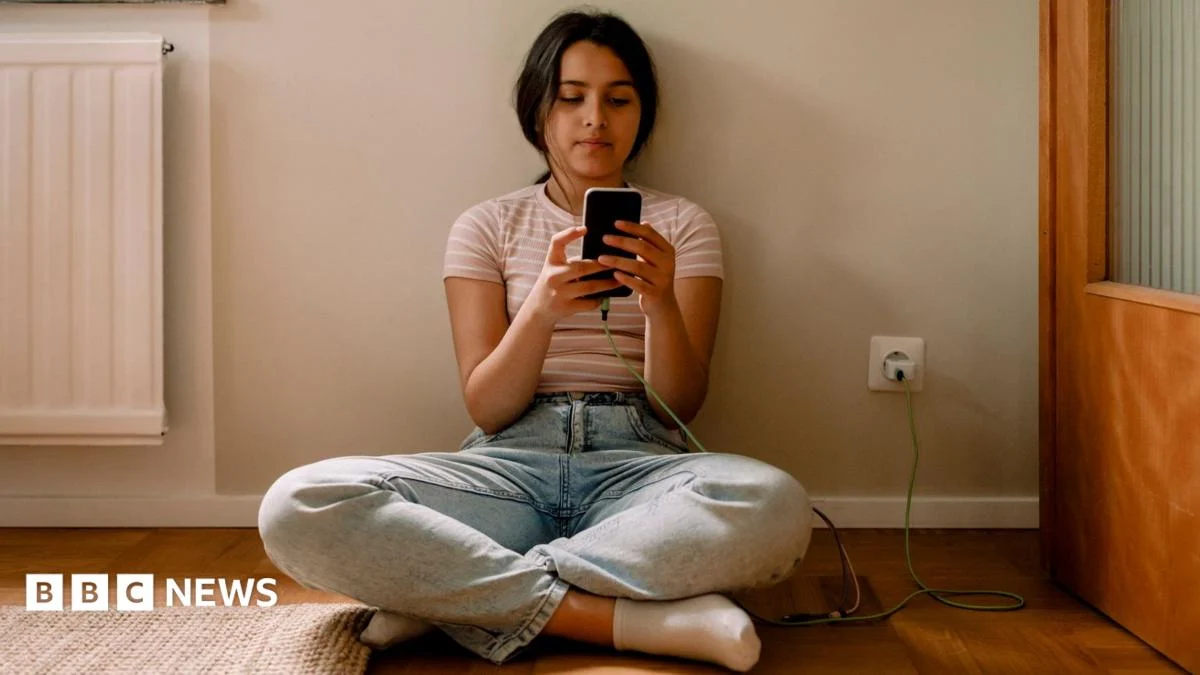
The European Union has announced plans to restrict social media access for under-15s, under proposals that would mean only children over the age of 15 could set up their own social media accounts. The move is part of wider efforts to regulate digital platforms and protect young users from harmful online content. The announcement comes amid growing global scrutiny of tech companies’ responsibilities toward minors on their platforms.
The proposed restriction targets one of the most contentious areas of digital policy in recent years. Governments and parents alike have raised concerns about the impact of social media on children’s mental health, privacy, and exposure to inappropriate material. By raising the minimum age for independent account creation, the EU aims to strengthen safeguards already applied to younger users under existing data protection laws.
KEY FACTS
- The EU plans to restrict social media access for under-15s.
- Only children over 15 would be allowed to set up their own social media accounts.
- The measure is intended to protect minors from harmful online content.
- The plan aligns with broader digital regulation goals in the EU.
What Happens Next?
The proposal now moves into formal consultation and legislative drafting stages within EU institutions. If adopted, the rules would likely require tech platforms to implement age-verification systems to enforce the new minimum age threshold. Similar restrictions have already been explored or implemented in other jurisdictions, including parts of the United States and the United Kingdom, though approaches vary widely.
Meanwhile, industry groups have warned that stricter age limits could raise technical challenges for enforcement, particularly around verifying users’ ages without compromising privacy. Privacy advocates have welcomed the initiative but cautioned that blanket age-based cutoffs may not address deeper structural issues tied to algorithmic recommendation systems or targeted advertising aimed at youth.
Who Is Affected?
Children aged 13 to 14 currently represent a significant portion of social media users globally, often signing up with parental consent or through platforms’ own age-gating tools. Parents and caregivers are expected to play a more central role under the new framework, potentially overseeing underage children’s online activity until they cross the permitted threshold.
The policy also reflects shifting attitudes among voters and lawmakers who view childhood screen time as a public health concern. Recent surveys suggest strong public support across Europe for tighter controls on youth engagement with social media platforms.
HOW DID WE GET HERE?
Debate over social media access for minors has intensified following high-profile testimonies from former tech executives and research linking heavy usage during adolescence to increased risks of anxiety and depression. Regulators have increasingly framed digital safety as a frontier issue requiring proactive oversight rather than reactive measures after harm occurs.
EU lawmakers previously introduced landmark legislation like the Digital Services Act and General Data Protection Regulation (GDPR), both of which laid groundwork for enhanced user protections online. This latest proposal builds on those precedents while narrowing focus specifically on age-appropriate design and access controls for children.
WHAT WE KNOW — AND WHAT WE DON’T
Verified by the source:
- The EU plans to restrict social media access for under-15s.
- Children over 15 would be able to create their own accounts independently.
- The goal includes protecting minors from harmful online content.
- The initiative forms part of larger EU digital regulation strategies.
Still unconfirmed:
- No specific timeline or legislative date provided.
- Details about enforcement mechanisms remain unspecified.
- Which exact platforms will face these requirements unclear.
- Whether exceptions exist for educational or parental supervision contexts unknown.
WHY IT MATTERS
As digital spaces become integral to daily life, regulating how young people engage with them has emerged as a cross-cutting priority influencing everything from mental health outcomes to civic discourse. Policies shaping social media access for teens carry implications far beyond individual households, touching questions of freedom, developmental science, and corporate accountability.
WHAT TO WATCH
Further developments depend on how EU member states negotiate internal differences during upcoming negotiations, along with responses from major tech companies whose business models rely heavily on teen engagement. Industry stakeholders have yet to issue official statements regarding the proposal at this stage.