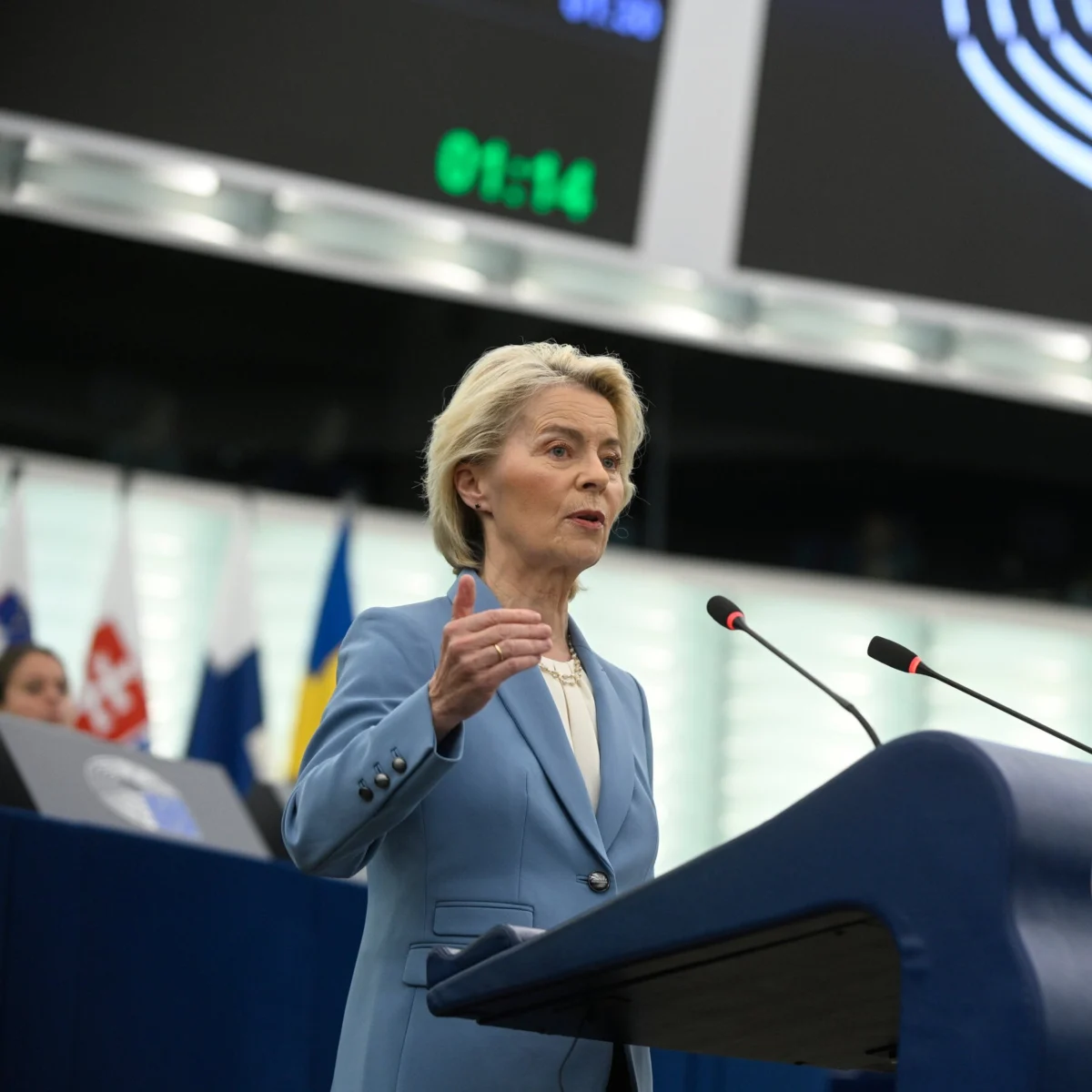
The European Union is weighing tougher trade measures as negotiators prepare to meet Chinese officials in Beijing, indicating that trade tensions between the two sides are intensifying. Surging exports from China are pressuring key industries within Europe, prompting Brussels to consider a stronger response. These developments come as diplomatic and commercial relationships hang in the balance.
The upcoming talks in Beijing will likely focus on market access, subsidies, and reciprocal trade practices. European officials have voiced growing concern over what they describe as unfair competitive advantages enjoyed by Chinese firms, particularly in sectors deemed strategically important. Analysts note that the outcome of these negotiations could reshape economic ties across continents.
Key Facts
- The European Union is weighing tougher trade measures against China.
- Negotiators are preparing to meet Chinese officials in Beijing.
- Surging exports from China are pressuring key industries in Europe.
Trade tensions have built gradually over recent years, driven by imbalances in bilateral trade flows and differing regulatory frameworks. China’s rapid industrial expansion and export growth have created friction in markets where European producers struggle to compete. The European Commission has repeatedly emphasized the need for fair and reciprocal trade conditions, warning that unchecked practices could undermine economic stability. Behind these tensions lies a broader contest over technological leadership and supply chain dominance. As global trade patterns shift, both sides are recalibrating strategies to safeguard national interests while maintaining commercial ties. The stakes are high, with trillions in annual trade hanging in the balance.
What Happens Next?
The negotiations in Beijing represent a critical test of whether diplomatic engagement can resolve mounting trade disputes. A breakdown in talks could lead to unilateral tariffs or other protective measures from the European Union. Conversely, a breakthrough might open new avenues for cooperation on standards and market access. However, achieving consensus among EU member states proves challenging, as individual economies hold divergent interests. Germany, France, and Italy, for instance, rely heavily on Chinese manufacturing, yet domestic industries face increasing pressure from low-cost imports. Policymakers must balance these competing priorities carefully. Meanwhile, Chinese officials signal readiness to defend their trade practices, arguing that Western accusations lack merit. Observers expect the coming weeks to reveal whether compromise is possible or if confrontation becomes the default path forward.
Trade tensions affect more than boardrooms; they ripple through employment markets, consumer prices, and government budgets. Workers in manufacturing hubs across Europe watch nervously as factories scale back production or relocate operations. Consumers, too, may soon feel the pinch if import restrictions tighten and tariffs drive up costs. Governments find themselves caught between protecting domestic industries and preserving affordable goods for households. The broader implications touch on energy transitions, digital infrastructure, and agricultural markets—all sectors where China plays an increasingly dominant role. International partnerships hang in the balance as allies question whether unity is achievable amid conflicting agendas. The choices made now will echo for decades, shaping not only bilateral relations but also the architecture of global commerce itself.
What We Know — and What We Don’
Verified by the source:
- The European Union is considering tougher trade measures toward China.
- European negotiators are planning talks with Chinese officials in Beijing.
- Exports from China are surging and pressuring European industries.
Still unconfirmed:
- Specific sectors or products subject to potential EU trade actions.
- Exact timeline or outcomes expected from the Beijing negotiations.
- Names of EU negotiators or Chinese representatives involved.
- Quantitative data on export volumes or economic impact figures.
Major economies depend on stable trade relationships to sustain growth, job creation, and innovation. When trade tensions flare, confidence wavers across financial markets, investment decisions stall, and long–term planning grows uncertain. For the average citizen, disruptions manifest in higher prices, fewer choices, and reduced economic opportunities. Resolving differences through dialogue remains preferable to escalating into full-blown trade wars. Yet history shows that achieving lasting agreements requires compromise, transparency, and sustained diplomatic effort from all parties involved. The current moment offers a narrow window for deâ¬â®ades to prevent further deterioration of one of the world’s most important economic partnerships. Failure to act decisively risks leaving both regions vulnerable to external shocks and internal divisions that could reshape the global order for generations to come. Every stakeholder holds a piece of the solution, but finding common ground demands courage, foresight, and unwavering commitment from leaders on both sides today and tomorrow together.
Why It Matters
The outcome of these trade tensions influences everything from factory floors to family budgets, making balanced policy responses essential for securing prosperity and stability worldwide through inclusive negotiations aimed at fostering mutual understanding between nations involved in shared futures shaped by interdependence rooted deeply within evolving landscapes across continents stretching far beyond immediate concerns affecting local communities everywhere constantly adapting under pressures exerted externally via shifting dynamics constantly changing everywhere globally interconnected networks spanning oceans linking distant shores forever bound together through countless ties weaving tapestries richly diverse yet unified through commerce fostering peace cooperation hope future generations inheriting legacy built today.
What To Watch
Officials have yet to announce specific timelines or policy frameworks governing these negotiations. Markets will closely monitor whether either party signals willingness to compromise or escalate pressure through additional trade restrictions targeting sensitive industries across multiple sectors simultaneously affecting millions livelihoods directly tied into global supply chains dependent upon reciprocal arrangements ensuring fairness transparency accountability maintained throughout process moving forward indefinitely until resolution emerges naturally from collaborative dialogue emphasizing shared interests benefiting everyone concerned equally without exception whatsoever guaranteed through sustained engagement mutual respect trust building exercises conducted regularly between delegations representing diverse constituencies united in pursuit excellence beyond temporary setbacks inevitable during transitional periods preceding establishment new era cooperation based upon principles justice equity solidarity sustainability peace progress humanity advancement worldwide.