Lede: A mining company hoping to supply the European Union with rare earth materials within two years has urged that China’s dominant position in rare earth supply be ended, as global markets grow cautious ahead of a planned summit between U.S. President Donald Trump and Chinese President Xi Jinping.
The company’s leadership emphasized the strategic importance of diversifying rare earth supply chains, which are critical to industries ranging from automotive manufacturing to defense and renewable energy. With the Trump-Xi summit approaching, pressure is mounting on Beijing to avoid further restrictions on rare earth exports, a move that could disrupt global markets.
Key Facts
- The head of a mining company aiming to supply the EU said ending China’s rare earth supply dominance is ‘paramount’.
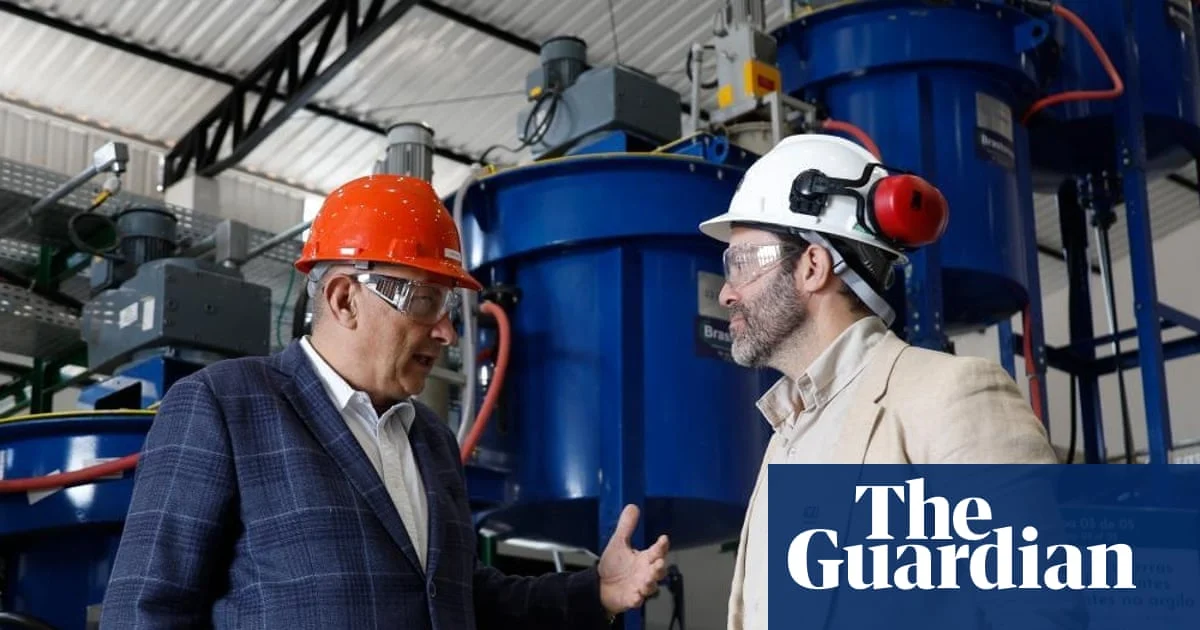
- The company has opened a demonstration plant in Brazil to support future rare earth production.
- The mining executive described the rare earth market as ‘nervous’ amid the upcoming Trump-Xi summit.
- He stated it is ‘imperative’ for Trump and Xi to negotiate a deal that prevents China from banning rare earth exports.
The Story
What Happens Next?
The Trump-Xi summit is expected to address ongoing trade tensions between the United States and China. The timing of the meeting coincides with growing concerns over China’s potential use of rare earth export controls as a geopolitical tool. Analysts suggest that any agreement reached could significantly influence global rare earth supply dynamics, particularly as Western nations seek to reduce dependency on Chinese sources.
For the mining company involved, securing a supply agreement with the EU would mark a major milestone in establishing alternative supply routes. The demonstration plant in Brazil represents a first step toward operational capacity, though scaling up production to meet commercial demands remains a challenge. The company’s timeline of two years for EU supply indicates ambitious planning but relies heavily on regulatory approvals and funding.
Who Is Affected?
Governments and industries worldwide that depend on rare earth elements are closely watching developments. These materials are essential for manufacturing high-tech products, including electric vehicles, smartphones, and defense systems. A disruption in Chinese rare earth supply could lead to price spikes and supply shortages, affecting manufacturers in the EU, the U.S., and other regions.
European policymakers have increasingly expressed concern over reliance on a single source for such a strategically important resource. Efforts to develop domestic or allied suppliers align with broader goals of economic resilience and national security. The outcome of the Trump-Xi talks may shape the urgency and scale of these diversification efforts.
How Did We Get Here?
China has long controlled the global rare earth supply, leveraging its position for diplomatic and economic advantage. Historical export restrictions and threats of supply cutoffs have prompted international calls for alternative sourcing. Previous attempts to establish non-Chinese rare earth industries have faced technical and financial hurdles, limiting success.
In recent years, renewed interest in supply chain security has led to increased investment in rare earth mining projects across Australia, the United States, and now Brazil. However, these ventures require substantial capital, regulatory clearance, and time to reach full output. Political support and government backing remain crucial for their viability.
What We Know — and What We Don’t
Verified by the source:
- The head of a mining company said ending China’s rare earth dominance is paramount.
- The company opened a demonstration plant in Brazil.
- The market is described as nervous due to the upcoming summit.
Still unconfirmed:
- The company’s name and specific identity were not disclosed in the source.
- The exact timeline and conditions for EU supply remain unverified.
- No official response from Chinese authorities was included.
Why It Matters
Rare earth elements are foundational to modern technology and defense infrastructure. Reducing dependence on a single supplier enhances global supply chain stability and protects economies from potential coercion or market volatility. As geopolitical rivalries intensify, securing reliable access to these resources becomes a matter of strategic national interest for many countries.
What To Watch
All eyes will be on the Trump-Xi summit to determine whether China commits to maintaining open rare earth trade. The progress of the Brazilian-based company’s project and its ability to meet the two-year EU supply target will be key indicators of shifting supply chains.