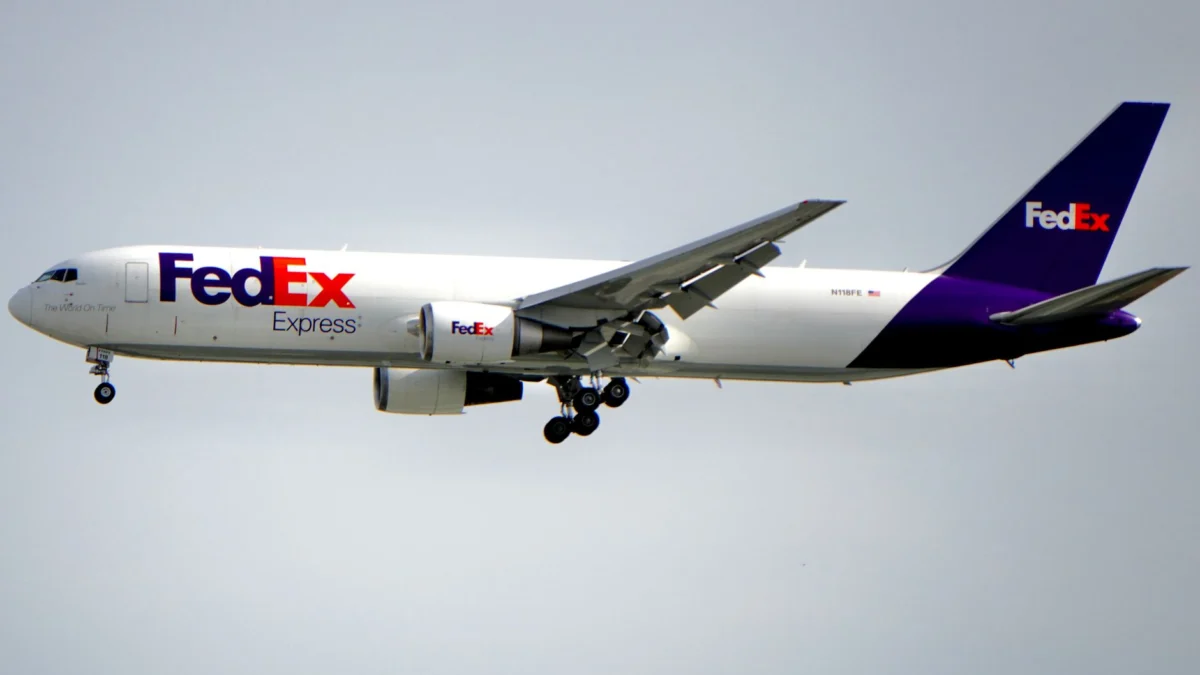
At 07:45 GMT, Air Express Algeria’s lone Boeing 737‑800 was grounded at Algiers‑Houari Boumediene Airport while EU officials slapped its name onto a rapidly growing blacklist.
The move brings the total of airlines barred from EU airspace to 154, spanning Africa, the Middle East, Asia and Russia.
What the EU blacklist now looks like
The latest update adds six carriers to the list: Air Express Algeria, Fly Baghdad, Iraqi Airways, Air Zimbabwe, Avior Airlines and Iran Aseman Airlines. All have been judged by the European Commission’s Air Safety Committee to fall short of the ICAO safety standards required for EU entry.
Since the blacklist was first introduced in 2006, it has grown in periodic bursts. This March’s expansion is the largest since 2020, reflecting heightened scrutiny amid geopolitical tensions and a surge in accident reports from the regions involved.
Why does this matter?
For travelers, the blacklist means tickets on these airlines cannot be sold for flights that start, end, or transit through any EU member state. Travel agencies and online platforms must automatically block bookings, and insurance premiums for affected routes often rise.
For airlines, the economic hit can be severe. A 2023 study by the European Aviation Safety Agency estimated that each blacklist entry costs an average carrier €12 million per year in lost revenue, re‑routing expenses, and reputational damage.
Governments in the listed countries have warned that the EU’s “politically motivated” action could hurt tourism and trade, especially as many of these airlines serve as the sole international link for remote regions.
Who is affected?
Passengers planning to travel from Algiers to Paris, Baghdad to Berlin, or Harare to Rome will need to book alternative carriers—often at higher price points. Cargo shippers also face longer transit times as freight is rerouted through non‑blacklisted airlines.
Airlines not on the list are watching closely. Aseman and Avior have begun intensive safety audits, hoping to overturn the ban before the next EU review in six months.
What happens next?
The EU Commission will monitor the six newly listed carriers for compliance. Airlines can appeal the decision, but the process is lengthy and requires demonstrable improvements in aircraft maintenance, pilot training, and regulatory oversight.
Meanwhile, travelers can check the official EU Air Safety List on the European Commission’s website before booking. Travel agencies are urged to update their systems promptly to avoid illegal sales.
For a broader view of how aviation safety policies intersect with geopolitics, see our war‑geopolitics coverage and economy and markets analysis.
As the EU tightens its net, the aviation industry faces a pivotal moment: improve safety standards or risk being left stranded outside Europe’s lucrative market.
Future updates will track whether any of the six airlines can regain access, and how the crackdown reshapes air travel patterns across the affected regions.