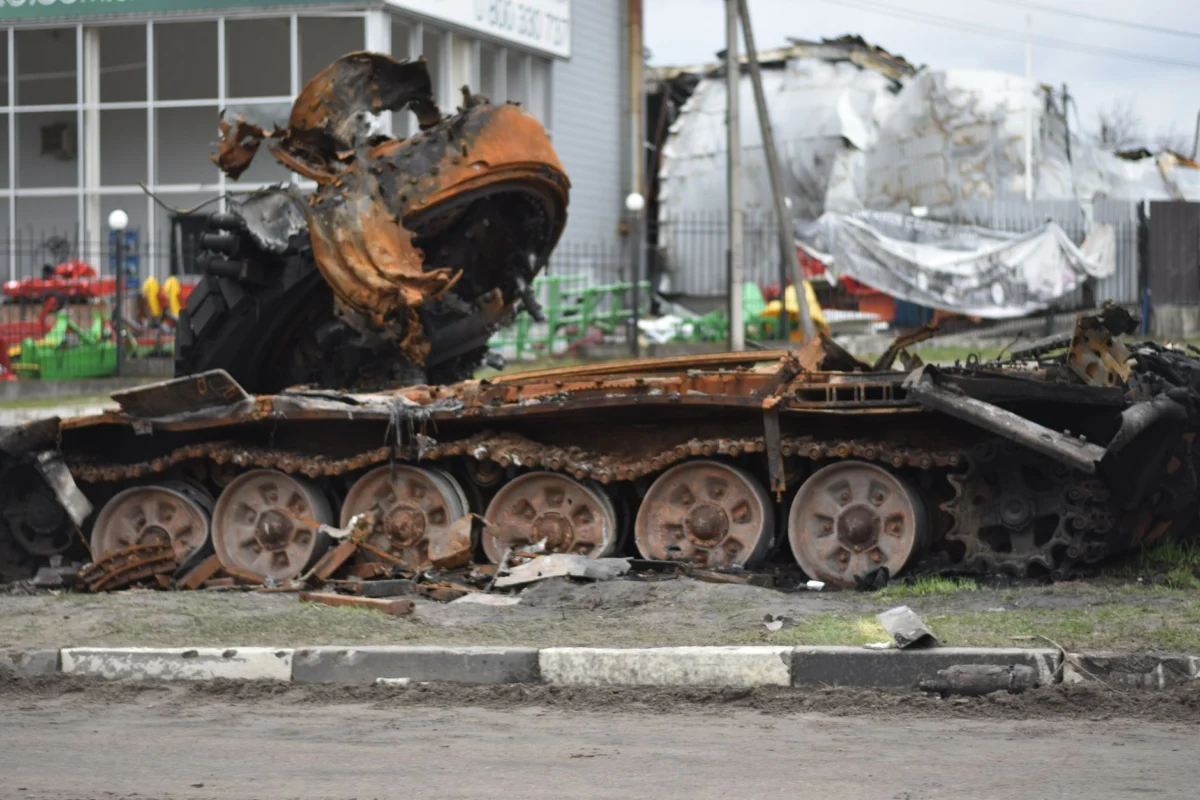
Escalating attacks between Ethiopian forces and Tigrayan rebels are raising fears that localized warfare could ignite or deepen existing conflicts across the Horn of Africa. As hostilities intensify along multiple fronts, regional analysts warn that the spillover could destabilize neighboring states already burdened by chronic instability. The fighting marks a fresh deterioration in a conflict that previously drew international attention for its humanitarian toll and geopolitical implications.
KEY FACTS
– Ethiopia fighting with Tigrayan rebels is escalating
– Attacks are spreading and intensifying
– Conflicts may intersect and deepen regional instability
– The Horn of Africa region is already mired in conflict
– Instability could extend beyond immediate borders
WHY THE FIGHTING MATTERS
The renewed escalation underscores how unresolved internal wars can become regional crises. For audiences unfamiliar with the geography or history, the term “Horn of Africa” refers to a subregion encompassing Ethiopia, Eritrea, Somalia, Djibouti and Eritrea, several of which have experienced civil unrest, separatist movements, or cross-border tensions for decades. When active hostilities expand from one theater to another, they often draw in allied militias, proxy militaries, or regional powers with competing interests.
HOW DID WE GET HERE?
The current wave of attacks builds on a long-standing dispute between Ethiopia’s federal government and the Tigray People’s Liberation Front, which controls substantial territory in northern Ethiopia. Previous rounds of negotiations, mediated by African Union envoys, failed to produce a durable ceasefire. Recent satellite imagery and diplomatic sources indicate increased artillery fire near disputed border zones. Without formal peace talks, both sides appear to be testing operational capabilities, potentially signaling preparations for larger offensives.
WHO IS AFFECTED?
Civilian populations bear the brunt of escalating violence, particularly in rural areas where healthcare infrastructure is sparse. Displacement camps in neighboring countries have already absorbed refugees from earlier phases of the conflict. Cross-border trade routes remain disrupted, affecting food supplies and market access for millions. Regional governments fear renewed refugee influxes may strain public services.
WHAT HAPPENS NEXT?
Observers note that military posturing alone does not guarantee full-scale war. However, the absence of verified diplomatic channels increases the likelihood of accidental escalation. Neighboring nations are quietly reinforcing border security measures while urging restraint through backchannel discussions.
WHAT WE KNOW — AND WHAT WE DON’
Verified by the source:
– Clashes involve Ethiopian state forces and Tigrayan rebel groups
– Violence has spread beyond initial confrontation zones
– Concerns exist about destabilization across the Horn of Africa
– Existing conflicts in the region complicate response efforts
Still unconfirmed:
– Exact number of casualties or injured parties
– Identity of specific military units involved
– Timeline for negotiations or mediation attempts
– Extent of foreign military involvement
– Official death tolls or civilian impact assessments
WHY IT MATTERS
This deterioration highlights how localized insurgencies can ripple outward, threatening not only national stability but also transnational security frameworks in the Horn of Africa. Global powers monitoring the area must weigh humanitarian concerns against strategic interests, as any major realignment could influence energy markets, migration flows, and counterterrorism operations throughout East Africa. Understanding these dynamics helps readers track emerging risks to global supply chains and diplomatic relations.
WHAT TO WATCH
Further developments depend heavily on whether either party agrees to formal truce negotiations. International mediators have yet to issue official statements, and no ceasefire timeline has been announced. Continued escalation—or unexpected diplomatic breakthroughs—would signal dramatic shifts worth following closely.