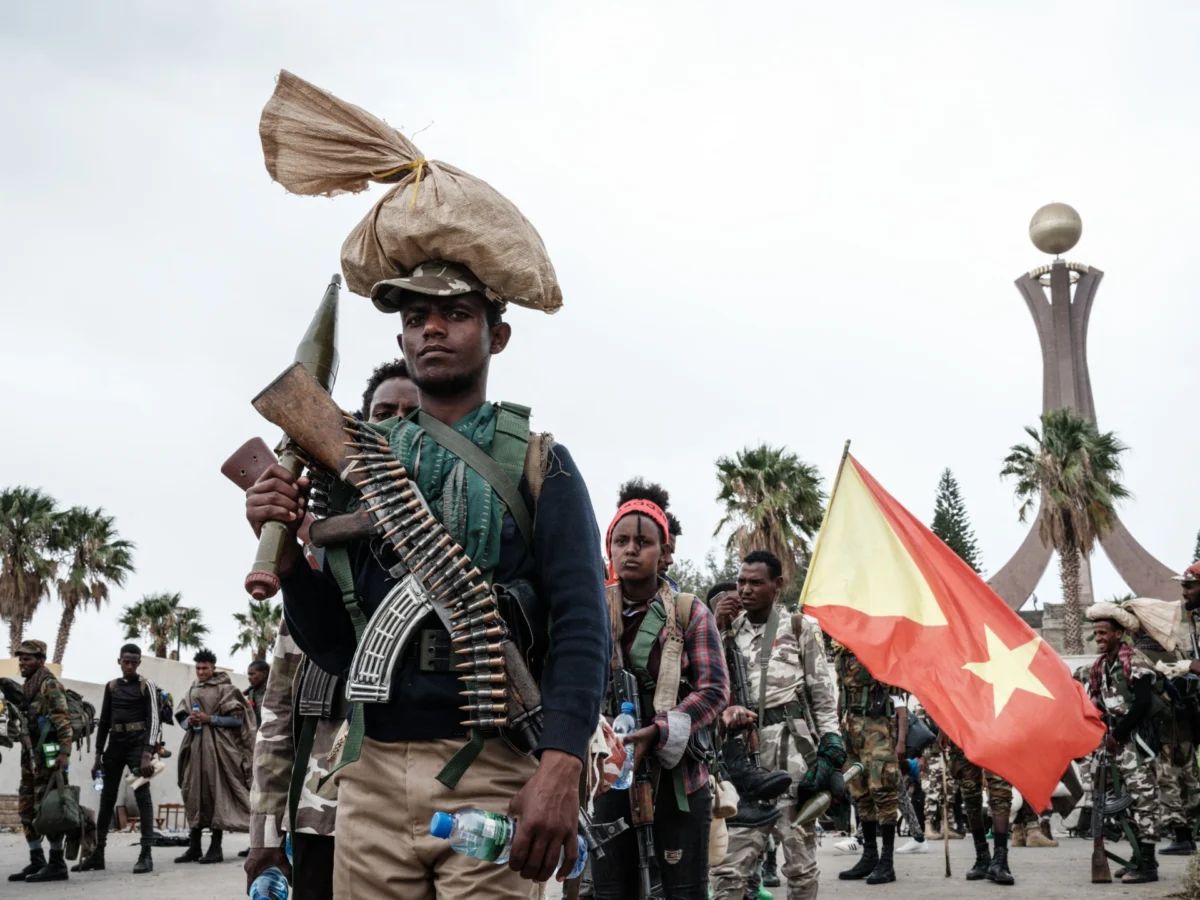
Lede
Ethiopia has accused Sudan and Egypt of backing Tigray rebels amid ongoing fighting, a charge both countries have rejected or questioned.
The Sudanese army denied supporting Tigray fighters and instead alleged that Ethiopia’s rival paramilitary, the Rapid Support Forces (RSF), is receiving backing from within Ethiopia. These competing accusations highlight the deep mistrust and shifting alliances surrounding the Ethiopia-Tigray conflict.
The violence underscores how the conflict continues to strain regional stability and diplomatic relations across the Horn of Africa.
Key Facts
- Ethiopia accuses Sudan and Egypt of backing Tigray rebels.
- Sudan army denies supporting Tigray fighters.
- Sudan says Ethiopia’s RSF receives support from within Ethiopia.
- Fighting continues between Ethiopian forces and Tigray rebels.
The Story
How Did We Get Here?
The Ethiopia-Tigray conflict began in late 2020 when the Tigray People’s Liberation Front (TPLF) clashed with federal government forces. Since then, the war has caused a severe humanitarian crisis and drawn in regional actors, including Sudan and Egypt.
Ethiopia’s latest accusation targets Sudan and Egypt, alleging they are providing military support to Tigrayan rebels. Such claims are sensitive because Sudan and Egypt have previously expressed concerns about Ethiopian actions in the region, particularly regarding water security and border tensions.
Sudan’s military response directly rejects the charge and turns the accusation inward, claiming Ethiopian internal divisions are aiding the RSF — a paramilitary group that has itself been involved in conflicts in neighboring countries.
What Happens Next?
With both sides trading blame, diplomatic channels may struggle to mediate a cessation of hostilities. The involvement of external actors increases the risk of broader escalation.
The RSF, led by Mohamed Hamdan Dagalo, has operated in Libya, Yemen, and elsewhere, often aligning with various factions depending on strategic interests. If Sudan confirms its stance publicly, it could prompt formal denials or counter-responses from Ethiopia. Meanwhile, Eritrea and other neighboring states may seek to prevent further spillover.
International observers are likely monitoring border crossings and communication lines to verify whether either side receives tangible military aid. Absent concrete evidence, these claims remain politically charged rather than legally substantiated.
What We Know — And What We Don’t
Verified by the source:
- Ethiopia has publicly accused Sudan and Egypt of supporting Tigray rebels.
- The Sudanese army denies any support for Tigrayan fighters.
- Sudan alleges that Ethiopia’s RSF is receiving domestic support within Ethiopia.
- Active fighting is ongoing between Ethiopian forces and Tigray rebels.
Still unconfirmed:
- No independent verification of Ethiopian claims about Sudanese or Egyptian involvement.
- Specific details about the nature or extent of alleged support remain undisclosed.
- It is unclear which specific factions or units are currently engaged in active combat.
- No timeline or casualty data was provided by the source.
Why It Matters
This exchange of accusations deepens mistrust in an already volatile region where conflicts often cross borders. The Ethiopia-Tigray conflict affects millions through displacement, famine, and refugee flows into Sudan and South Sudan. Regional powers like Egypt and Sudan play crucial roles as mediators or interveners, making their position in the conflict particularly consequential for long-term peace.
What To Watch
Watch for official responses from Sudan and Egypt confirming or denying Ethiopia’s accusations. Continued clashes may prompt renewed calls for international mediation.