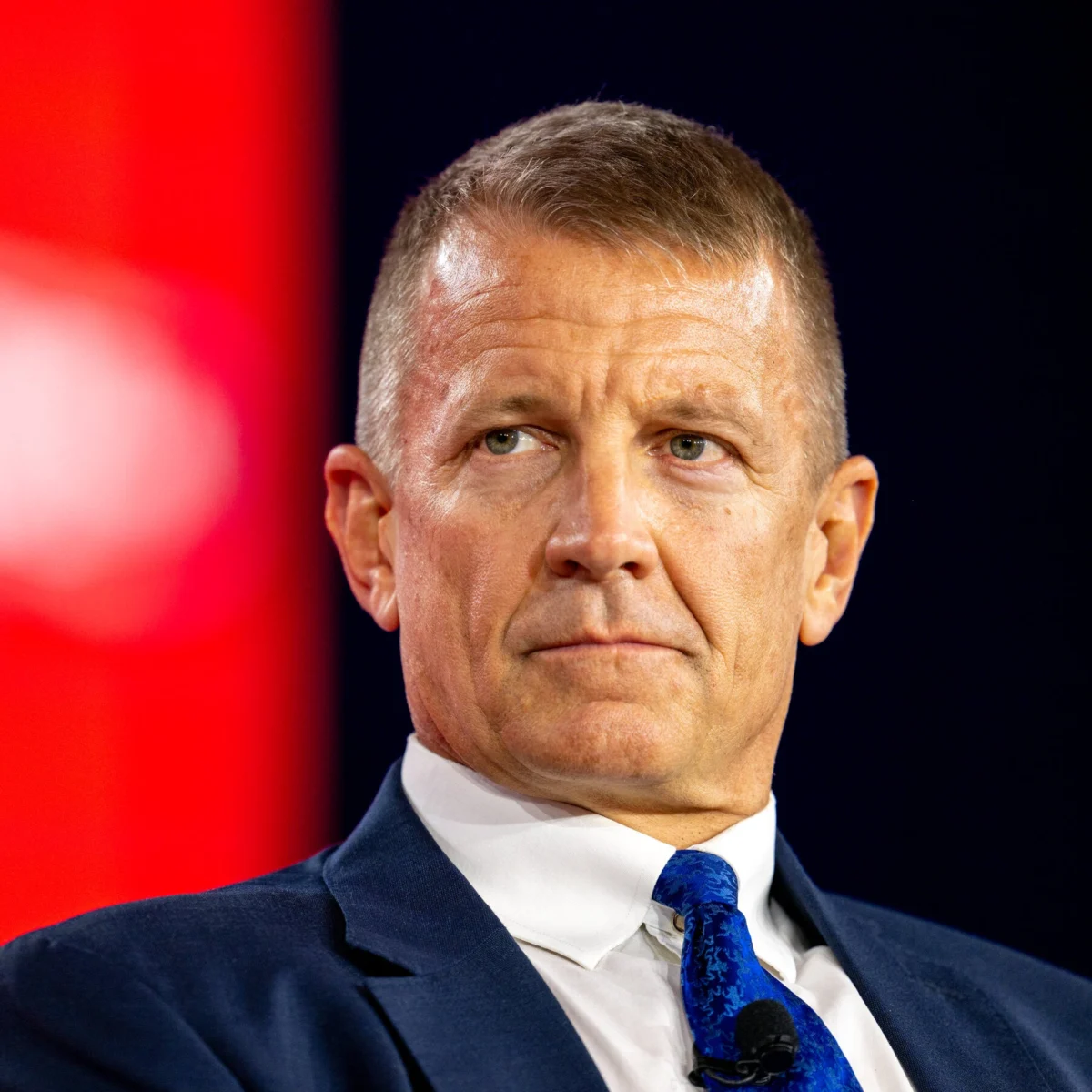
A former U.S. Army Green Beret was injured and an elite New Zealand soldier died during operations tied to a private security contract linked to Erik Prince, the founder of the firm formerly known as Blackwater. The deaths have drawn fresh attention to Prince’s expanding footprint in one of Africa’s most volatile regions, where his mercenary activities have long been the subject of controversy.
According to reporting from New York Times > World News, the incidents underscore how Prince’s private military ventures continue to operate in high-risk conflict zones, often with limited public oversight. These developments raise questions about accountability, international law, and the role of former military personnel in modern warfare. The situation reflects broader trends in the privatization of combat and security services across unstable regions.
KEY FACTS
- Erik Prince, former Blackwater founder, is involved in a Congo mercenary deal.
- A former Green Beret was injured during the operation.
- An elite New Zealand soldier died in connection with the contract.
- The events highlight Prince’s growing influence in an intractable African conflict.
THE STORY
What happens next?
Details surrounding the contract, including its scope, oversight mechanisms, and chain of command, remain unclear. The New Zealand soldier’s death and the Green Beret’s injury suggest that the mission may have involved direct engagement with hostile forces, though exact circumstances are not specified in public records. As international observers weigh in, pressure could mount for greater transparency regarding the use of private military contractors in conflict zones.
Prince, who founded Blackwater (later renamed Academi), has operated in multiple war-torn regions, including Afghanistan and Libya. His current operations in Congo appear to align with patterns seen in other theaters, where private contractors are deployed alongside or in place of official military units. Critics argue such arrangements blur the lines between state responsibility and corporate warfare, especially when casualties occur.
Who is affected?
Beyond the families of the wounded and fallen soldiers, local populations in eastern Congo face potential repercussions from intensified conflict involving foreign mercenaries. The region has long suffered from instability fueled by resource competition and regional power struggles. The presence of well-funded private operatives adds another layer to an already complex humanitarian crisis, with civilians often caught in crossfire or targeted reprisals.
Congolese communities have historically borne the brunt of external interventions—whether by state-backed forces or private armies. The involvement of figures like Prince signals how global capitalism intersects with armed conflict, turning war zones into lucrative markets for security firms. For ordinary citizens, the influx of mercenaries rarely translates into protection; instead, it often exacerbates existing vulnerabilities and prolongs suffering.
How did we get here?
The roots of Prince’s presence in Congo trace back to evolving U.S. policy shifts toward privatizing aspects of national defense. Since the early 2000s, American administrations have increasingly outsourced logistics, training, and even combat roles to private companies. This trend gained momentum after high-profile failures in Iraq and Afghanistan, prompting policymakers to seek flexible alternatives to traditional troop deployments.
In Africa specifically, Washington has supported proxy partnerships and covert operations through intermediaries rather than large-scale invasions. Prince capitalized on this approach by positioning his firms as agile assets capable of operating in denied environments without attracting headlines. His alleged dealings in Congo fit within this framework, offering plausible deniability to governments reluctant to acknowledge direct entanglement in foreign conflicts.
WHAT WE KNOW — AND WHAT WE DON’T
Verified by the source:
- Erik Prince is associated with a private security contract in Congo.
- A former Green Beret sustained injuries linked to the mission.
- An elite New Zealand soldier died during the operation.
- The incident has spotlighted Prince’s expanding role in Congolese conflicts.
Still unconfirmed:
- The specific identity of the deceased New Zealand soldier.
- The official mandate and oversight structure of the Congo mercenary deal.
- Whether any formal investigation or accountability measures are underway.
- Details about Prince’s current company or contractual terms involved.
WHY IT MATTERS
As global powers lean more heavily on private actors to project force abroad, cases like Prince’s Congo operation test the limits of legal oversight and civilian protection. The blurring of military and commercial interests poses risks not only to stability but also to democratic norms rooted in accountable command structures. Citizens and lawmakers alike must grapple with whether outsourcing warfare serves broader strategic goals—or merely shields policymakers from political cost.
WHAT TO WATCH
Watch for responses from the New Zealand and U.S. governments regarding the fallen soldier and injured veteran. Ongoing reporting may shed light on whether deeper institutional links exist between Prince’s network and ongoing regional conflicts. Explore our war-geopolitics coverage for context on private military trends. Also relevant: developments in economy-markets tied to defense contracting.