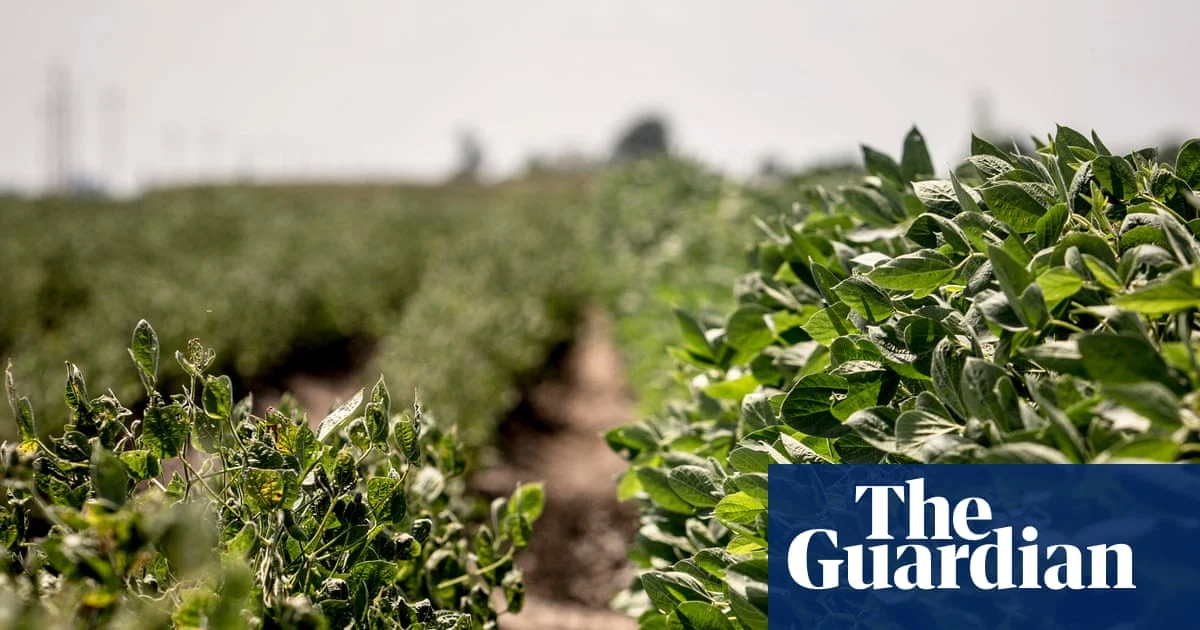
In an unusual disclosure of pesticide rulemaking, internal EPA documents show the agency asked Bayer to choose its preferred dicamba regulations, then drafted a proposed federal rule based on Bayer’s selections.
The documents, reported by The Guardian, offer a rare public look at a process usually conducted in private.
KEY FACTS
- EPA asked Bayer to choose regulation options for dicamba
- EPA placed Bayer’s choices into a proposed federal rule
- Documents reveal Bayer influenced dicamba rulemaking directly
- Process is typically done out of public view
How Regulatory Capture Unfolded
The EPA requested that Bayer select from a menu of regulatory options for dicamba, a herbicide widely used on genetically modified crops.
Bayer responded with its preferred framework, and the EPA translated those preferences into a draft rule for public comment.
This reversal of the usual dynamic, where regulators evaluate industry input, raises questions about oversight independence.
Why This Matters for Oversight
Pesticide regulation involves assessing risks to human health, wildlife, and farmland productivity.
When the regulated entity effectively drafts rules, accountability mechanisms risk weakening.
The EPA defends its process as standard consultation; critics argue such collaboration undermines public interest safeguards.
What We Know — and What We Don’t
Verified by the source:
- EPA asked Bayer to select dicamba regulation options
- EPA incorporated Bayer’s choices into a proposed rule
- Documents were released publicly
Still unconfirmed:
- Exact timing of the document release
- Whether EPA officials commented on the process
- Final regulatory outcome
Why It Matters
The case spotlights tensions between agricultural productivity and environmental protection, as dicamba drift has damaged non-target crops and wild vegetation.
It also tests public trust in science-based rulemaking when industry helps design its own oversight.
What To Watch
Ongoing litigation, further document releases, and potential congressional inquiries could clarify how widespread this practice is across EPA programs.