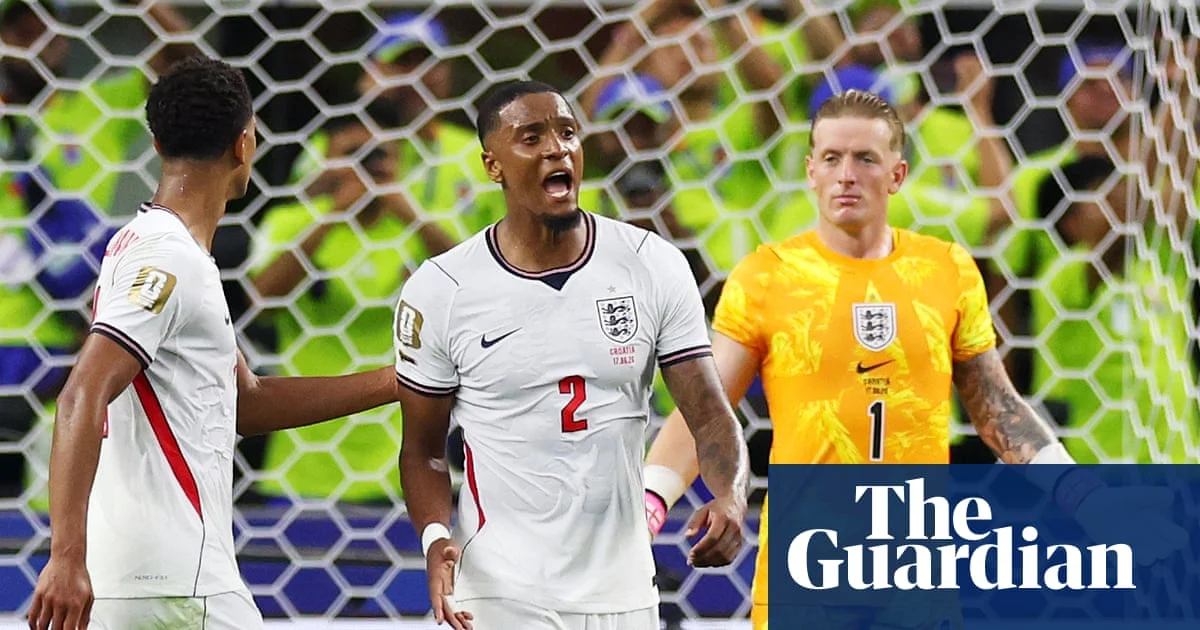
At the 73‑minute mark, England’s striker Jude Bellingham hammered a low drive into the bottom corner, sparking a furious thrashing that seemed to rewrite the night’s narrative.
But the celebration was short‑lived. Six minutes earlier, Croatia’s Luka Modrić slipped a through‑ball to Andrej Kramarić, who brushed home the equaliser that exposed England’s defensive frailties.
Thomas Tuchel’s side roared back in the second half, creating four clear chances and netting two goals, yet the first‑half performance left the coaching staff bruised.
Why defensive frailties matter now
Anthony Barry, Tuchel’s assistant, told ITV: “We’re doing all the wrong things, playing with a nervous energy, and making everything confused and complicated.” The admission underlines a deeper issue – a back line that loses shape the moment the ball leaves the feet of a midfielder.
In the opening 45 minutes, England surrendered possession 22 times in their own half, compared with Croatia’s 9. They allowed three dangerous interceptions inside the penalty area, resulting in two shots on target.
Those numbers matter because a single lapse could decide a World Cup tie. The tournament’s knockout stage will pit England against teams that grind out results with disciplined defending, not the free‑flowing flair of June’s friendlies.
What happens next?
Tuchel has three games left before the round of 16. He can either tighten the back four or risk a repeat of the Dallas debacle.
Potential adjustments include a deeper defensive line, a switch to a single pivot midfielder to shield the centre‑backs, and stricter pressing triggers to prevent opponents from playing between the lines.
Failure to adapt could see England exit early, a scenario that would echo the 2014 and 2022 disappointments when attacking flair masked structural weaknesses.
For fans at home, the stakes are personal. A deeper run means more matches to watch, more merchandise, and a national mood lift. A premature exit ripples through the economy, affecting everything from hospitality revenue in host cities to TV advertising rates.
England’s next opponent is a team that ranks in the top five for interceptions per game, according to FIFA data. That test will likely expose whether the “forward surge” is a genuine turnaround or a fleeting flash before another defensive collapse.
Keep an eye on Tuchel’s press conference tomorrow – his tone will hint at the tactical tweaks he plans to make before the crucial fixtures.
Read our analysis of economy and markets impacts of World Cup performance, or explore how AI is reshaping technology and AI scouting for national teams.