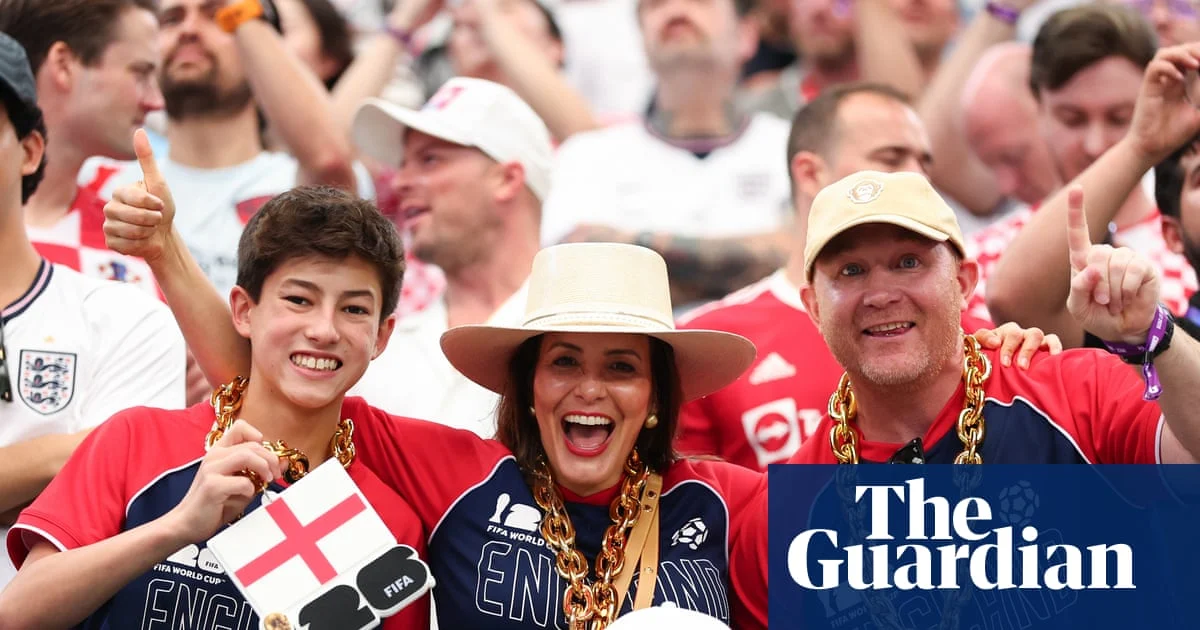
England fans poured $800 into a single seat at AT&T Stadium, only to celebrate the triumph as the stadium roared with 80,000 chanting voices.
Music producer Oli Lee, one half of the Snakehips duo, jumped into a Dallas pool with his phone still in his pocket after England beat Croatia 2-1. “I paid $800 (£604) for my ticket but it was all worth it,” he told reporters while his soaked phone somehow stayed alive.
What the Dallas experience looked like
The opening match of the 2026 World Cup turned Dallas into a pop‑up festival. More than 3,000 England supporters travelled from the UK, the US and beyond, many splurging on premium seats that cost between $600 and $1,200.
Fans lined the walkways in replica three‑lion shirts, sang “Three Lions” in unison, and turned the stadium’s concourse into a makeshift fan zone with food trucks serving fish‑and‑chips and jager‑meisters. The atmosphere felt less like a traditional tournament and more like a summer concert tour.
Why does this matter?
High‑priced tickets and a carnival vibe signal a shift in how the World Cup is being packaged. Organisers are betting that affluent, experience‑hungry fans will drive revenue, while broadcasters count on the spectacle to keep viewership high across time zones.
For ordinary fans, the cost barrier raises questions about inclusivity. If an $800 ticket becomes the norm for a “must‑see” match, lower‑income supporters risk being priced out of the live experience.
What’s next for England and their travelling supporters?
England’s next fixture against the United States promises another cash‑laden surge in ticket sales, especially as the team eyes a quarter‑final run. Travel agencies on both sides of the Atlantic already report a 40% increase in package deals compared with the 2022 tournament.
Meanwhile, fans like Lee plan to return. “I’ve never been to a World Cup game before, so I thought it was something I couldn’t miss out on,” he said, already eyeing the next match.
Will the $800 price tag become the new benchmark for World Cup thrills, or will fan backlash force organisers to rethink pricing? The story is still unfolding, and every goal will bring fresh data on how far supporters are willing to spend for a piece of history.
Read more about the economics of mega‑sports events in our economy and markets section.