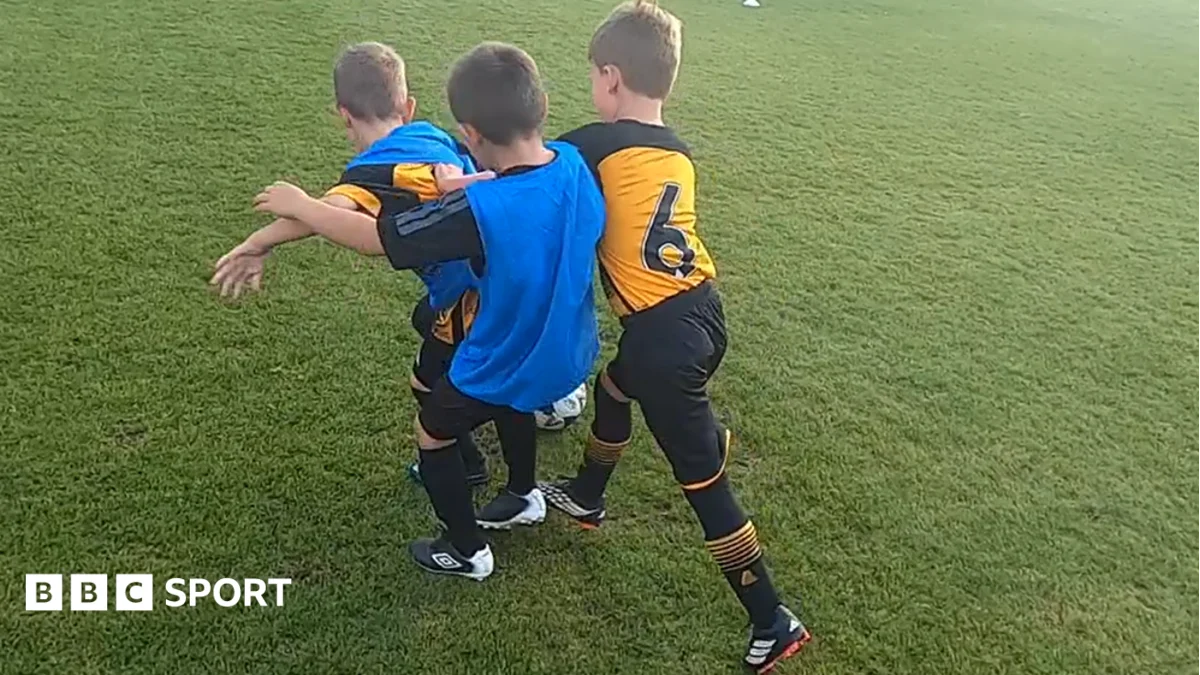
From this season, young players in England will no longer play 5v5 football. Instead, the Football Association (FA) has introduced 3v3 football for under-7s, marking a major shift in how children are introduced to the sport. The change has sparked debate over whether 3v3 football can reshape the playing style and culture of English football in the long term.
Supporters of the new format argue that smaller-sided games allow for more touches on the ball, increased involvement for each child, and a faster-paced learning environment. Critics, however, question how this transition will impact the overall development pathway and whether it aligns with broader strategic goals. The FA’s decision reflects a growing trend across Europe, where federations are rethinking traditional structures to foster creativity and technical ability in youth players.
Key Facts
- 3v3 football is replacing 5v5 for under-7s in England.
- The change was implemented by the FA starting this season.
- The aim is to influence the future direction of English football.
What Is 3v3 Football and Why the Change?
3v3 football refers to a variation of the game played with three outfield players per side, typically without a goalkeeper. This format emphasizes quick decision-making, close control, and spatial awareness. By reducing the number of players, coaches believe children get more opportunities to engage actively during matches, which could lead to faster skill development.
The FA’s move builds upon research suggesting that smaller-sided formats support cognitive and physical growth in young athletes. The governing body may be aiming to address past criticisms of English football’s rigid, physical approach at youth levels, encouraging a more expressive and technically grounded foundation.
Who Is Affected by the New Rule?
Young footballers across England who are registered with local clubs and competing in under-7 leagues will experience the shift directly. Parents, guardians, and volunteer coaches are also expected to adapt training routines and matchday preparations to suit the dynamics of 3v3 football.
Major youth organizations and club academies have likely begun adjusting their programs accordingly. These groups often play a pivotal role in shaping early experiences, making them essential to the success of any national initiative like this one.
How Did We Get Here?
The FA has historically reviewed youth football structures multiple times over recent decades. Earlier reforms focused on safety, participation, and standardization. The latest step involves 3v3 football, part of a broader effort to modernize grassroots systems and improve international competitiveness.
Other countries have previously experimented with similar formats. For example, several European federations have used small-sided games extensively in academies to promote individual flair. The FA appears to be aligning itself with those global best practices while tailoring them to domestic needs.
What We Know — and What We Don’t
Verified by the source:
- The FA introduced 3v3 football for under-7s starting this season.
- Previously, the standard format was 5v5 football.
- The intended goal is to influence the future of English football.
Still unconfirmed:
- Whether 3v3 football improves long-term player performance.
- Specific feedback from parents, coaches, or players.
- Plans for further changes beyond the under-7 age group.
- Data showing measurable impact after implementation.
Why It Matters
Young players represent the backbone of any national football identity. How they begin their journey often influences the tone of entire generations. If 3v3 football proves effective, it might contribute to a more technically skilled and tactically aware cohort within English football.
This reform comes amid ongoing efforts to elevate England’s standing in international competitions. Developing resilient, creative thinkers through formats like 3v3 football could strengthen future teams both domestically and abroad.
What To Watch
Stakeholders are awaiting initial responses from clubs, coaches, and families affected by the switch. Further updates may emerge as league seasons progress and official evaluations take place.