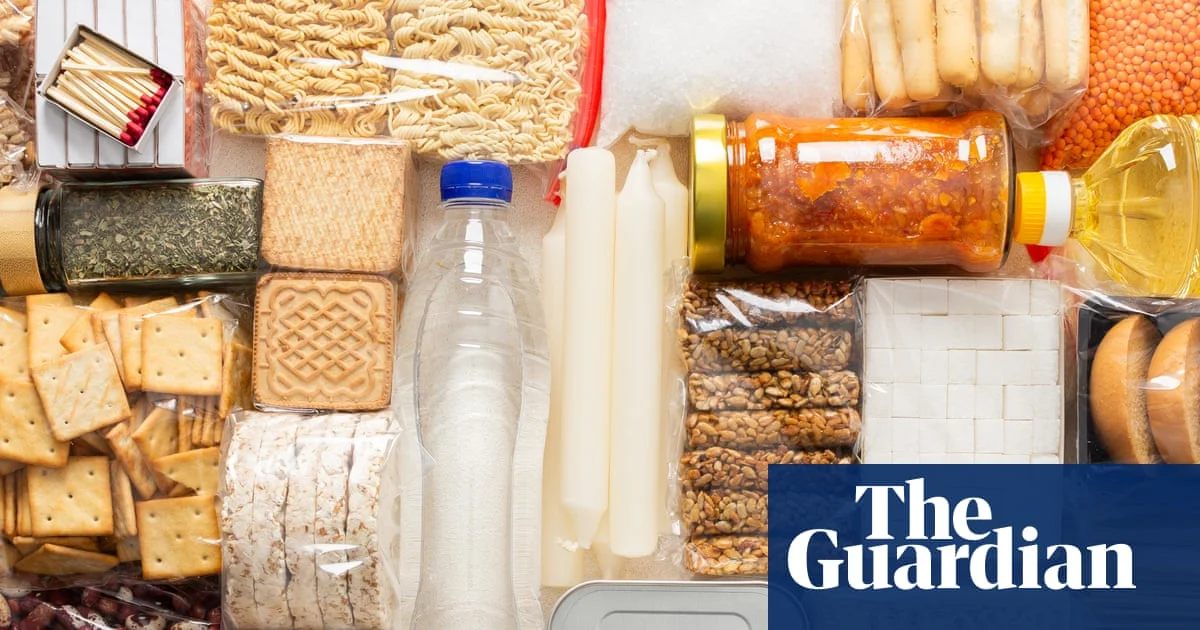
Emergency stockpile guidance aimed at households may unintentionally exclude the most financially vulnerable, according to letters responding to a national preparedness campaign. Correspondents argue that asking every household to store days of water and food treats preparedness as a privilege rather than a public health responsibility.
One midwife writing from a deprived London borough describes single-room residents coping with daily expenses as unable to absorb additional supply costs. Another correspondent notes rising prescription-related anxiety while managing ongoing medication access. Together, the letters urge policymakers to frame preparedness alongside social support rather than individual household burden.
Key Facts
- Government campaign advises every Briton to keep emergency water and food supplies.
- Letters describe storage and cost barriers for low-income households.
- A Tower Hamlets midwife reports families lacking space for required supplies.
- Correspondents call preparedness a public health issue, not a privilege.
Who Is Affected
The letters highlight households already stretched by food, heating, and everyday essential costs. For families occupying single rooms in shared accommodation, even nine litres of water plus three days of supplies becomes physically and financially unmanageable. When basic necessities dominate budgets, purchasing duplicate emergency reserves often falls outside realistic options. The midwife emphasizes that vulnerable families are precisely those most exposed to disruption yet least able to comply with blanket preparedness advice.
Background and Framing
Emergency preparedness campaigns typically assume standard kitchens, storage space, and discretionary income. The letters argue this assumption excludes large segments of urban populations where overcrowding and poverty intersect. Treating stockpiling as an individual duty risks reinforcing existing inequalities rather than building community resilience. Corresponding voices suggest reframing readiness through public health and social security mechanisms instead of placing entire responsibility on struggling households.
What We Know — and What We Don’t
Verified by the source:
- Letters were published in response to a government stockpiling campaign.
- A midwife identified Tower Hamlets as a context for storage shortages.
- Correspondents linked preparedness to affordability and mental health concerns.
- The campaign recommended three days of water and food per person.
Still unconfirmed:
- No official government response to the letters has been reported.
- Specific financial thresholds defining affordability barriers are not detailed.
- The number of letters published and full list of contributors is unverified.
- No policy changes or alternative preparedness schemes are confirmed.
Why It Matters
Public emergency advice assumes equal access to resources, yet household conditions vary widely. When preparedness guidance ignores economic and spatial constraints, it can deepen exclusion rather than strengthen collective safety. Broader recognition of affordability and housing realities may determine whether national resilience plans serve everyone or only those already secure.
What To Watch
Future developments depend on whether policymakers adjust preparedness messaging to reflect varying household capacities. Observers note that sustained public pressure could prompt reviews of how readiness advice accounts for economic inequality.