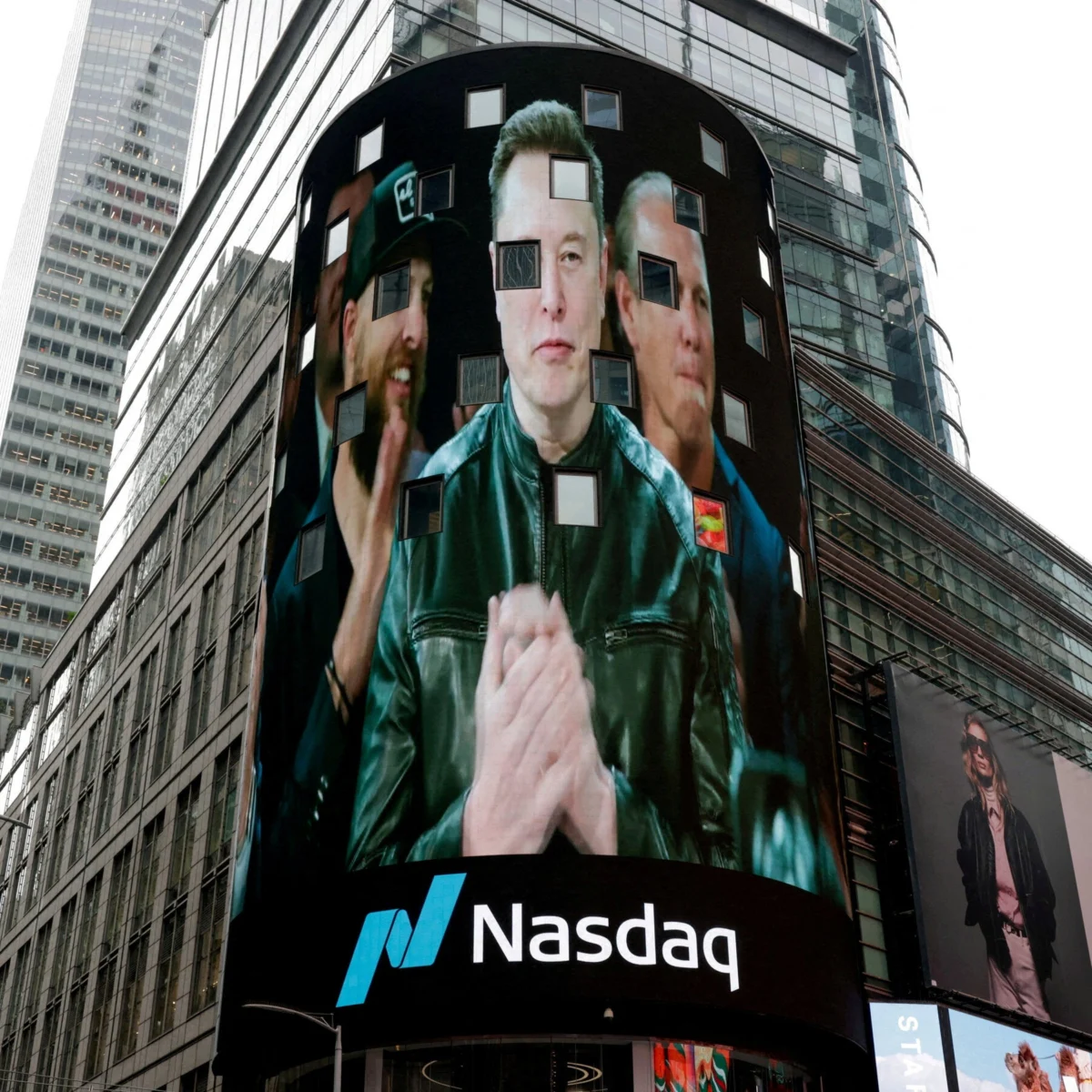
Leda: Elon Musk is reportedly weighing a merger between SpaceX and Tesla, according to a report by NYT > Business, though no official proposal has been made public. Both companies operate independently today, and any such merger would face significant regulatory and financial scrutiny.
Musk has long maintained ties across multiple high-profile ventures, including rocket science, electric vehicles, and artificial intelligence. Consolidating these under a single entity would mark a dramatic shift in how his empire is structured and governed.
Key Facts
- Musk is exploring a merger of SpaceX and Tesla, per NYT > Business.
- Such a deal would bring together rockets, cars, and AI under one umbrella.
- The combined company could exceed $3 trillion in valuation.
What Could a Merger Mean?
A potential merger between SpaceX and Tesla would create a rare blend of aerospace innovation and consumer-facing electric mobility. Such alignment could streamline Musk’s leadership structure and investor outreach efforts. It would also prompt renewed interest in how his holdings span sectors like transportation, defense-adjacent technologies, and autonomous systems.
This kind of integration has precedent globally, where industrial giants merge subsidiaries to reduce costs and unify branding. However, doing so at the scale described here—with valuations soaring beyond $3 trillion—would require unprecedented boardroom coordination and possibly new governance models. Investors in both firms are unlikely to approve such changes without clear rationale and returns.
Still, consolidation trends suggest growing appetite among shareholders for simplification. Whether regulators allow it remains unclear given antitrust concerns tied to dominant market positions across separate domains.
Who Would Be Affected?
Shareholders, employees, and customers of both SpaceX and Tesla might see direct impacts if a merger proceeds. For investors, especially institutional ones holding stakes in either firm, valuation shifts and risk profiles would demand close attention during any transition phase.
Employees may experience shifts in culture or organizational priorities once operations blend. Meanwhile, consumers relying on Tesla’s vehicle lineup or accessing SpaceX services indirectly through satellite data or launch contracts might notice altered product roadmaps or service terms over time.
Regulatory bodies overseeing antitrust law and corporate conduct would likely initiate reviews early in any process. Their stance will shape feasibility more than anything else—and signals from them remain absent as of now.
What We Know — and What We Don’t
Verified by the source:
- Musk has explored a merger between SpaceX and Tesla.
- A combined company might include rockets, cars, and AI.
- Potential valuation mentioned exceeds $3 trillion.
Still unconfirmed:
- No formal merger proposal submitted yet.
- No timeline or terms disclosed publicly.
- Regulatory approval status unknown.
Why This Matters
Any merger involving Musk’s flagship companies signals broader economic momentum toward integrated tech ecosystems. How policymakers respond could redefine cross-sector ownership norms affecting innovation trajectories for years ahead.
What To Watch
Official statements from boards, regulators, and Musk himself will clarify whether merger exploration moves forward—or stalls entirely.