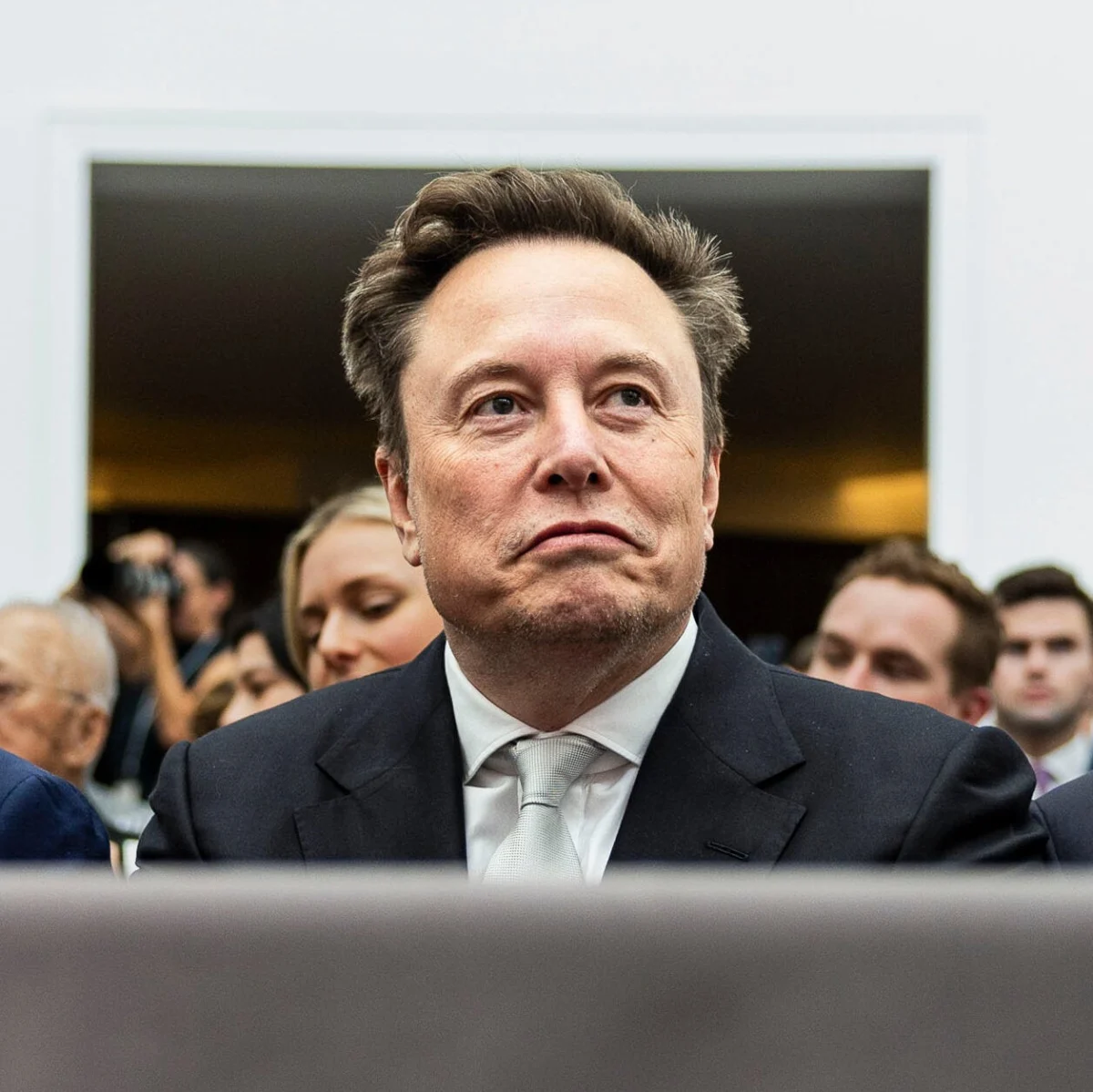
Lede: Elon Musk has quietly emerged as the largest known donor in the 2026 midterm elections, contributing $276 million to support Republican candidates and their bid to maintain control of the U.S. Senate. This donation represents one of the largest single contributions in American political history.
The scale of Musk’s giving underscores the growing influence of wealthy individuals in shaping electoral outcomes, particularly in tightly contested Senate races where millions can shift the balance of power. His funding arrives as Republicans face competitive contests that could determine whether they hold their majority in the upper chamber.
Key Facts
- Elon Musk donated $276 million for the 2026 midterms.
- The funds aim to preserve Republican control of the U.S. Senate.
- The contribution is among the largest in U.S. political history.
- Musk is now the top known donor this cycle.
How Did We Get Here?
Wealthy donors have increasingly played a central role in American elections since the Supreme Court’s Citizens United decision in 2010, which loosened restrictions on independent political expenditures. That ruling allowed corporations, unions, and billionaire individuals to spend unlimited amounts on ads and other efforts so long as they do not coordinate directly with candidates. Musk’s $276 million donation fits within this legal framework, flowing through super PACs or similar vehicles designed to support party priorities without formal campaign involvement.
Such large sums can amplify messaging, fund voter outreach, and influence public opinion in key states. In recent cycles, Senate races in battleground states often hinge on advertising saturation and voter mobilization efforts that require substantial financial backing. Musk’s entry into the midterm landscape highlights how individual fortunes can shape national political contests at an unprecedented scale.
What Happens Next?
The effectiveness of Musk’s midterm contribution will likely depend on how the money is deployed over the coming weeks. Super PACs typically spend heavily on television and digital advertising in competitive districts and states, aiming to sway undecided voters or suppress turnout among opposing constituencies. With just over a month before Election Day, much of the spending may focus on get-out-the-vote operations and last-minute persuasion campaigns in swing regions.
Race analysts will watch closely whether Republican candidates benefit from increased advertising presence in key Senate contests, especially in states like Pennsylvania, Michigan, and Wisconsin where margins are expected to be narrow. If the investment proves decisive in flipping or holding seats, it could prompt fresh scrutiny over the role of big-money donors in American democracy and whether current campaign finance laws adequately address modern fundraising dynamics.
What We Know — and What We Don’t
Verified by the source:
- Musk contributed $276 million toward the 2026 midterms.
- The goal is to help Republicans retain the U.S. Senate majority.
- He is the largest known donor this cycle.
Still unconfirmed:
- The specific organizations receiving the funds have not been named.
- Exact timing and deployment strategy remain unclear.
- No official response from Republican Party leadership has been reported.
Why It Matters
The influx of vast personal wealth into electoral politics raises enduring questions about equality of voice in democratic processes. When a small number of individuals contribute sums rivaling those of major institutions, it can tilt competitive races in unpredictable ways. This cycle’s dynamics suggest continued scrutiny of campaign finance norms and whether reforms are needed to balance free speech protections with fair access to political influence.
What To Watch
Analysts expect further disclosure filings that may reveal how Musk’s funds are distributed among outside groups. The final weeks of October and early November should clarify whether this level of independent spending influences voter sentiment or shifts outcomes in pivotal Senate contests.