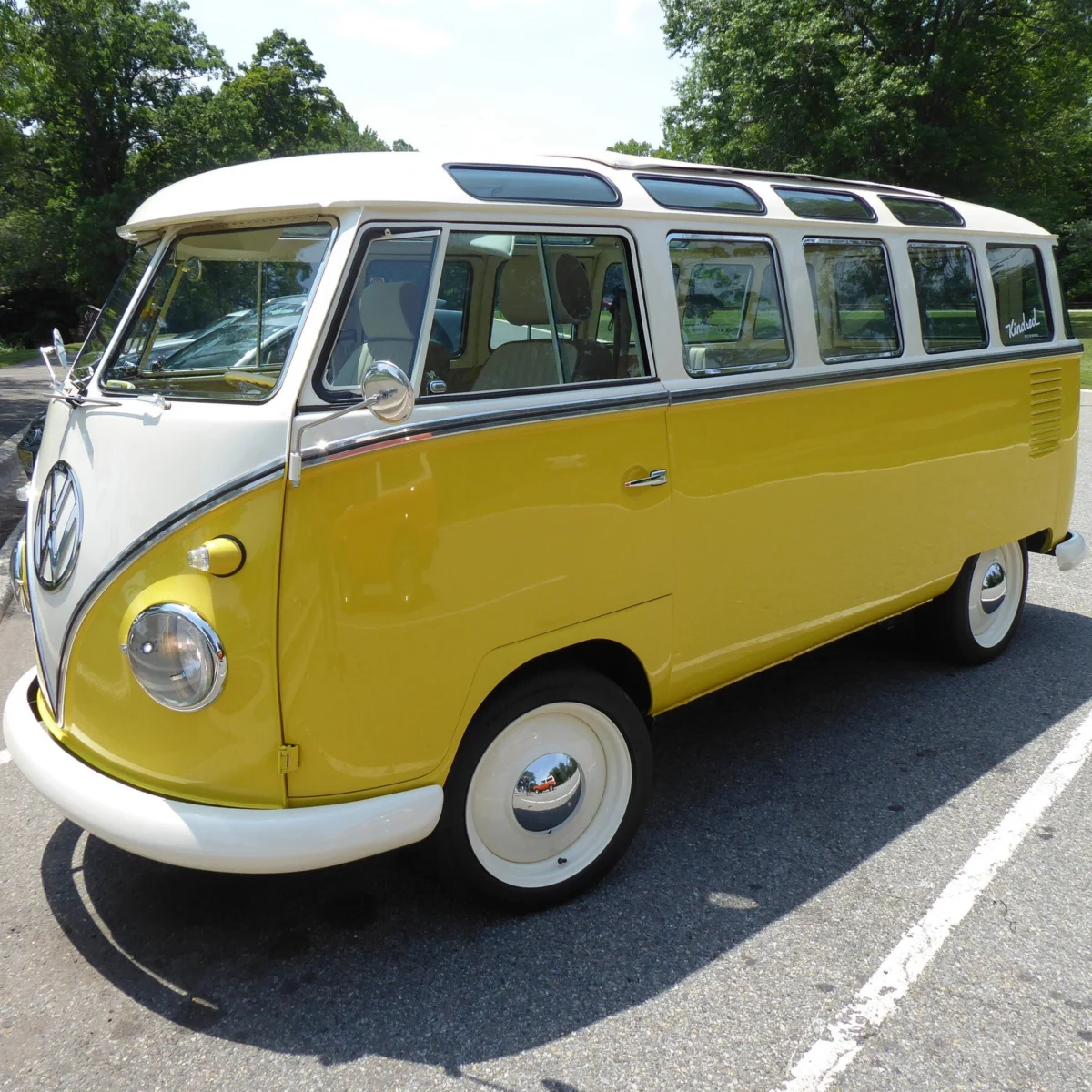
electrified VW bus An electrified VW bus, restored and reimagined by Kindred Motorworks, is targeting affluent buyers as Volkswagen’s own electric version struggles to reach the market.
The revived Microbus retains its iconic Flower Power-era design while incorporating modern electric powertrains, appealing to collectors and enthusiasts willing to pay for nostalgia and performance.
Meanwhile, Volkswagen’s production electric version faces delays in development and deployment, echoing the slow rollout of the original model decades ago.
KEY FACTS
- Restored VW bus: A restored version of Volkswagen’s Flower Power-era Microbus is being offered by Kindred Motorworks.
- Electric conversion: The restored bus has been kitted out with an electric drivetrain.
- Affluent buyers targeted: The electrified VW bus aims at the affluent market segment.
- VW’s EV lags: Volkswagen’s own electric version of the bus is slow to get moving.
- Historical parallel: VW’s EV rollout mirrors the slow start of its original forebear.
THE STORY
What happened to the electric VW bus?
Kindred Motorworks, a specialist in vintage vehicle restoration, has converted a classic Volkswagen Microbus into an electric vehicle. The resulting electric VW bus blends retro aesthetics with modern EV technology, including updated batteries, motors, and interior features suitable for today’s drivers.
The Microbus holds cultural significance from the 1960s and 1970s, associated with counterculture movements and road trips. By restoring it as an electrified model, Kindred Motorworks appeals to both nostalgia and sustainability trends, particularly among wealthier consumers who value exclusive, high-end customizations.
This niche offering contrasts sharply with Volkswagen’s broader strategy to electrify its fleet, which includes plans to launch an electric version of the ID.Buzz, the brand’s modern take on the Microbus. However, the production rollout of Volkswagen’s electric bus continues to face setbacks, reflecting challenges in supply chains, manufacturing ramp-up, and market timing.
Who is affected by the delayed electric VW bus?
Enthusiasts and early adopters seeking a unique electric vehicle may turn to boutique manufacturers like Kindred Motorworks for personalized options while waiting for mass-market alternatives.
Volkswagen risks ceding early momentum in the EV van segment to third-party converters and niche players, potentially impacting its position in the emerging electric lifestyle vehicle market.
Affluent buyers represent a key demographic for premium electric conversions, but limited availability and high costs may restrict broader adoption of electric VW buses in the near term.
How did we get here?
Volkswagen originally launched the Type 2, commonly known as the Transporter or Microbus, in the 1950s. Its enduring popularity led to decades of production and cultural iconography, especially in North America.
The concept of electrifying the Microbus gained traction as automakers shifted focus toward zero-emission vehicles. Volkswagen announced plans for an electric version under its ID family, but development hurdles have delayed production timelines.
In the interim, companies like Kindred Motorworks fill the gap, offering bespoke electric conversions that attract attention and command premium prices, setting a precedent for future collector-oriented EV offerings.
WHAT WE KNOW — AND WHAT WE DON’T
Verified by the source:
- Kindred Motorworks has restored a classic VW Microbus and converted it to electric power.
- The electric VW bus targets affluent customers.
- Volkswagen’s own electric bus remains delayed in reaching the market.
- The original Microbus debuted during the Flower Power era.
- Volkswagen’s EV rollout resembles the slow start of its predecessor.
Still unconfirmed:
- Exact timeline or pricing details for Kindred Motorworks’ converted buses.
- Specific reasons behind Volkswagen’s delays in launching its electric bus.
- Production volumes or availability of either vehicle.
- Market response or sales figures for similar vintage EV conversions.
- Official statements from Volkswagen regarding its rollout strategy.
WHY IT MATTERS
The electric VW bus represents more than just a nostalgic revival—it reflects shifting trends in mobility, environmental consciousness, and consumer preferences. As legacy automakers struggle with EV transitions, specialty firms are capitalizing on demand for personalized, eco-friendly classics, reshaping how we think about sustainable transportation.
WHAT TO WATCH
Industry analysts will monitor whether Volkswagen can accelerate its electric bus rollout or cede further ground to niche converters. Updates on production schedules and pricing could clarify the competitive landscape for electric VW bus models in the coming months.
A restored electric VW bus from Kindred Motorworks targets affluent buyers while Volkswagen’s official EV lags. Per NYT Business, the delay mirrors the original’s slow launch.
For more on electric vehicle trends and market movements, explore our economy and markets coverage and tech and AI updates.