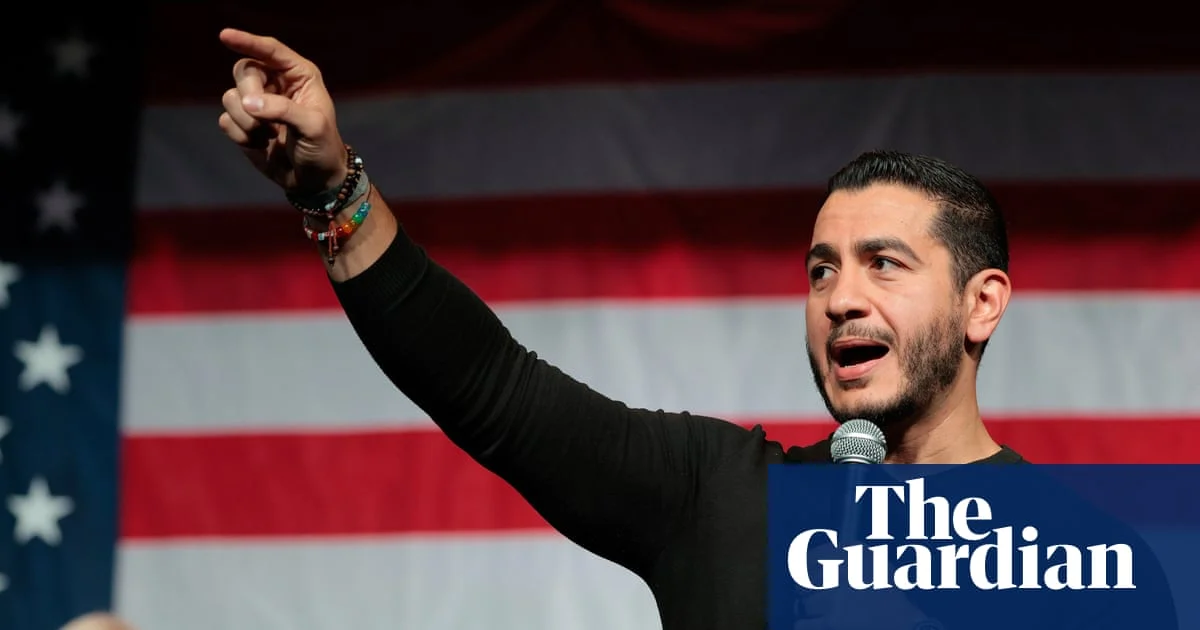
Democratic Senate candidate Abdul El-Sayed of Michigan said on Sunday that Democrats must “win by massive numbers” in November’s federal midterm elections because Donald Trump and his Republican allies are likely to try to cast doubt on the integrity of the results. His comments, made during an appearance on NBC’s Meet the Press, come as Trump has long and repeatedly claimed, without evidence, that his 2020 election loss was stolen. El-Sayed emphasized the need for decisive victories to prevent post-election disputes from gaining traction among the public or within institutions.
The warning reflects broader Democratic concerns about the stability of electoral norms heading into the 2026 midterms. With control of the House of Representatives expected to be closely contested, and potential gains in traditionally Republican Senate seats being projected by pollsters, the stakes are high for both parties. El-Sayed’s message underscores a growing anxiety within his party that any narrow margins could fuel renewed claims of fraud or irregularity, particularly if Donald Trump remains a central figure in GOP politics.
Key Facts
- Democratic wins: Democrats must win by large margins to counter Trump-aligned election denial, according to Michigan Senate candidate Abdul El-Sayed.
- <strongClaims disputed: Donald Trump has falsely claimed his 2020 loss was stolen; El-Sayed says such claims will resurface if margins are slim.
- <strongMidterm timing: Elections are set for November 3, 2026, with competitive races expected in both chambers of Congress.
- <strongMedia platform: El-Sayed delivered these remarks during an interview on NBC’s Meet the Press.
- <strongPolling outlook: Polls suggest Democrats may flip House seats and compete in Senate races in states typically leaning Republican.
Who Is Affected by This Strategy?
Michigan voters are directly impacted, as El-Sayed seeks to unseat the incumbent Republican senator. But the implications stretch far beyond state borders. Across the country, Democratic candidates in competitive Senate and House races are being advised to focus not only on mobilizing their base, but also on securing margins large enough to make post-election challenges politically difficult.
Voters in swing states such as Pennsylvania, Wisconsin, and Arizona may see similar messaging from Democratic candidates who are increasingly framing their campaigns around protecting democratic institutions. At the same time, Republican candidates are walking a careful line, balancing loyalty to Trump with the need to appeal to moderate and independent voters who may be fatigued by ongoing questions about election legitimacy.
The broader electorate is also affected, as the tone of the campaign could shape public perception of the fairness and finality of the 2026 midterm results. Political scientists note that when candidates spend significant time warning of potential fraud, it can inadvertently reinforce false narratives—even when their intent is to preempt them.
How Did We Get Here?
El-Sayed’s comments come more than five years after the 2020 presidential election, where Trump became the first U.S. president to refuse to concede defeat. Despite numerous court defeats, recounts, and investigations—including by Republican-led state officials—Trump has maintained that the election was fraudulent.
The persistence of these claims led to the January 6th attack on the U.S. Capitol in 2021, when a mob of Trump supporters stormed the building in an attempt to disrupt the certification of the Electoral College results. That event deepened concerns among Democrats and some Republicans about efforts to undermine public confidence in the electoral process.
Since then, numerous state legislatures controlled by Republicans have passed laws restricting mail-in voting and tightening voter ID requirements, which Democrats argue are designed to suppress turnout. Meanwhile, Trump has endorsed candidates who echo his election denialism, creating an internal dynamic within the GOP that keeps the issue alive even as many Republicans privately acknowledge the 2020 results were legitimate.
What Happens Next?
As the election approaches, Democrats are expected to continue emphasizing the importance of high turnout and large margins. Campaign spending on voter education and outreach is likely to increase, especially in key battleground states.
On the Republican side, party leadership is attempting to balance support for Trump with the goal of winning back congressional majorities. Whether GOP candidates adopt or distance themselves from Trump’s messaging on election integrity remains to be seen.
What We Know — and What We Don’t
Verified by the source:
- Abdul El-Sayed appeared on Meet the Press and urged large Democratic wins to counter election denial.
- Trump has long claimed, without substantiation, that the 2020 election was stolen.
- The 2026 midterm elections will take place on November 3.
- Polls show Democrats could gain ground in both the House and Senate.
Still unconfirmed:
- The exact wording and full context of El-Sayed’s remarks on Meet the Press.
- Precise polling data supporting projections of Democratic gains.
- Whether similar messages are being coordinated across the Democratic Party.
- The extent to which Republican candidates will echo or reject Trump’s claims in their campaigns.
Why It Matters
The integrity and perceived legitimacy of U.S. elections are foundational to democratic governance. When leading figures suggest that defeats might be illegitimate, it can erode public trust and increase political polarization. El-Sayed’s call for large Democratic wins reflects a strategy aimed at preventing a recurrence of the post-election unrest seen in 2020 and early 2021. For voters, understanding these dynamics helps contextualize campaign rhetoric and prepares them to evaluate claims about election fairness critically. This story sits at the intersection of domestic politics and civic health, falling under our war-geopolitics coverage that examines threats to democratic institutions.
What To Watch
Future interviews and campaign events may reveal whether other Democratic candidates echo El-Sayed’s emphasis on large margins. Additionally, Republican responses—including whether they distance themselves from or embrace Trump’s narrative—will shape the broader electoral environment leading up to November 2026.
META DESCRIPTION: Michigan Democratic Senate candidate Abdul El-Sayed says Democrats must win by large margins in the 2026 midterms to counter Trump-aligned election denial claims.