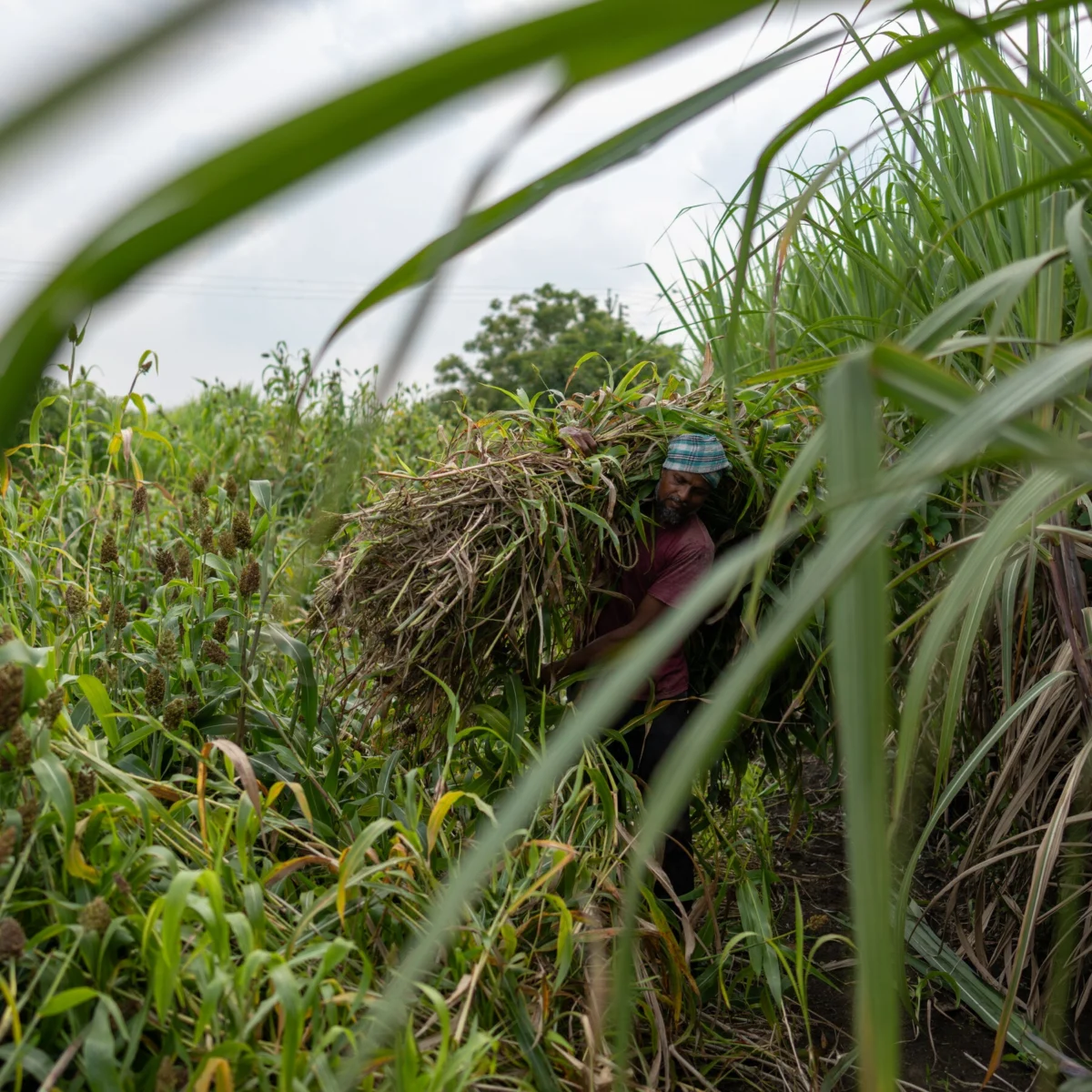
El Niño’s impact on India’s sugarcane crop is threatening the global sugar supply, with a poor harvest hurting both consumers and farmers while undermining the country’s energy security goals. The world’s second-largest sugar producer is facing reduced output from its key agricultural sector, raising concerns about wider market effects.
This development links climate conditions directly to food and energy systems, showing how weather patterns in major producing nations can ripple through global commodity markets. The New York Times reports that the connection between climate and agricultural output is becoming increasingly significant for worldwide supply chains.
Key Facts
- India is the world’s second-largest sugar producer.
- A poor sugarcane crop is affecting consumers and farmers in India.
- The harvest shortfall undermines India’s energy security goals.
- El Niño conditions are threatening the global sugar supply.
What happens next?
With India’s sugarcane crop facing significant shortfalls, global sugar supply chains are likely to experience further pressure in coming months. The interplay between climate events and agricultural production continues to pose risks to worldwide food security, particularly for commodities like sugar that serve both consumer and industrial markets. India’s position as the world’s second-largest sugar producer means that domestic production issues have direct international consequences, influencing everything from grocery store prices to the availability of ingredients for food manufacturers across global markets.
The relationship between environmental factors and agricultural yields has become increasingly complex, with phenomena like El Niño creating unpredictable growing conditions. For sugar specifically, the crop’s vulnerability to extreme weather highlights how climate change may be reshaping traditional agricultural patterns. This dynamic affects not only food prices but also broader economic stability in regions dependent on sugar exports.
Who is affected?
The impacts of reduced sugarcane production extend beyond India’s borders, influencing the lives of consumers and farmers around the world. When major producers like India see their harvests decline, sugar prices often rise globally, affecting food manufacturers, retailers, and ultimately households. For Indian farmers, lower yields and reduced incomes compound existing challenges related to water scarcity and input costs, creating economic strain in rural communities.
Beyond agriculture, India’s push toward renewable energy relies partly on sugarcane-based ethanol, which supports national energy security goals. A poor sugarcane crop therefore threatens progress on multiple fronts, including environmental objectives and rural development programs designed to support farming communities during transitions to sustainable energy sources.
How did we get here?
The convergence of climate patterns and agricultural vulnerability has been building over recent years as global temperatures rise and weather extremes become more frequent. El Niño events typically alter precipitation and temperature patterns worldwide, sometimes bringing drought to key agricultural zones or disrupting growing seasons through floods or heatwaves. In India, where sugarcane is both economically important and water-intensive, these shifts create conditions ripe for crop stress and reduced yields.
Historical data shows that sugar production in India fluctuates based largely on monsoon performance and overall climatic stability. As El Niño strengthens its influence on regional weather systems, forecasting reliable harvests becomes more difficult, increasing uncertainty for policymakers trying to balance energy needs with food affordability and farmer welfare.
What We Know — and What We Don’t
Verified by the source:
- A poor sugarcane crop in India is affecting consumers and farmers.
- India is the world’s second-largest sugar producer.
- The shortfall undermines India’s energy security goals.
- El Niño is linked to threats against the global sugar supply.
Still unconfirmed:
- Specific projected price increases for sugar globally or locally.
- Exact timelines for recovery of Indian sugarcane production.
- Detailed mechanisms connecting El Niño to this year’s crop failure.
- Official government responses or subsidy measures planned.
Why it matters
Climate-driven disruptions to essential crops like sugarcane illustrate growing vulnerabilities in global food systems, where localized agricultural shocks can translate into worldwide price volatility and supply chain adjustments that affect economies and livelihoods far removed from the originating event.
What to watch
Future developments may include updated production forecasts from Indian agricultural authorities, potential policy responses aimed at stabilizing domestic supplies, and monitoring of evolving El Niño conditions throughout the remainder of the growing season.