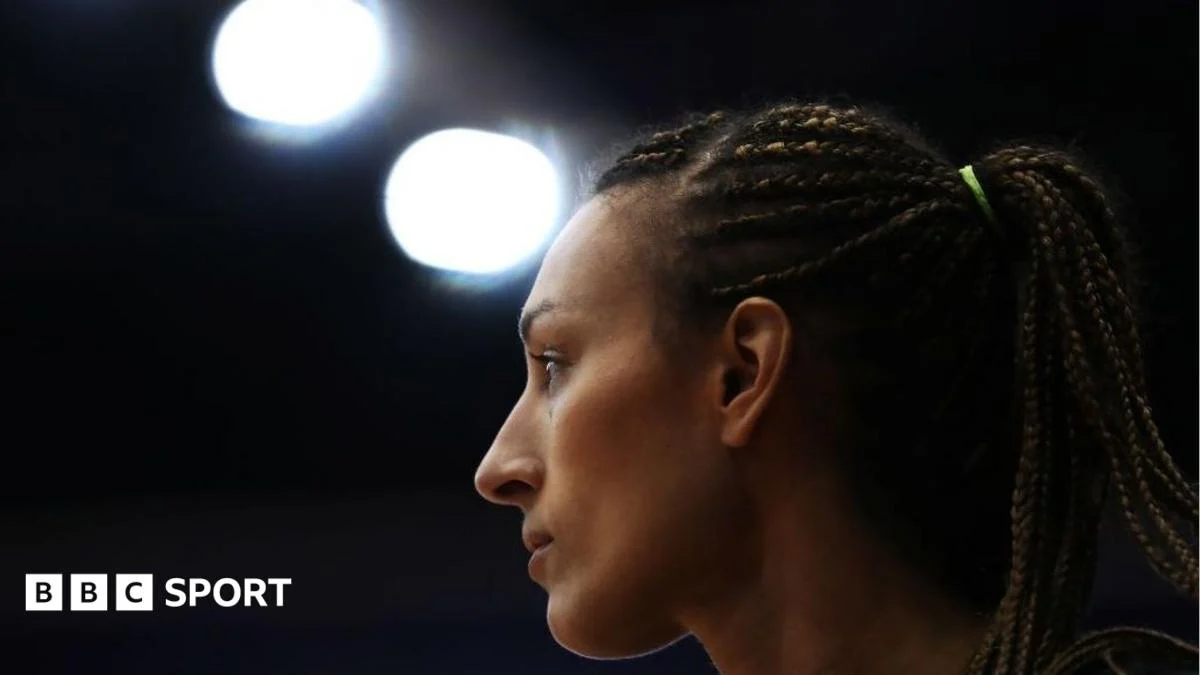
Egg-freezing in sport has emerged as a complex and contentious issue facing female athletes, according to BBC Sport, which examines the potential benefits, risks, and unresolved questions surrounding the practice. The procedure, which involves preserving a woman’s fertility by freezing her eggs, presents unique challenges when applied to elite competitors, whose careers often peak during their reproductive years. BBC Sport’s analysis highlights how athletes must navigate not only medical uncertainties but also ambiguous regulatory standards that vary across sports organizations.
Key Facts
- Egg-freezing in sport raises both potential benefits and risks for female athletes.
- Female athletes face unanswered questions regarding fertility preservation and competition.
- BBC Sport investigates the medical, regulatory, and ethical dimensions of the procedure.
- The issue reflects broader tensions between athletic longevity and reproductive autonomy.
The Story
How did we get here?
The conversation around egg-freezing in sport has gained traction as more female athletes speak publicly about the pressures of balancing peak performance with family planning. Many elite competitors delay childbirth to extend their careers, only to encounter declining fertility later. Medical experts note that egg-freezing becomes increasingly difficult after age 35, creating a narrow window for action. However, freezing cycles can disrupt training schedules and carry health risks, including ovarian hyperstimulation syndrome. Because sports bodies have not issued uniform policies, athletes often receive inconsistent guidance from teammates, coaches, and medical staff.
BBC Sport reports that some organizations are beginning to consideregg-freezing in sport as part of holistic athlete welfare programs. Yet no global governing body has established clear protocols for funding, timing, or monitoring the process. This lack of standardization leaves athletes vulnerable to misinformation and exploitation. Without transparent oversight, decisions about fertility preservation may become another form of institutional neglect rather than empowerment.
Who is affected?
Female athletes across disciplines—from track and field to gymnastics—are directly impacted by the absence of coherent reproductive health support. Many young competitors enter professional environments unaware of how hormonal treatments associated with egg-freezing might affect strength, endurance, or recovery. Coaches and federations frequently fail to address these concerns, leaving athletes isolated when making life-altering choices. Cultural stigma around discussing fertility further compounds the problem, particularly in countries where women’s sports receive limited attention or resources.
BBC Sport underscores that male athletes are rarely expected to weigh such trade-offs, highlighting a systemic gender imbalance in how biological realities intersect with athletic demands. Until this disparity is acknowledged and addressed, the burden will remain disproportionately placed on women who dare to compete at the highest levels.
What happens next?
As awareness grows, pressure is mounting on sports regulators to develop comprehensive frameworks for managingegg-freezing in sport. Some advocacy groups are calling for mandatory education sessions, subsidized procedures, and confidential counseling services. Others warn that commercial interests could exploit vulnerable athletes if proper safeguards are not enacted. For now, individual clubs and nations continue operating under divergent philosophies, with little coordination between them.
BBC Sport suggests that future coverage will explore whether emerging policies align with athlete needs or simply serve to legitimize existing inequities. The publication invites readers to follow ongoing developments as stakeholders debate solutions that balance performance integrity with reproductive justice.
What We Know — and What We Don’t
Verified by the source:
- BBC Sport has examined benefits and risks of egg-freezing in sport.
- Female athletes face unanswered questions related to fertility preservation.
- The practice raises complex medical, regulatory, and ethical considerations.
Still unconfirmed:
- No official statistics exist on how many athletes have pursued egg-freezing.
- It remains unclear which sports organizations offer support or policy guidance.
- Long-term impacts of hormone therapy on athletic performance are not quantified.
Why It Matters
This issue touches core questions of fairness, equity, and human rights within global athletics. As public scrutiny intensifies around athlete welfare, ignoring reproductive health undermines the credibility of sports institutions claiming to champion inclusivity and safety.
What To Watch
Stakeholders await concrete policy proposals from major sporting federations; their responses will indicate whether systemic change is forthcoming or merely rhetorical commitment.