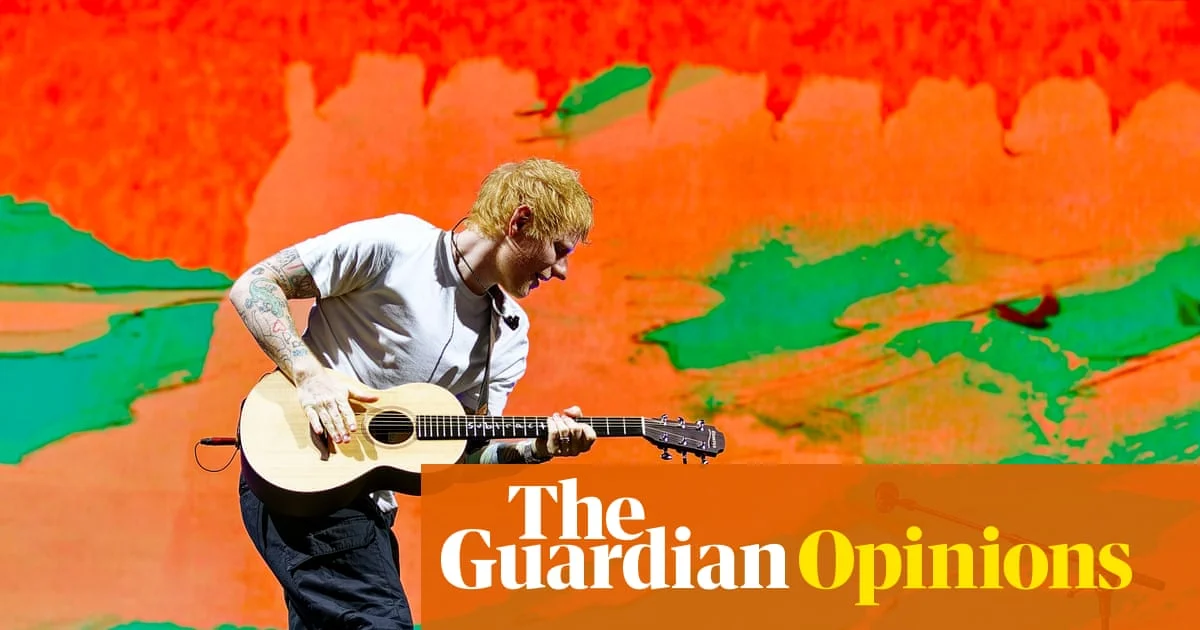
Ed Sheeran’s effort to remain neutral on political issues has instead made him the focal point of a heated debate among musicians and activists. Since rapper Macklemore was removed as a support act on Sheeran’s ongoing tour, every other opening act has withdrawn in protest, turning his stance into one of the most prominent arts-related controversies of the year.
The situation highlights how artists are increasingly pressed to take public positions on global conflicts, with Sheeran’s fence-sitting now placing him at odds with performers who argue that silence amounts to complicity.
KEY FACTS:
- Support acts began pulling out after Macklemore was dropped from Sheeran’s tour.
- Finneas O’Connell cited solidarity with Palestine as reason for exit.
- Aaron Rowe criticized the silencing of voices by powerful figures.
- Beoga, Sheeran’s backing band, announced their departure.
- Lukas Graham called for open discussion of war and civilian casualties.
What Happens Next for Sheeran and His Tour?
The fallout from the support act withdrawals continues to unfold. With multiple high-profile artists stepping away, Sheeran’s team faces mounting pressure to address the growing controversy directly. So far, no official statement from Sheeran or his representatives has been released, but the situation is rapidly reshaping the narrative around his brand and upcoming performances.
This development echoes broader patterns in the entertainment industry, where musicians are frequently challenged to respond publicly to geopolitical events. While some view such engagement as essential, others see it as an intrusion into personal expression.
Who Is Affected by This Cultural Moment?
The ripple effects extend well beyond Sheeran’s circle. Fellow artists, fans, and venue operators are all navigating shifting expectations about artistic responsibility and political voice. The debate over whether performers should speak on global issues has intensified, especially as younger generations demand accountability from public figures.
Music venues and promoters may also face increased scrutiny over how they handle politically sensitive bookings, potentially leading to new policies that balance artistic freedom with audience sentiment.
How Did We Get Here?
The sequence began when Macklemore was dropped as a support act, triggering what appears to have become a coordinated response from other performers. Statements from departing acts emphasized themes of free speech, solidarity, and condemnation of silence during times of conflict.
Beoga, Sheeran’s longtime backing band, joined the exodus alongside international acts like Lukas Graham, whose statement notably avoided naming specific countries while condemning violence against civilians. These collective actions underscore a growing tension between artists who prioritize neutrality and those who believe public platforms carry moral obligations.
WHAT WE KNOW — AND WHAT WE DON’T
Verified by the source:
- Multiple support acts withdrew after Macklemore was dropped.
- Reasons given included solidarity with oppressed groups and criticism of silenced voices.
- Sheeran’s backing band Beoga also exited the tour.
- Lukas Graham released a statement without naming specific countries.
Still unconfirmed:
- The exact reason Macklemore was removed remains unclear.
- No formal response from Ed Sheeran or his management has been confirmed.
- Details about replacement acts or revised tour dates are not provided.
This moment reflects a wider cultural reckoning in which public figures are expected to align with global justice movements. Whether through advocacy or abstention, silence is increasingly interpreted as a choice—and often, a contested one.
The story is still developing, with no clear resolution in sight. How Sheeran responds, if at all, and whether more artists follow suit will likely influence future conversations about art, politics, and accountability.