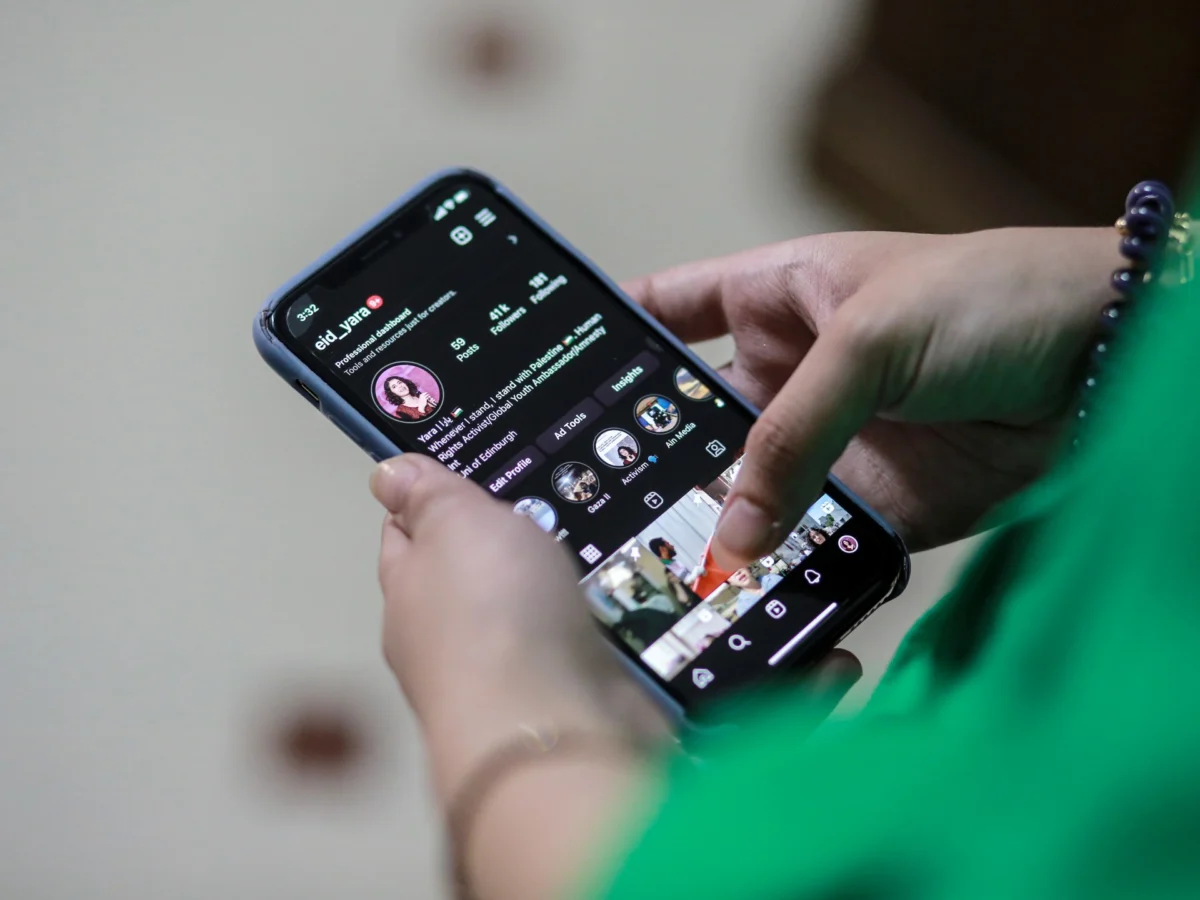
In Gaza, the fight for visibility is intensifying, raising urgent questions about who decides which truths survive amid ongoing conflict. The term ‘echoicide’ — the deliberate silencing or distortion of truth — captures how information warfare has become as critical as physical warfare. From Gaza to the digital age, visibility has become one of the central political struggles of modern conflicts, determining not only what is seen but also how it is remembered.
This struggle reflects broader global tensions where misinformation, media control, and technological manipulation influence public understanding. As narratives compete across platforms, the line between fact and fiction blurs, leaving audiences struggling to discern reliable sources. The stakes are especially high in regions like Gaza, where access to independent reporting remains limited and competing accounts often reflect deeper ideological divides.
Key Facts
- Visibility has become a central political struggle in modern conflicts.
- The concept of ‘echoicide’ highlights efforts to suppress or distort truths.
- Gaza is identified as a key site where control over information is contested.
- Digital age dynamics amplify challenges in determining which truths survive.
- The article examines how competing narratives shape public perception.
Who Is Affected?
In conflict zones such as Gaza, civilians, journalists, and humanitarian workers are among those most affected by information suppression. When certain truths are obscured or misrepresented, aid efforts may falter, international responses can be delayed, and accountability becomes harder to enforce. Meanwhile, global audiences consuming news through filtered lenses risk forming opinions based on incomplete or biased portrayals, underscoring the importance of transparent and verified reporting.
Understanding echoicide involves recognizing tactics used to silence dissenting voices, manipulate evidence, or rewrite history post-conflict. These strategies erode trust in institutions tasked with safeguarding facts, including press organizations and human rights groups. For societies emerging from violence, rebuilding credibility requires deliberate investment in open dialogue and evidence-based documentation — processes that demand protection from further distortion or erasure.
How Did We Get Here?
The roots of today’s information wars trace back decades, but advancements in digital technology have accelerated their impact. Social media algorithms now amplify emotionally charged content regardless of accuracy, while state actors exploit these tools to spread disinformation at scale. In Gaza specifically, restricted press freedom and limited internet infrastructure complicate independent verification of events, giving rise to allegations of bias on multiple sides involved in shaping the narrative landscape.
As conflicts evolve beyond traditional battlefields into cyberspace and consciousness itself, the responsibility falls on media outlets, citizens, and policymakers alike to prioritize truthfulness above convenience or ideology. Without robust mechanisms ensuring transparency and access to reliable sources, future generations will inherit a world where objective reality grows increasingly difficult to establish — threatening democratic norms built upon informed civic participation.
What We Know — and What We Don’t
Verified by the source:
- The article discusses the role of visibility in modern conflicts, particularly in Gaza.
- It introduces and explains the term ‘echoicide’ as related to truth suppression.
- It notes the influence of digital-age dynamics on narrative control.
Still unconfirmed:
- Specific incidents or figures illustrating echoicide in Gaza.
- Names of individuals or entities accused of distorting information.
- Exact methods employed to manipulate public perception in real time.
Why It Matters
The ability to distinguish truth from falsehood underpins healthy democracies and effective peacebuilding. When truths are suppressed or distorted, the consequences extend far beyond immediate conflicts, influencing international law, reparations, and reconciliation efforts long after hostilities end.
What To Watch
Independent monitoring bodies and investigative journalists continue to report on developments affecting press freedoms and information integrity in Gaza and similar contexts. Updates from credible news organizations and verified documentation projects will offer clearer insights into evolving patterns of echoicide and resistance to it.